Due Apr 17
Excursion to Salem and PEM
Getting There: Arrive at North Station by 9:00 am to board the 9:15 am commuter rail train. Once you arrive at the Salem station, It’s a 10-minute walk to the Peabody Essex Museum.
Returning to Boston: Train from Salem in the midafternoon; trains depart for Boston’s North Station at 1:24pm, then every 30 minutes from 2:24pm to 4:24.
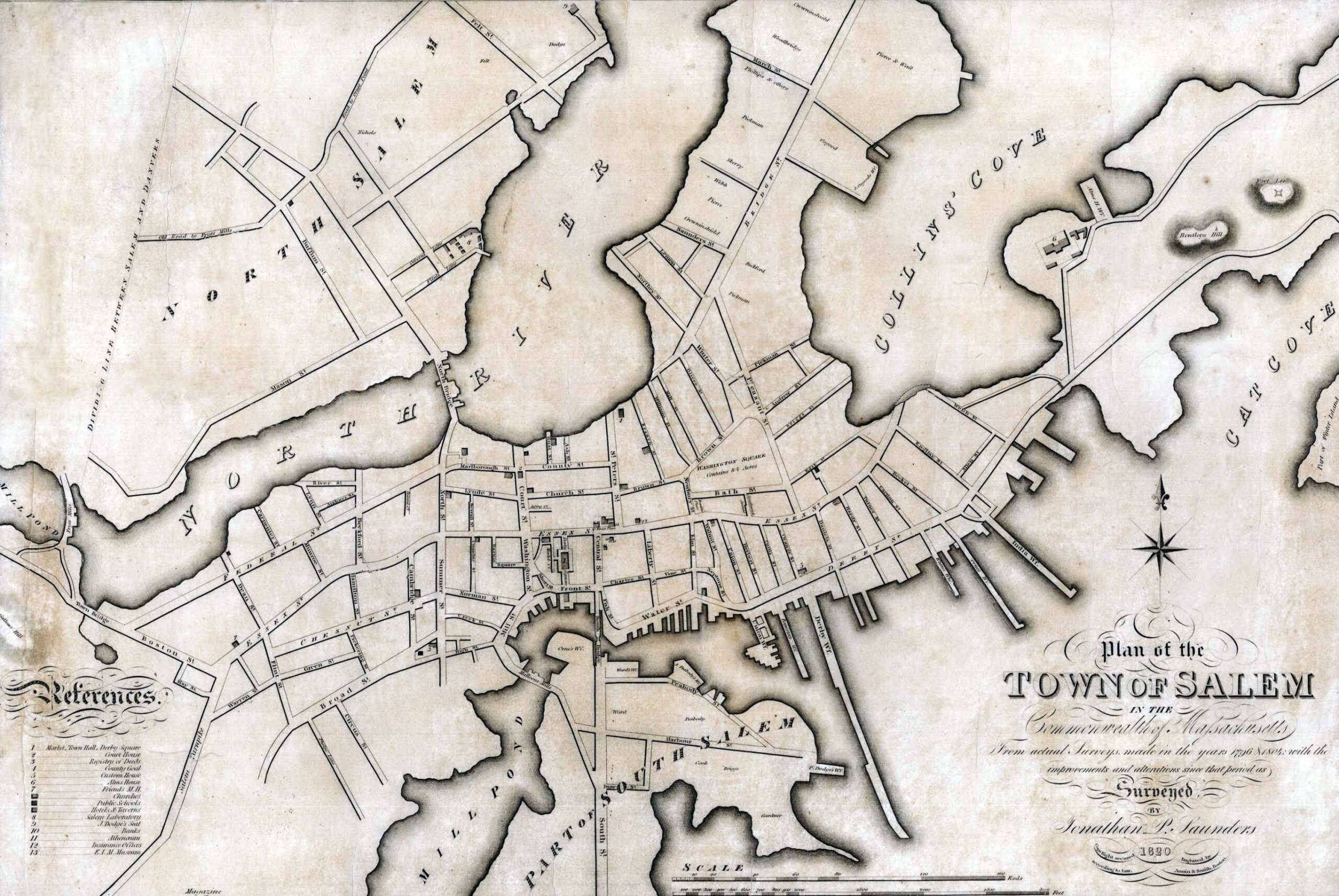 Salem was settled in 1626, just six years after the Pilgrims landed in Plymouth. The first inhabitants were fishermen from nearby Cape Ann, but these “Old Planters” were soon joined by “New Planters,” highly devout Puritans who named the settlement after the city ruled by Melchizedek in Genesis.
Today Salem is famed for the Witch Trials of 1692-93, a period of communal hysteria during which over 200 people were accused, 30 found guilty, and 19 executed. The frenzy began in Salem Village (now the town of Danvers), but the trials took place in Salem town and drew in people from several surrounding settlements—as well as the prominent Boston minister Increase Mather. Memorialized in Hawthorne’s Scarlet Letter as well as Arthur Miller’s play The Crucible, the Salem Witch Trials continue to resonate today, as we witnessed in the play John Proctor is the Villain.
A second major focus of our trip is foreign trade. After the American Revolution freed Americans from trade restrictions that had been imposed by the British Crown, Salem’s merchants established relations with traders in Turkey, China, Japan and elsewhere in Asia. In addition to Salem harbor, we will tour the Peabody-Essex Museum, which hosts a marvelous collection of treasures purchased by merchant families in Salem, Boston and elsewhere in New England. Recommended reading: “New England’s Opium Overlords.”
On the morning of the trip, take a moment to read over the prompt for the Team G interdisciplinary reflection, so you arrive in Salem with eyes and ears open for objects and ideas you might draw upon in that reflection.