Due Apr 1
Baroque Art: Embracing Passion
Reading: Strickland 46-57.
Viewing:
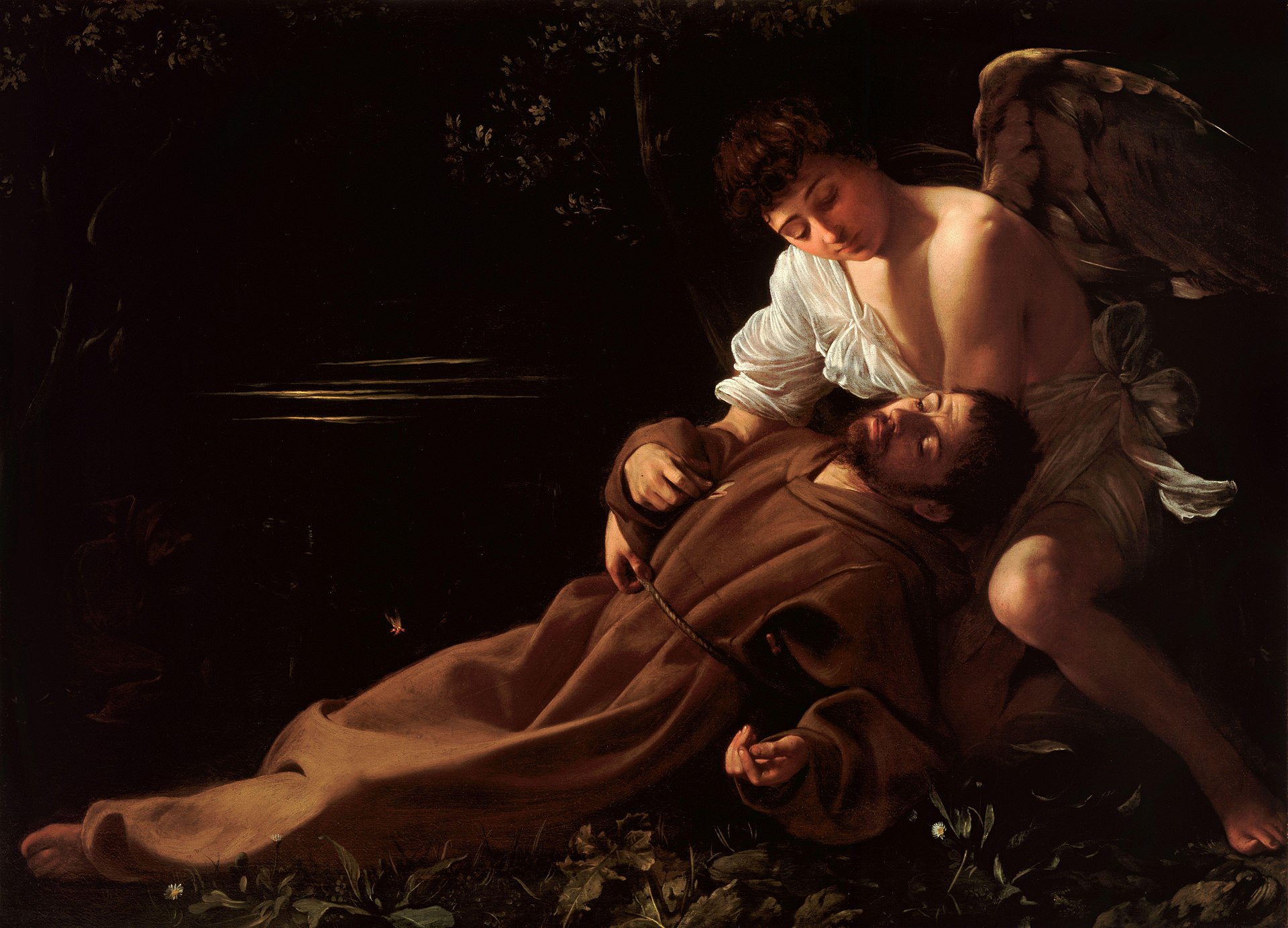
- Caravaggio, Saint Francis of Assisi in Ecstasy (Rome, 1595)
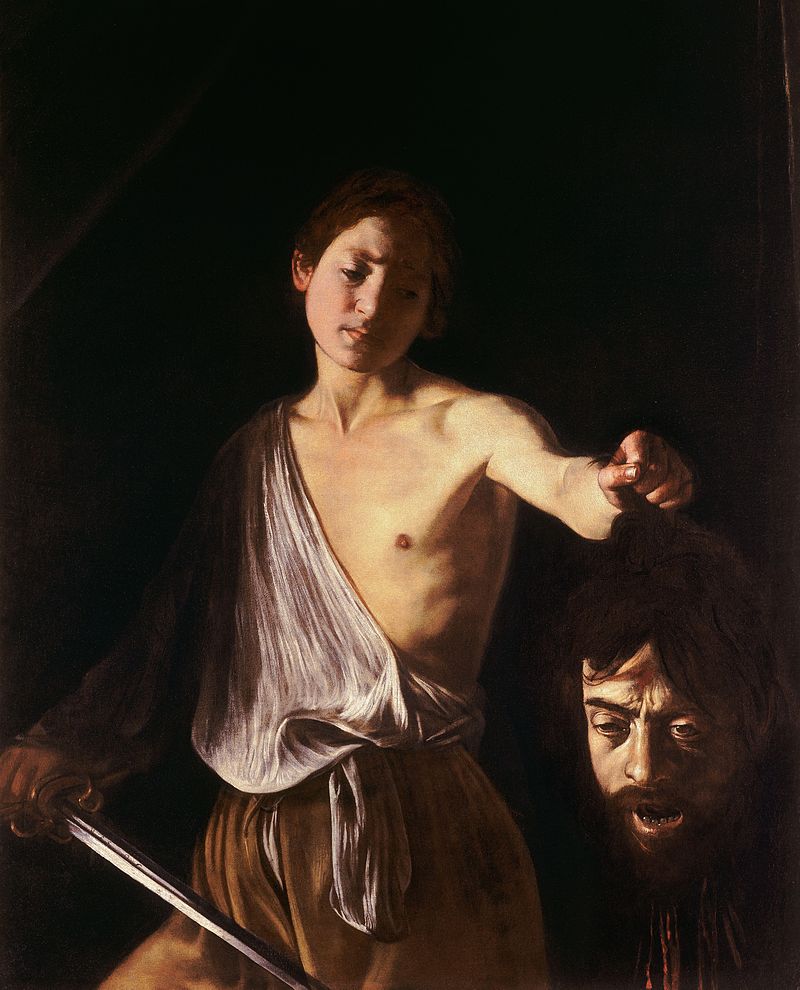
- Caravaggio, David with the Head of Goliath (Rome, 1610)
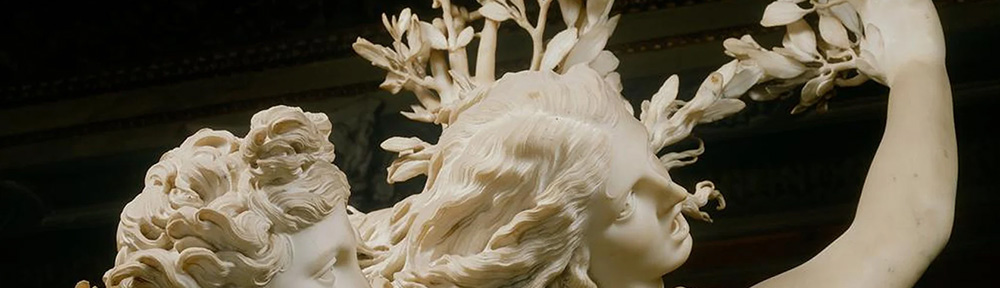
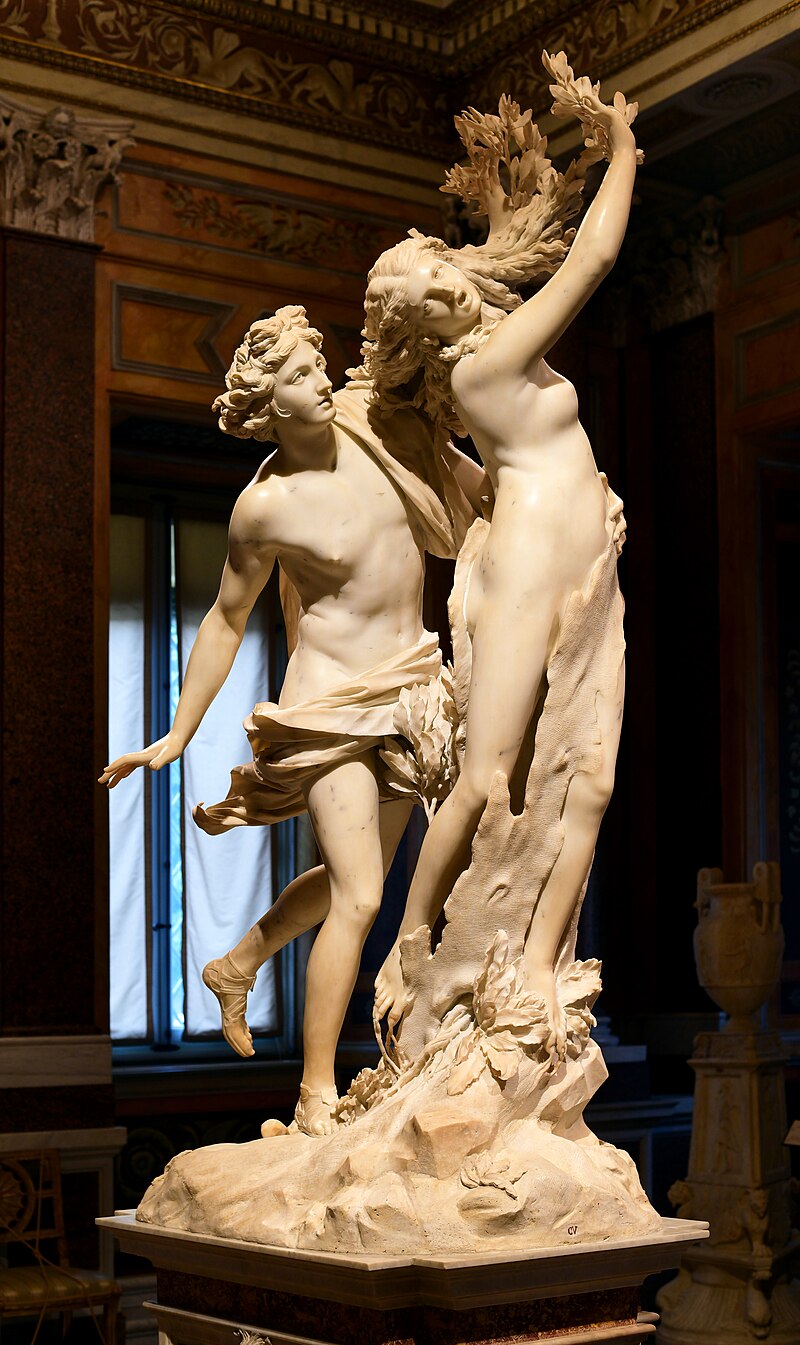
- Bernini, Apollo and Daphne (Rome, 1625)
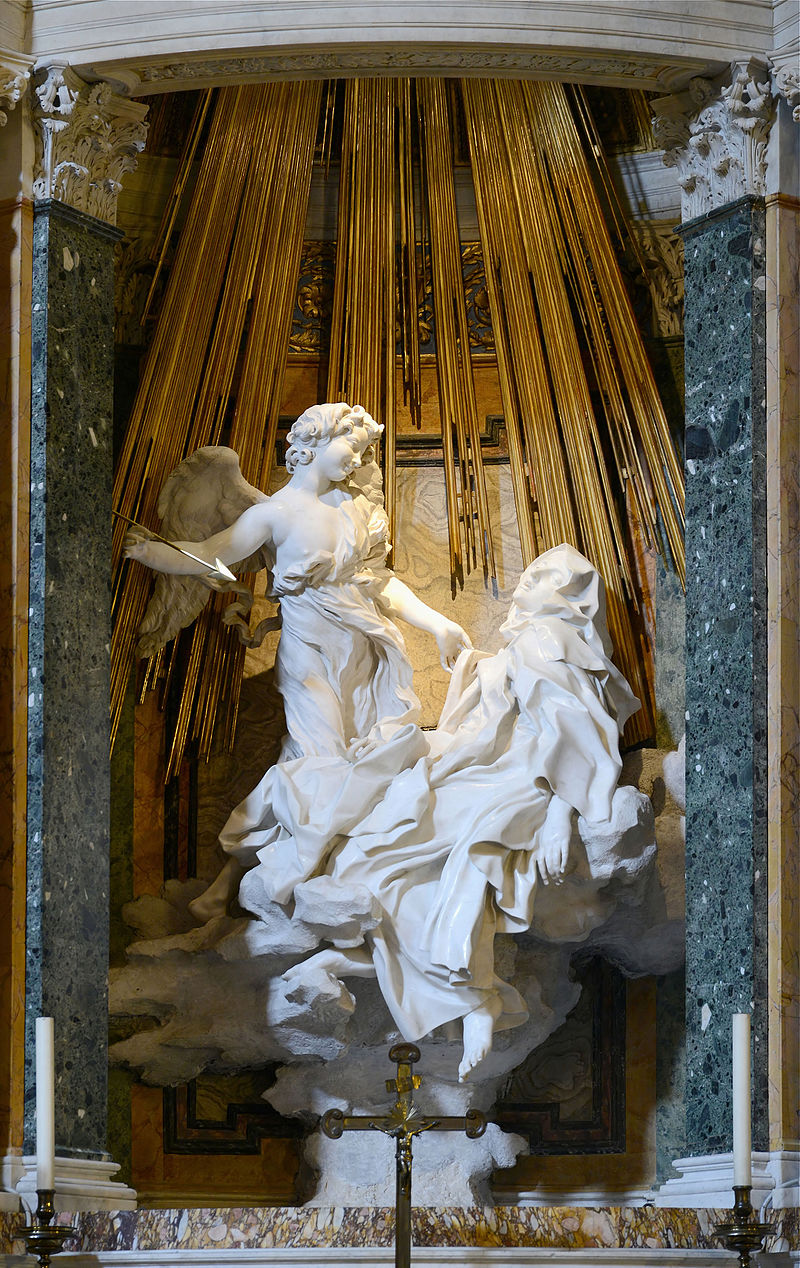
- Bernini, The Ecstasy of Saint Teresa (Rome, 1652)
Writing: Respond to ONE of the following prompts:
- Focus our attention on a compelling detail from one of the artworks above, and comment on what makes it appealing.
- Based on your reading in Strickland or elsewhere, post the image of a Baroque artwork and (briefly) make the case for why it should be included on today’s assignment.
Compelling Details
⤹Click the reply button just below.
In Caravaggio’s David with the Head of Goliath, I find David’s expression very interesting. Instead of looking proud or accomplished for slaying Goliath, holding the head like a trophy, David looks at the head with sadness. He is not relishing in his victory against the giant but devastated he had to kill him. I am also interested in the lack of blood or wounds on David, implying Goliath didn’t put up much of a fight. Overall, the painting differs greatly from other works that portray similar stories, offering a nuanced perspective that contrasts other artworks that glorify violence.
I agree with your point, and another detail that stood out was Goliath’s face, which looks almost human and expressive rather than just a defeated enemy. That makes the moment feel more personal, like David is confronting the reality of taking a life rather than just defeating a monster. You can also notice how plain and dark the background is, which removes the sense of celebration and keeps focus on this quiet, heavy moment. Together, these details make the scene feel more reflective than heroic, adding to your idea that the painting avoids glorifying violence.
Regarding the artwork, “Saint Francis of Assisi in Ecstasy” by Caravaggio, what I find most compelling is the lighting in the artwork, or at least how Assisi incorporated the illusion of lighting. I say this because the overall atmosphere of the painting is very dark, with heavy use of dark browns, greens, and very little light emanating from the mid/left area of the painting (the area where the downtrodden man lay). This lack of brightness enhances negativity of the painting and promotes a feeling of angst and uncertainty as you view the man lying. However, as you pan over to the angel in the right of the frame, you can see how he himself is illuminated and how light flows directly from his body to that of the lay man and the surrounding area. This pure, aura of blessing proves the angel to be a beacon of hope in this otherwise bleak painting.
I agree with your point about the lighting and the angel and wanted to expand it a bit more. The lack of lighting also creates a lack of setting for the painting- there is no landscape, no sense of place, no recognizable world. I find this to be an intentional artistic choice to make the piece more universal. The lack of setting allows the viewer, no matter who they are, to relate to the situation in the piece and make it easier for the viewer to imagine this happening to them. Without being oriented by the painting’s environment, the viewer is kind of forced to look inward in some way and I think that’s intentional on Caravaggio’s part.
In the piece concerning Bernini, Apollo and Daphne (Rome, 1625) an interesting detail was the drapery. Typically, marble artworks in this timeframe utilized cloth to outline the body, or establish themes of dignity around the figure, but in this case it was used to represent motion. The fabric isn’t just hanging down, it’s blowing backwards, showing Apollo’s quick movements towards Daphne. It adds weight to the scene because it’s not just two figures in close proximity to each other anymore, it accurately captures the scene and movement that was occurring as Daphne transformed.
I agree with this point, and another detail that stood out to me was the contrast between their hands. Apollo’s grasp is firm and physical, while Daphne’s transforming hands appear almost weightless and untouchable. I believe that it shows how Apollo was trying to hold on to whatever was left of Daphne before it was too late.
I agree with your point, the fabric being used to represent motion adds a sense of movement and fluidity to the pieces. The distinction between fabric being used to add outline to a body vs being used to show Apollos movement certainly adds weight to the scene and captures the action/movement occurring at that point in time.
In Bernini, Apollo and Daphne (Rome, 1625), Daphnes hands turn into leaves which is something I find striking. Bernini makes the marble look soft and alive which captures that exact moment of transformation. This is appealing because it makes the viewer feel as the change is happening in real time which adds movement and emotion to the scene of the work.
Baroque artworks to add
⤹Click the reply button just below.