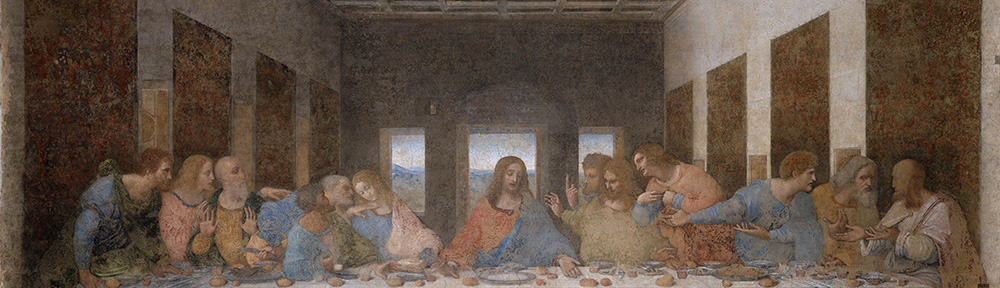
Due Feb 27
Christianity: a brief introduction
Many of you have read the Christian Gospels before, and all of you have at least some familiarity with Christian beliefs and tradition. So we’re spending just a single day on this vital topic, and I aim to focus on lesser-known aspects of the origin of this vital world religion. Please email me with any follow-up questions—or raise your hand in class!
Reading: selections from the New Testament, as translated by Richmond Lattimore (Blackboard: Christian Scripture.pdf).
Viewing: Christian Funerary Art from the Roman Catacombs.
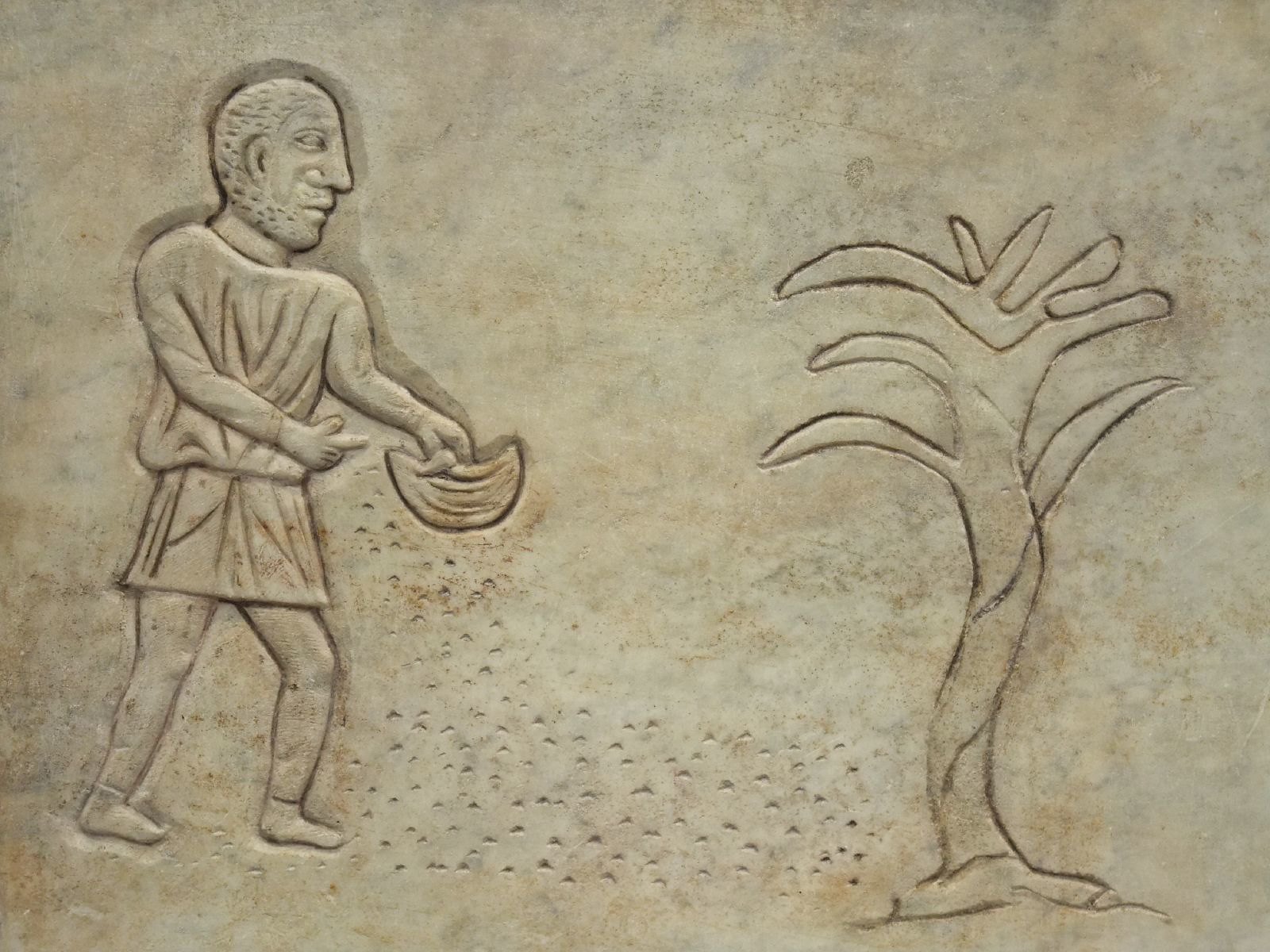
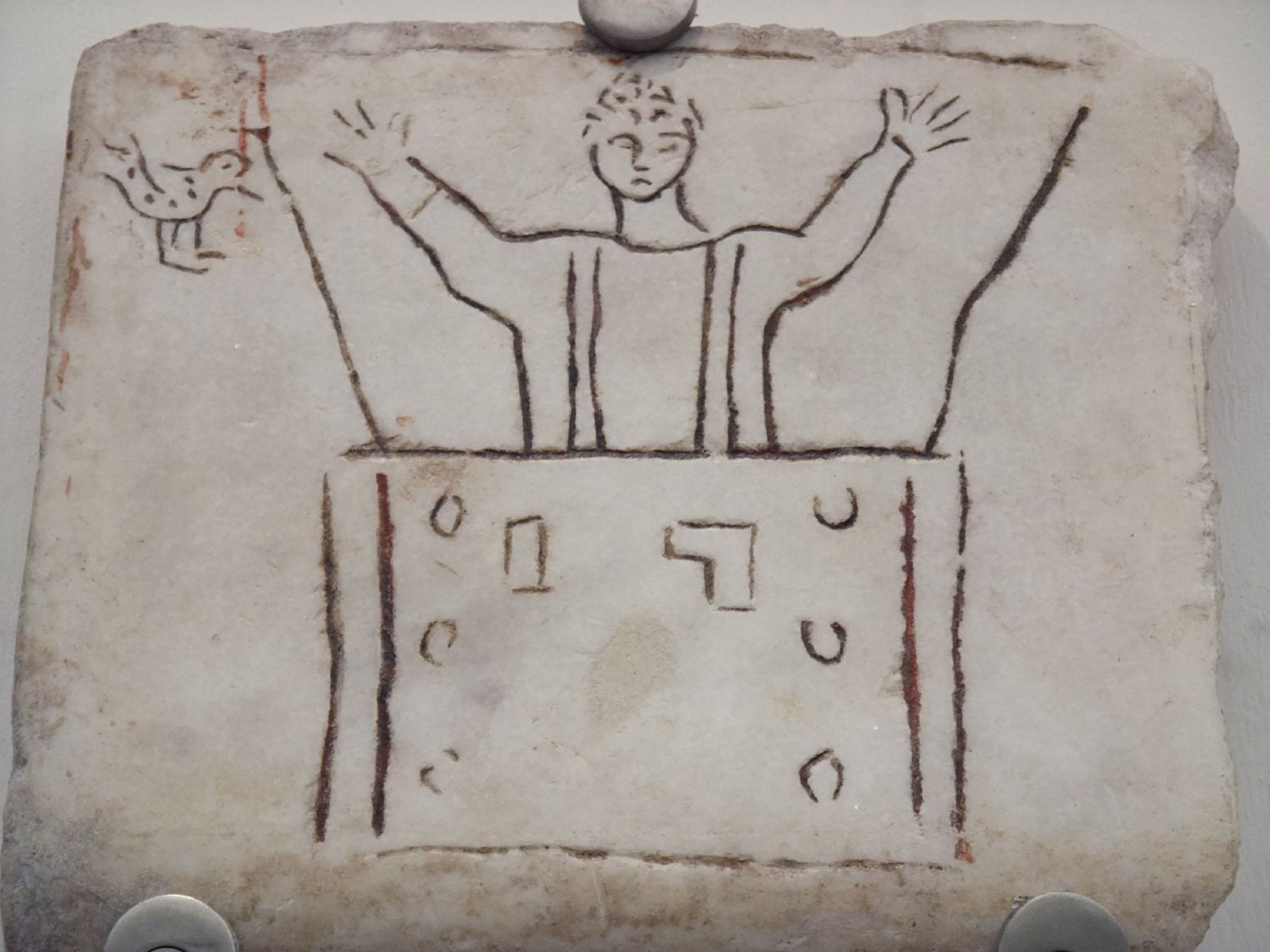
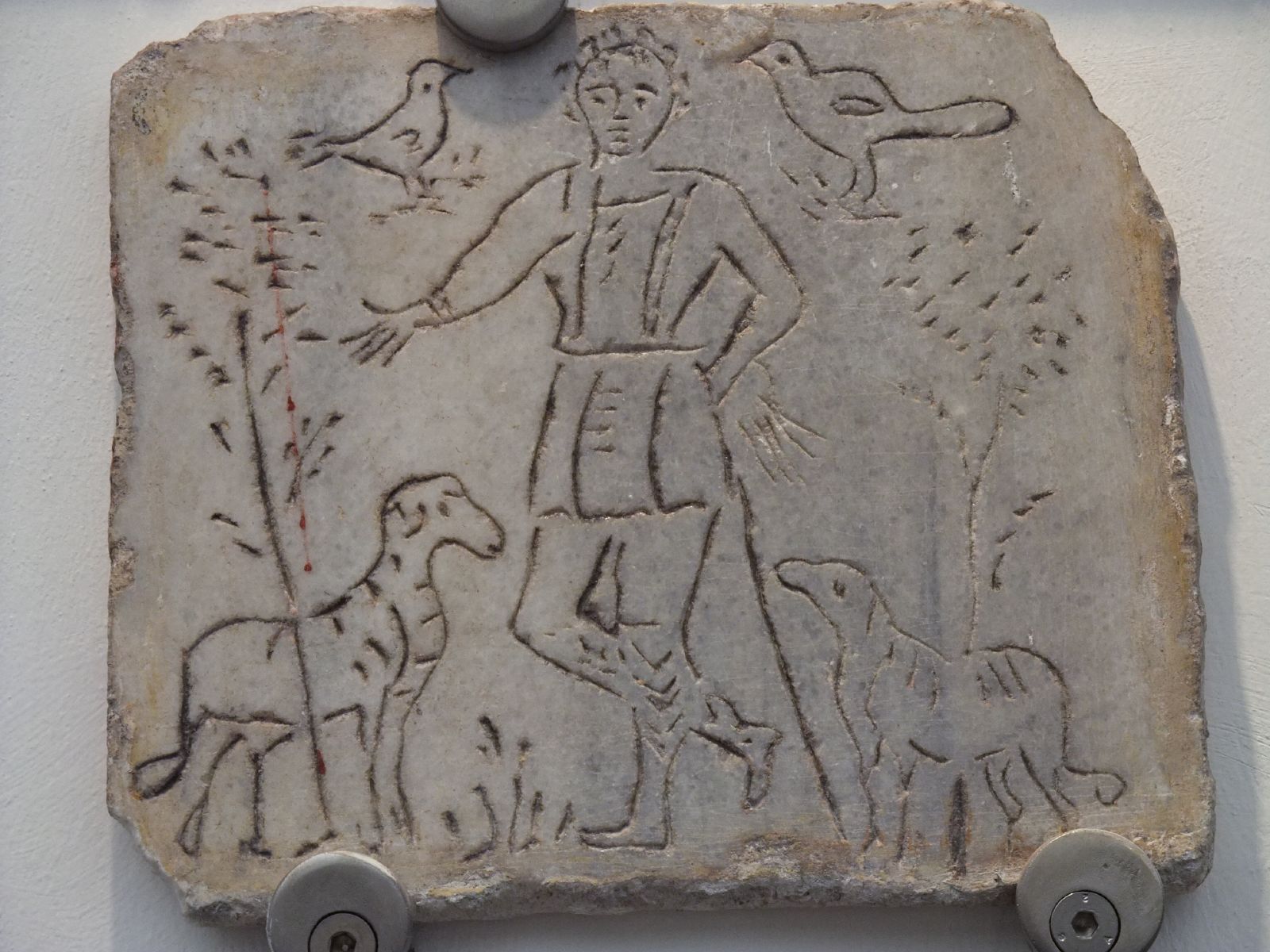

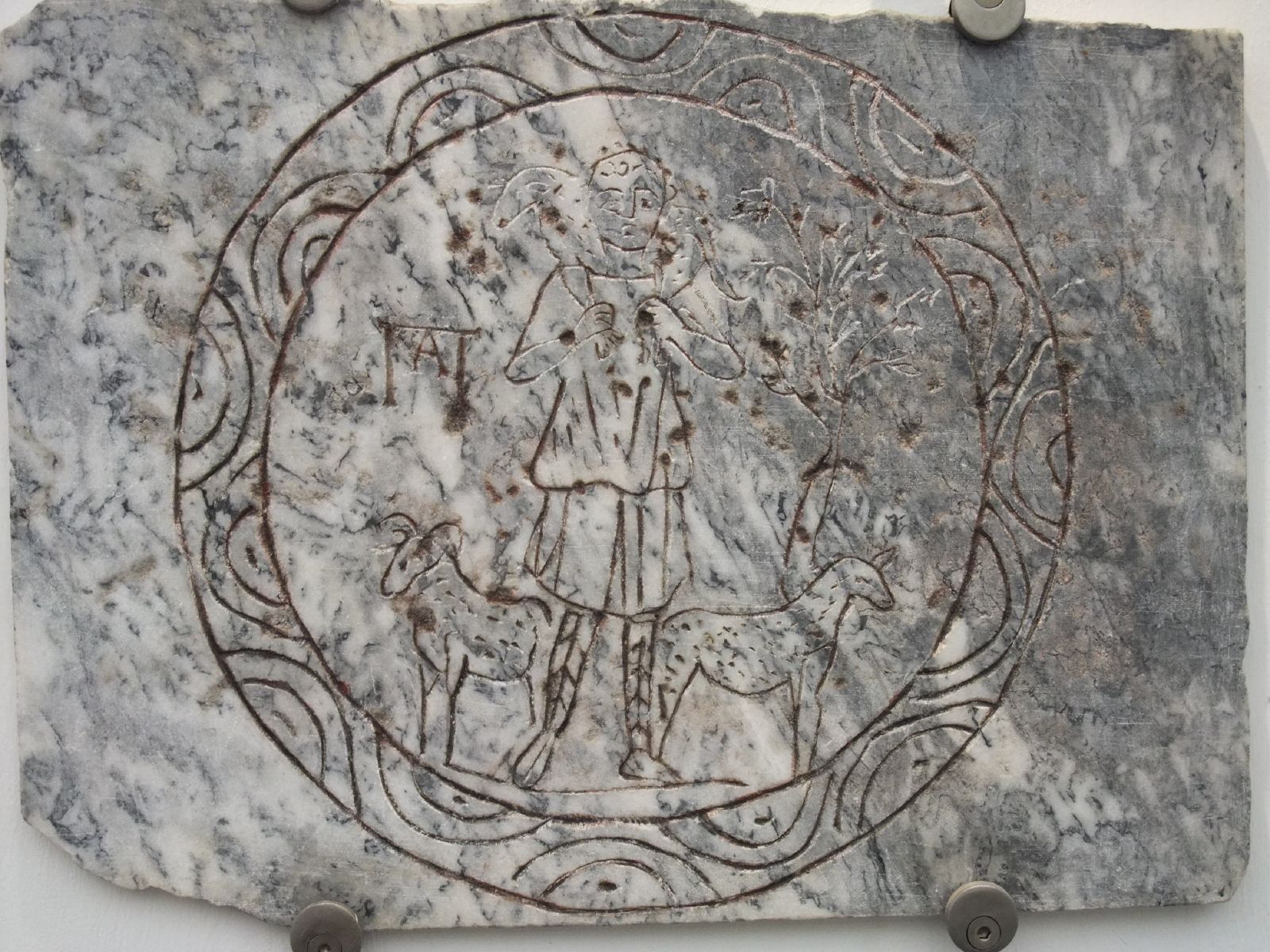
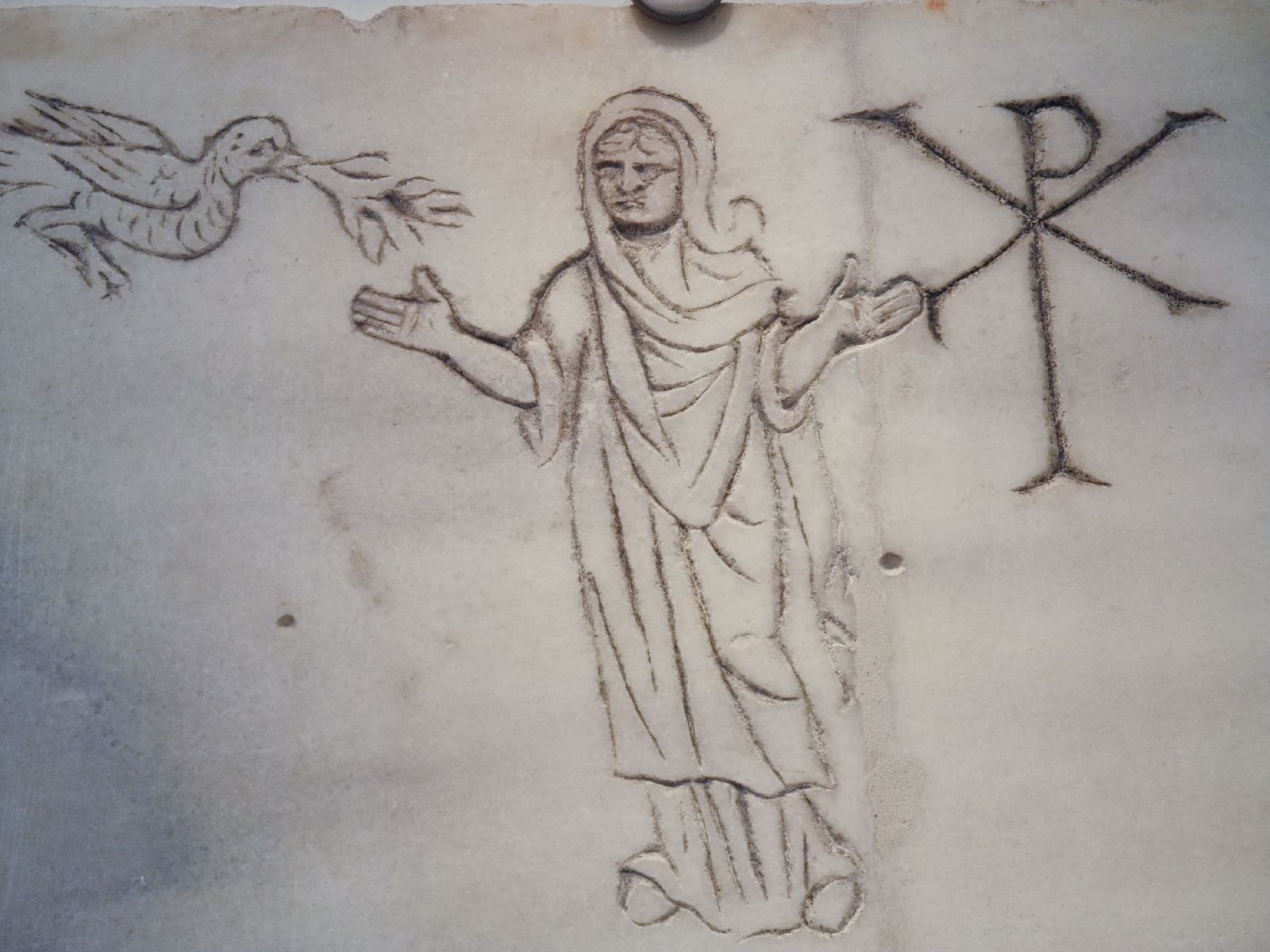
(Credit: Mary Harrsch at the Museo Nazionale Romano in the Baths of Diocletian, Rome: link)
Writing: Respond to ONE of the following prompts. Keep your response short, posting as a reply under the appropriate heading in the comments section:
- Identify and comment on a repeated motif from the reading: for example, healing or feeding. Don’t just name the pattern, but focus attention on the details: if healing, who is healed and how? if feeding, who is fed and how?
- Jesus often presents his teaching in the form of “parables.” Apply what you’ve learned in Rhetoric to explain (or perhaps question) the effectiveness of one of the parables the reading.
- Name one of your preconceptions about Christianity and explain how it was challenged by something in today’s reading.
Repeated Motifs
⤹Click the reply button just below.
A common motif in these passages is an “upward movement” or an “ascent to high places”. Many spiritual revelations occur when Jesus or his disciples transition to higher vantage points or locations. For example, in the sermon on the mount, he “went up onto the mountain” (1), before delivering his impactful gospel speech. Additionally, he doesn’t just travel to a given location, he went on “a journey up to Jerusalem” (5). When Jesus “ascends” to heaven he’s entering a higher plane, and Peter “went up to the roof to pray” (14). This repetition of elevation emphasizes that characters must both physically and metaphorically rise up to an elevation above others to receive revelations or spiritual clarity. Being in higher places contains physical implications that extend to being at the intersection between Heaven and Earth, which could be an additional reason it’s repeatedly referenced.
A repeated motif that I noticed when reading the scripture was that lowering yourself, and acting in meekness throughout life is what will allow you to be blessed with divinity at the end of your life. This first appears in the text when Jesus states, “Blessed are they who sorrow, because they shall be comforted. Blessed are the gentle, because they shall inherit the earth” (Lattimore 1). Jesus spoke this to his disciples after his journey to Galilee in which he healed the sick and needy. Again, this motif shows itself again when Jesus was speaking to the Pharisees regarding the Sabbath. He says, ” Then you will have dignity in the sight of all your fellow guests; because everyone who exalts himself will be humbled, and he who humbles himself will be exalted.” (Lattimore 4). These two instances show how Jesus and God place an importance on us practicing humility despite any circumstance we’re entrenched in. Whether sick and desolate, or of high status and position, you should always place yourself below that of others and God. In doing this, you will be shown the grace of God and will be blessed with the Earth when he returns.
A motif that kept popping up again and again is this contrast between ascending and descending. In order to ascend, you must descend in life and act humbly. There is the story of Jesus ascending to heaven, and he has to go “up on the roof to pray” (14), which seems to be the major goal overall but then the idea of acting humbly and keeping your head down is reinforced to achieve ascension.
The Rhetoric of Parables
⤹Click the reply button just below.
In the “Parable of the Good Samaritan”(Luke 10:25–37), it is expressed how a man is beaten and left out to die on the road as two men pass by without lending a hand. A third man passes and provides care towards the injured and tends to the mans wounds. Jesus asked, “Which of these three men was a good neighbor?” The third man was the good samaritan and the story is preached with pathos, making readers and believers feel emotionally connected through words such as “wounds”, “half-dead”, etc… The parable does not shame the witnesses directly, but creates a a sense of empathy for the victim himself.
Your Preconceptions—and How the Reading Challenged Them
⤹Click the reply button just below.
A preconception I had about Christianity was the importance of individual acts of faith and spirituality. From my own personal experience with the religion, I’ve found most practicing Christians put an emphasis on their own personal relationship with God, going to church, etc., and use that as the basis for their faith. In The Gospel of Luke, chapter 14, Jesus speaks about how important it is to look out for marginalized, less-fortunate groups, highlighting how important good deeds are to being a “good” Christian.
I like your point of the importance to ba a “good” Christian. It’s interesting that Luke focuses more on social responsibility than just personal faith. In Roman times, the social classes were very strict. By telling people to help the marginalized, we could know that Jesus was challenging the whole Roman system. This shows that early Christianity wasn’t just about an “individual relationship” with God, but about building a new community that cared for everyone.
One of the preconceptions that I had about Christianity is that it’s a religion based primarily on rules and judgement. I thought this because what I often heard about the religion was framed through the lens of the afterlife and that people did things in order to be granted a spot in eternal paradise. However, when asked what’s required for eternal life, Jesus tells a story about an outsider who shows compassion and simply says, “Go on, you also, and do likewise” (Lattimore 3). Here, Jesus doesn’t recite a rulebook and instead provides a rather open-ended example emphasizing merciful action, not rule-following. By leaving the example as something that people can draw their own interpretations from, it prevents people from adhering to a strict guideline in order to reach heaven and encourages them to live life how they think it should be lived based on their faith.