G2 Class 9.1

Due Mar 20

The Sociology of Court Life

Viewing:
Portraits from the Court of Henry VIII
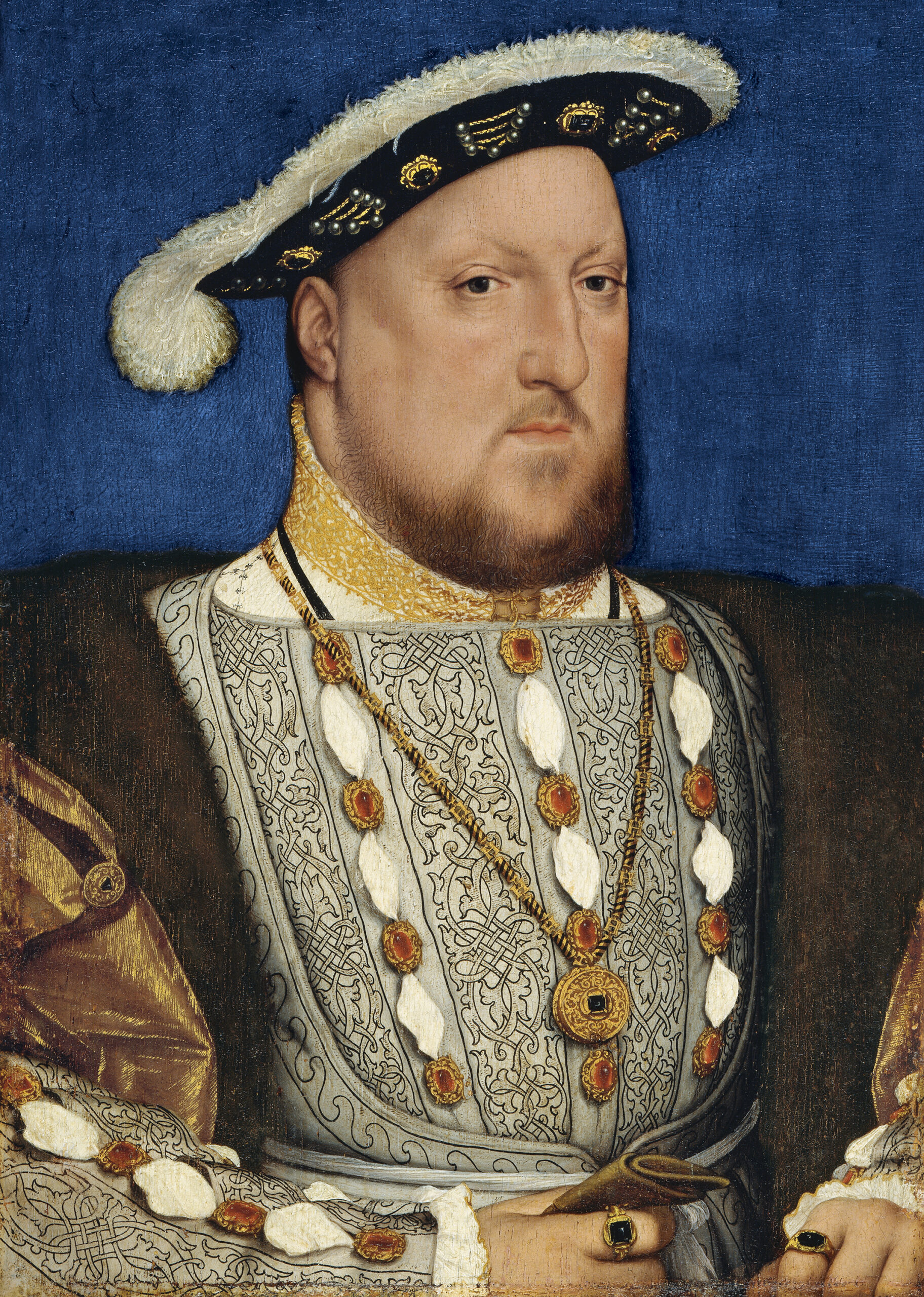
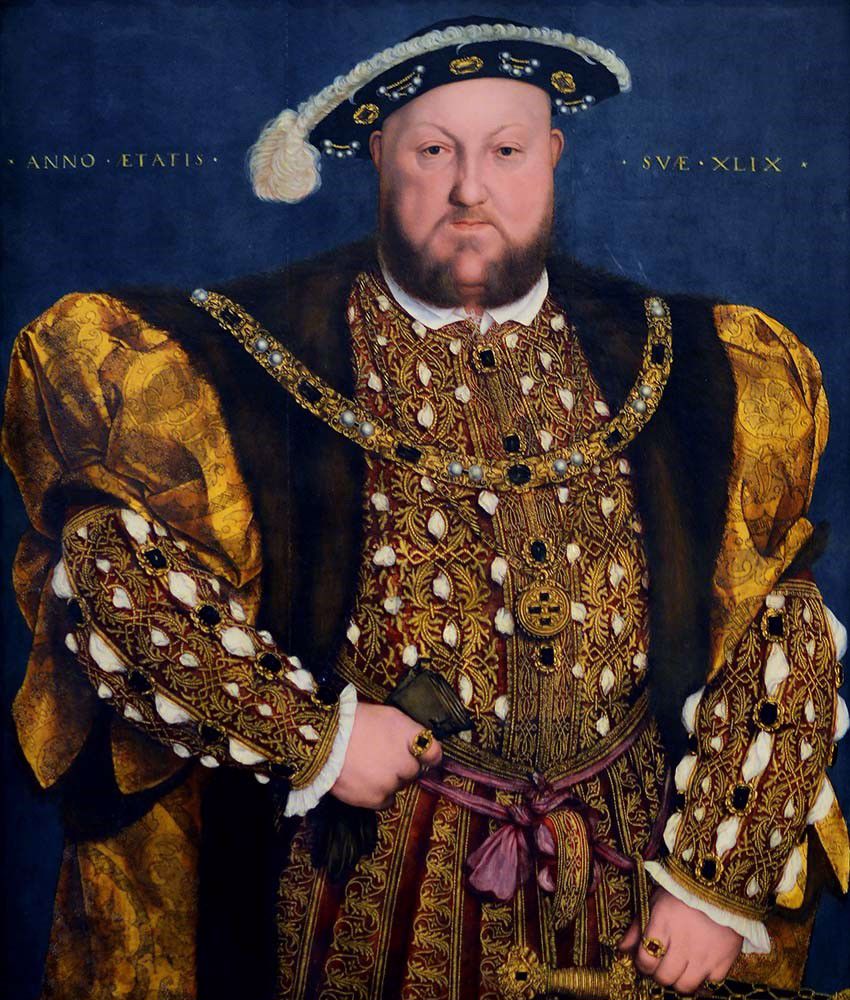
  • Hans Holbein the Younger, Henry VIII (c1534)
  • Hans Holbein the Younger, Henry VIII (1540)
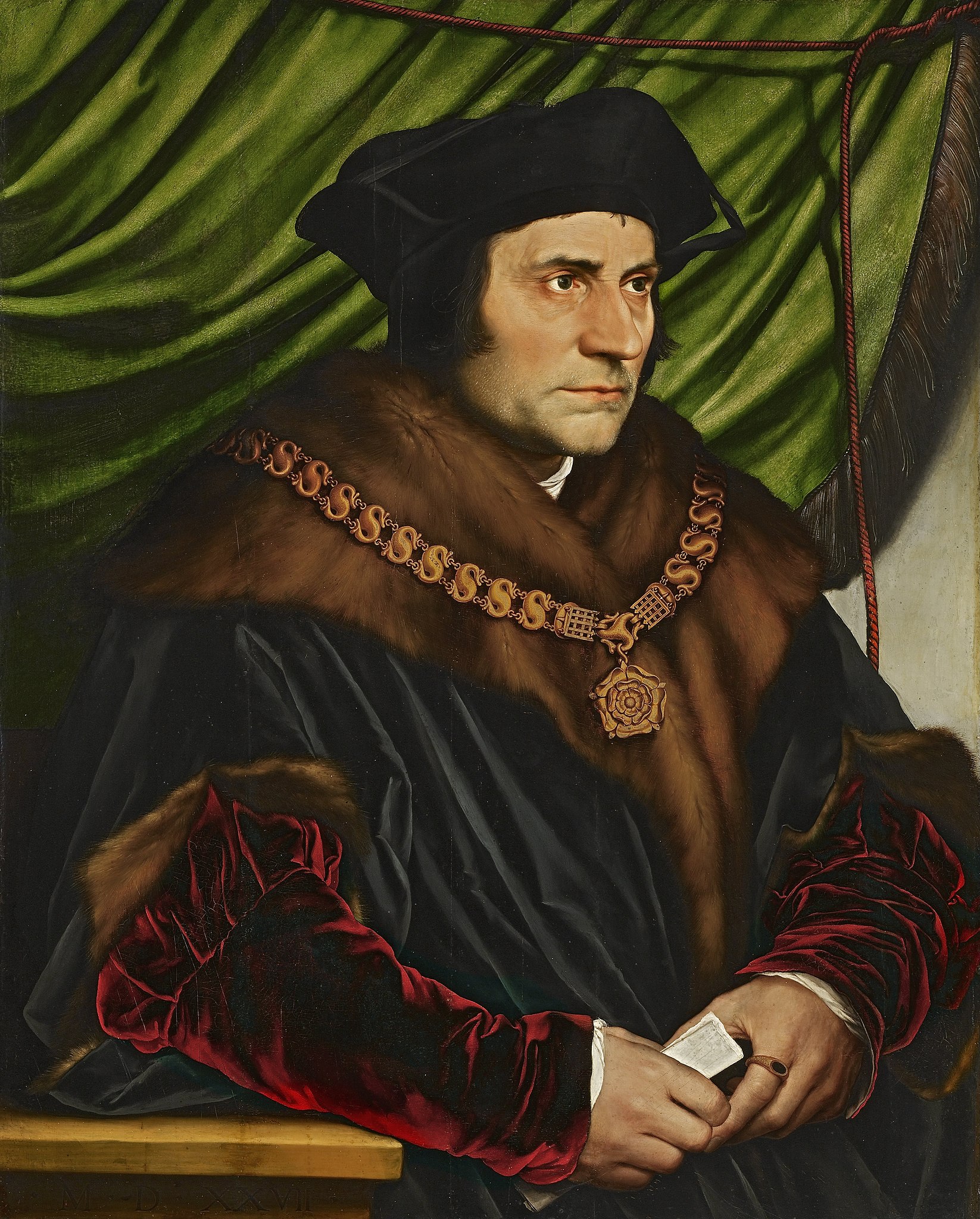
  • Hans Holbein the Younger, Thomas More (1527)
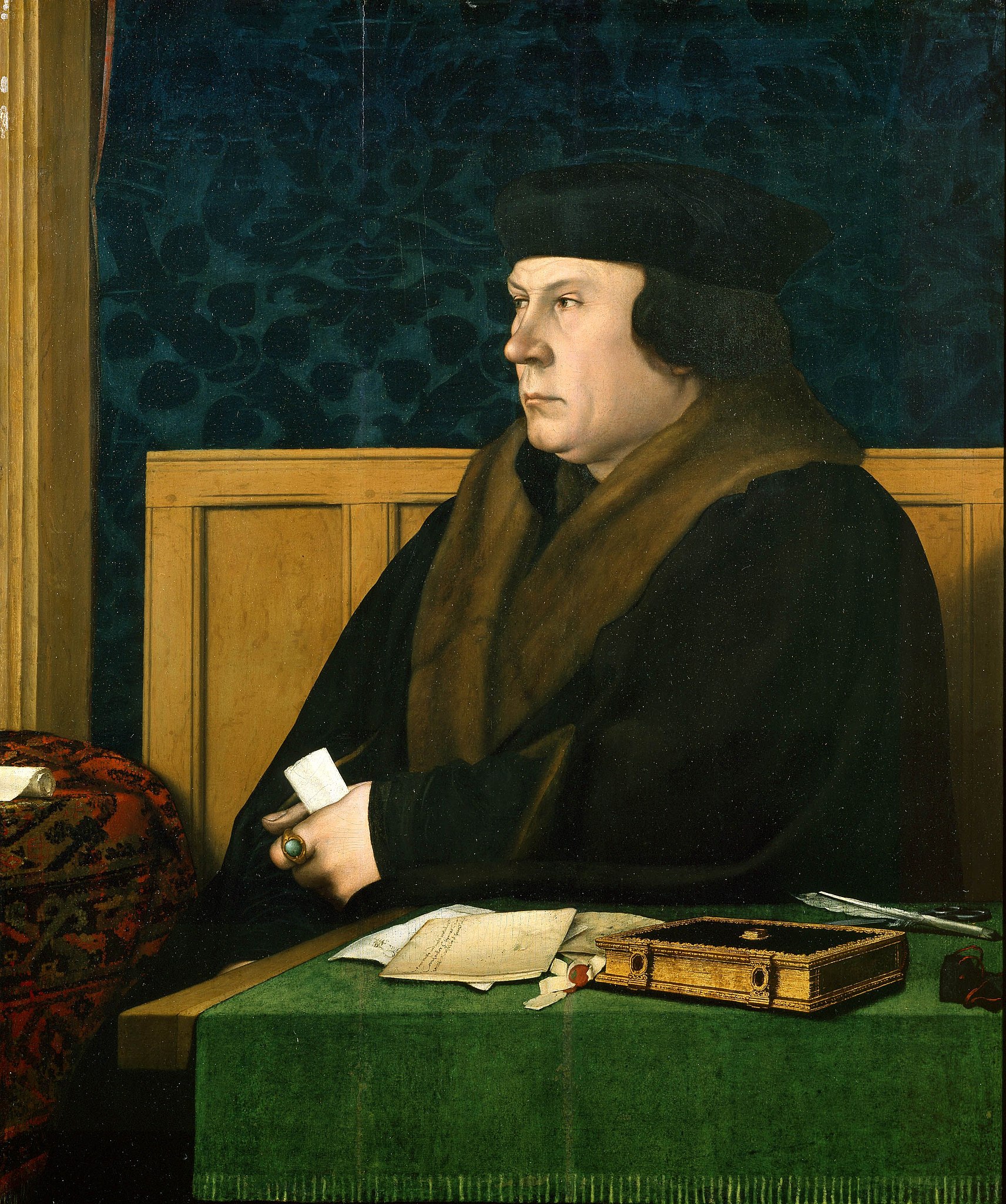
  • Hans Holbein the Younger, Thomas Cromwell (c1532)
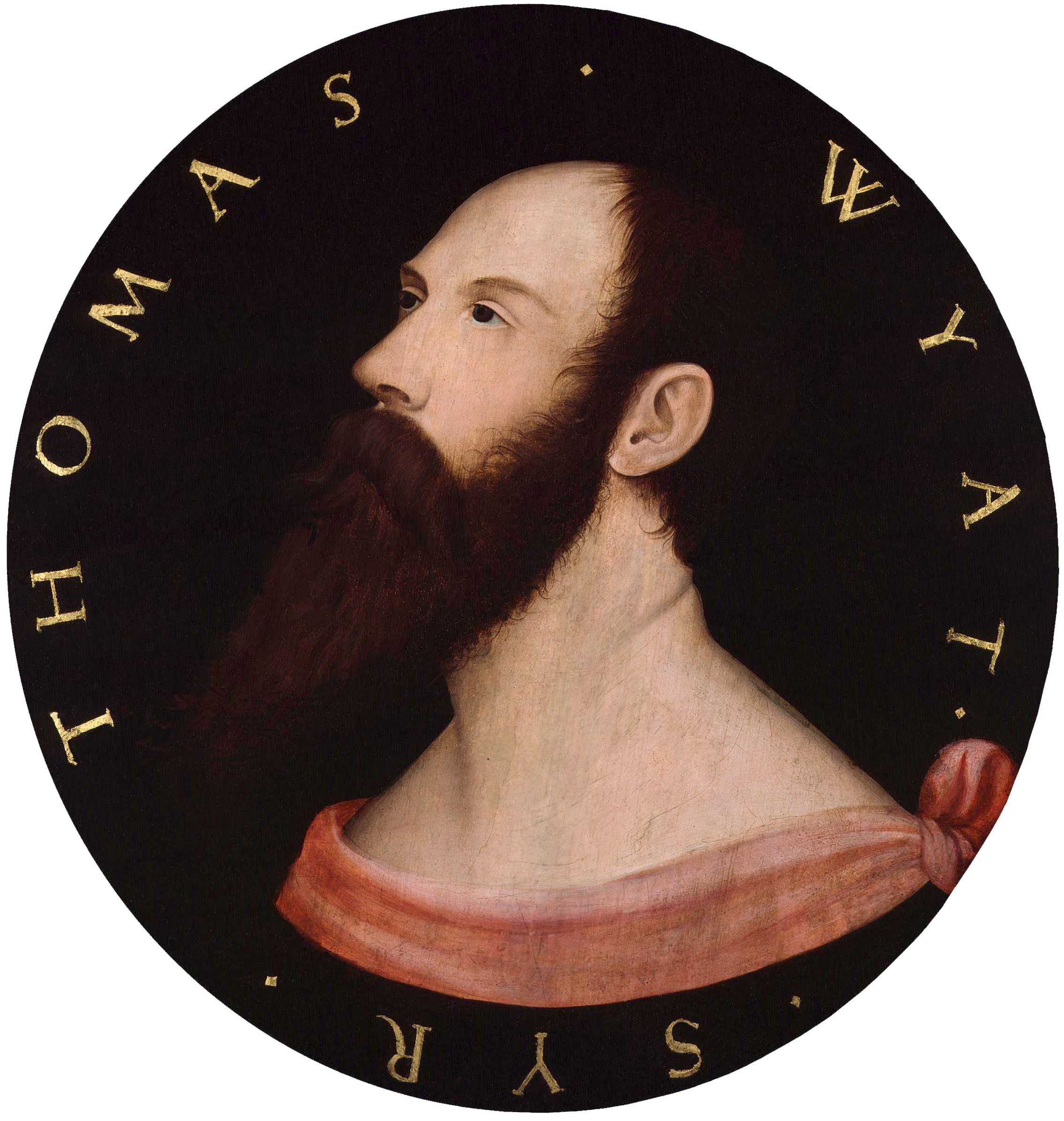
  • Unknown, after Hans Holbein the Younger, Sir Thomas Wyatt (c1540)
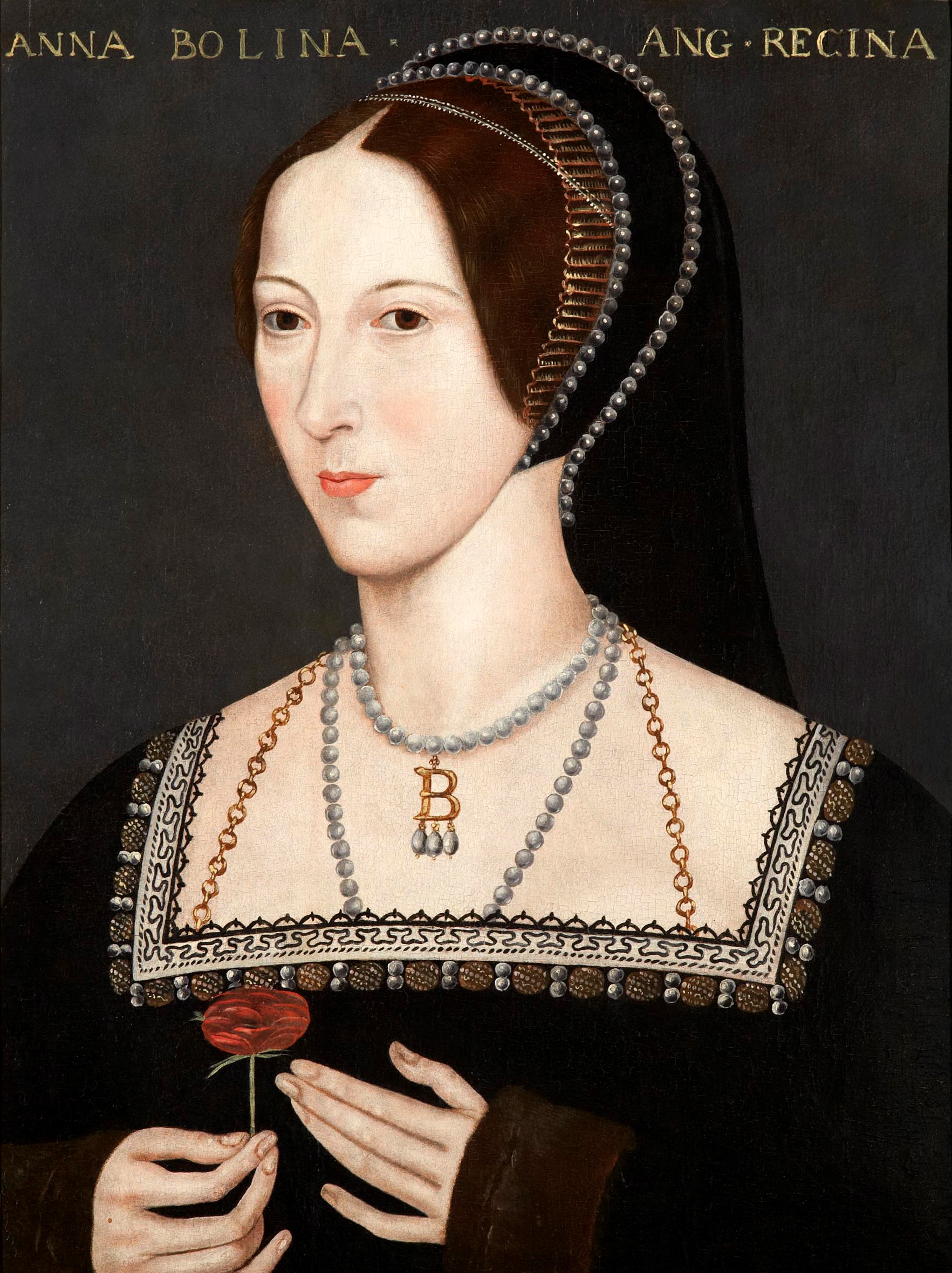
  • Unknown, 1550 copy of contemporary portrait, Anne Boleyn (c1534)
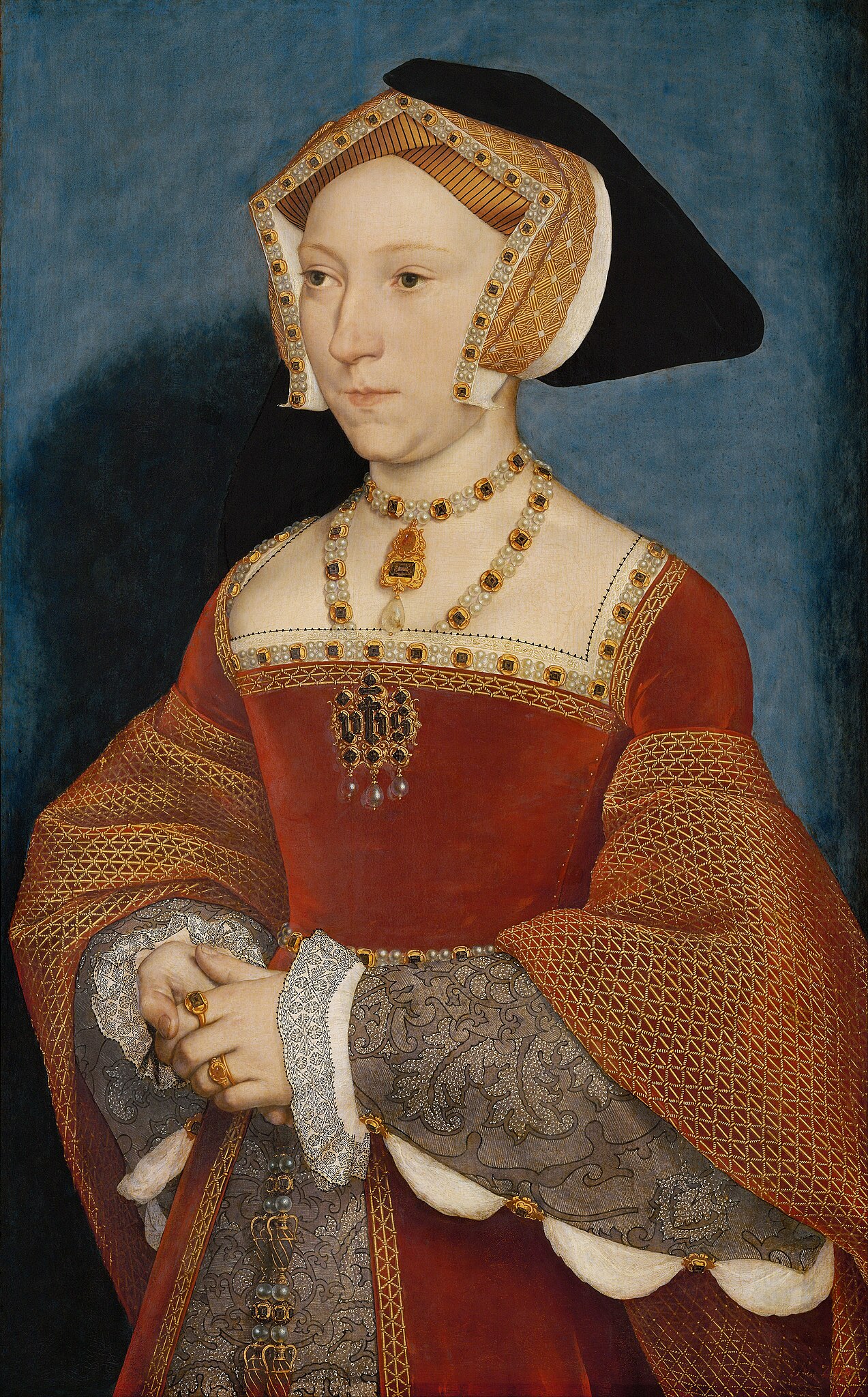
  • Hans Holbein the Younger, Jane Seymour, Queen of England (1536)
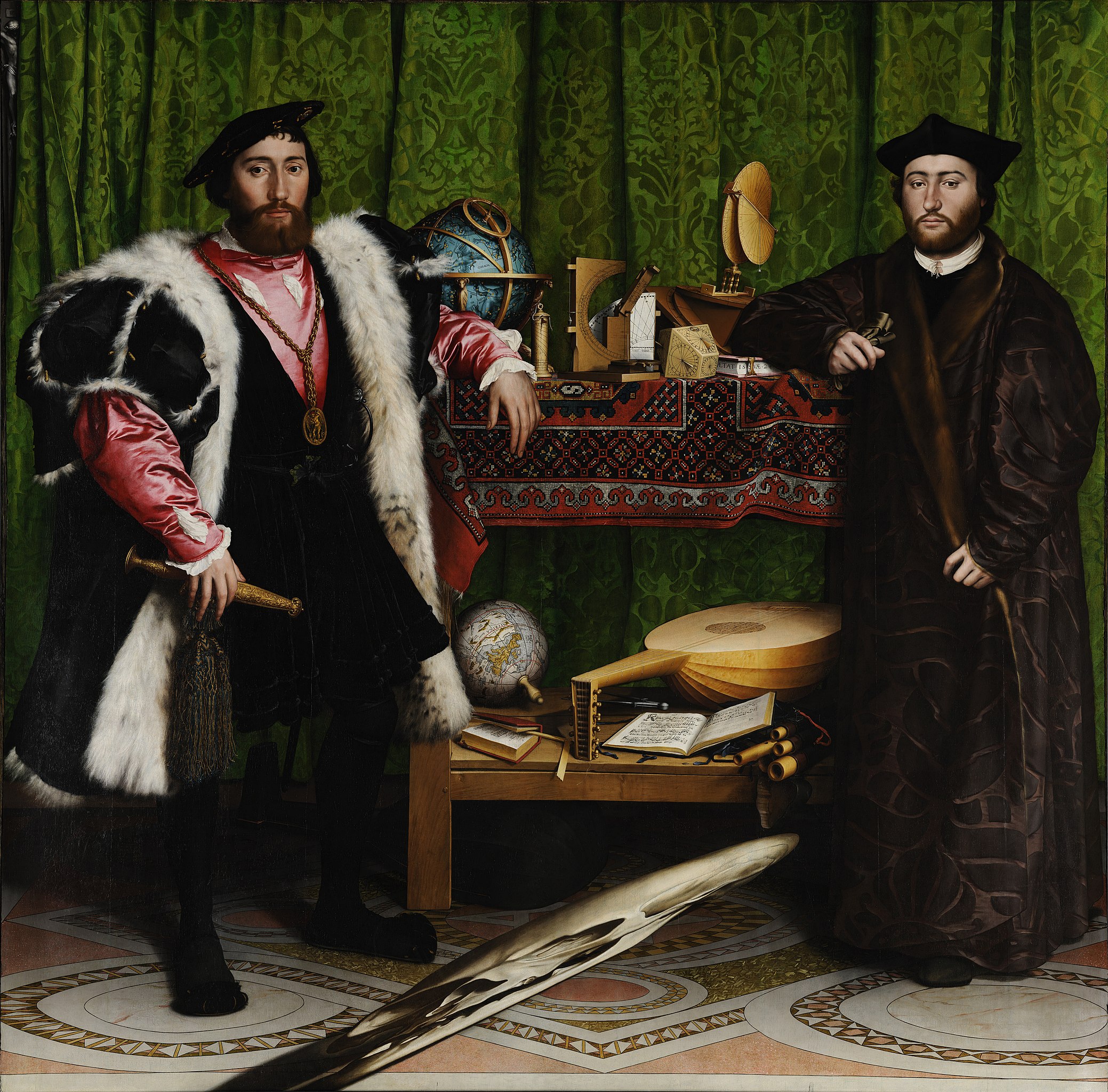
  • Hans Holbein the Younger, The Ambassadors (1533)

Reading:

Writing: Respond to ONE of the following prompts. Keep your response short, posting as a reply under the appropriate heading in the comments section:

  1. Wyatt’s and Raleigh’s poems each respond to an earlier work, by Petrarch and Marlowe respectively. Focusing on ONE of these two instances of literary influence, how would you characterize the later poet’s relationship to the earlier one? Try to find a strong word (for instance “reverential” rather than merely “imitative”) and point to specific language in the poems to justify your characterization.
  2. Considering the portraits, how does the king’s portrait differ from those of his courtiers—or those of his wives? In characterizing this pattern, point to specific details in the images.

9 responses to “G2 Class 9.1

    • In the case of Marlowe’s “The Passionate Shepherd to His Love” and Raleigh’s “The Nymph’s Reply to the Shepherd”, Raleigh’s relationship with Marlowe is almost one of a mentor or a superior. Raleigh’s poem is written in response to Marlowe’s and in doing so, Raleigh uses his poem to correct the takes that Marlowe makes in his. Marlowe’s shepherd creates a world of perpetual springtime with “beds of Roses / And a thousand fragrant posies” (Marlowe lines 9-10), that is promised to a lover if she simply chooses to come live with him. In the world of this poem, nothing wilts, rusts, or dies, everything seems to be free of consequence. The shepherd speaks almost entirely of the future in promise: “I will make thee” (Marlowe line 9), “we will sit upon the Rocks” (Marlowe line 5), “we will all pleasures prove” (Marlowe line 2). Raleigh’s nymph responds to each of the shepherd’s points. Where Marlowe writes, “A belt of straw and Ivy buds, / With Coral clasps and Amber studs” (Marlowe lines 17-18), Raleigh’s nymph replies that those gifts will fade: “Soon break, soon wither, soon forgotten” (Raleigh line 15). Raleigh never invents new imagery or new situations to respond to Marlowe, he simply takes what Marlowe already said and adds what was missing from his perspective in order to correct him.

    • I noticed that in comparison to most of the images of the courtiers and wives the king seems to be looking at the viewer rather then looking or facing away. Independently, the King appears elegantly dressed in eye-catching colors and precious metals, while the courtiers keep it relatively unsophisticated and minimal when contrasted directly.

      • In both portraits of Henry VIII, the types of garments he is wearing are similar, with grand sleeves, feathered hats, and similar intricate embroidery with embedded jewels forming stripes on his bodice. I agree with you that this differs from the more simple clothing worn by the courtiers and it implies some styles of dress are reserved for only the king and it is not socially acceptable for others, not even nobles, to wear the king’s attire.

        • I totally agree with you. It’s like the King has a “dress code” that only he can wear. All those jewels and gold make him look like a monument, not just a person. Like you said, the courtiers keep it simple because they know who’s the boss. Henry wants everyone to know he is the most powerful one in the room just by looking at his sleeves.

    • From the portraits, it’s clear to me that the King was drawn in great detail and accuracy–creating an almost uncanny, lifelike image image of the King and his opulence. With this, his likeness is recognizable instantly. His courtiers however, were drawn much less meticulously, and with very bland, almost uninteresting color palettes. Because of this, the personage in the image is almost ambiguous and difficult to recognize. I wonder if this was done intentionally to elevate the status of the King and better embellish his majesty. On the other hand, I wonder that the lack of detail on the courtier was done intentionally to prove her modest position under the throne.

    • Henry VIII is shown front-facing, wide, and imposing with a direct gaze which exposes confidence and he is also exaggerated in size. His heavy clothing and symmetry make him look like a symbol of power, not just an ordinary person. In comparison, the courtiers and wives are more natural-looking with a less-turned stance, and smaller. Woman appear quiet and modest, no emotions really perceived. All in all, the king takes the spotlight while everyone seems subordinate and controlled.

    • I observed that King Henry VIII is drawn with intense, almost lifelike detail to the point where it even appears a bit creepy. In Comparison, his subjects were drawn with monotone color palettes and less detail. The contrast between the striking colors and detail in the king’s portrait compared to the dull colors and lack of detail for the subjects draw a clear line between royalty and the lower classes.

Add a Response

Your email address will not be published. Required fields are marked *

Separate ¶s with TWO returns.