Due Apr 1
Baroque Art: Embracing Passion
Reading: Strickland 46-57.
Viewing:
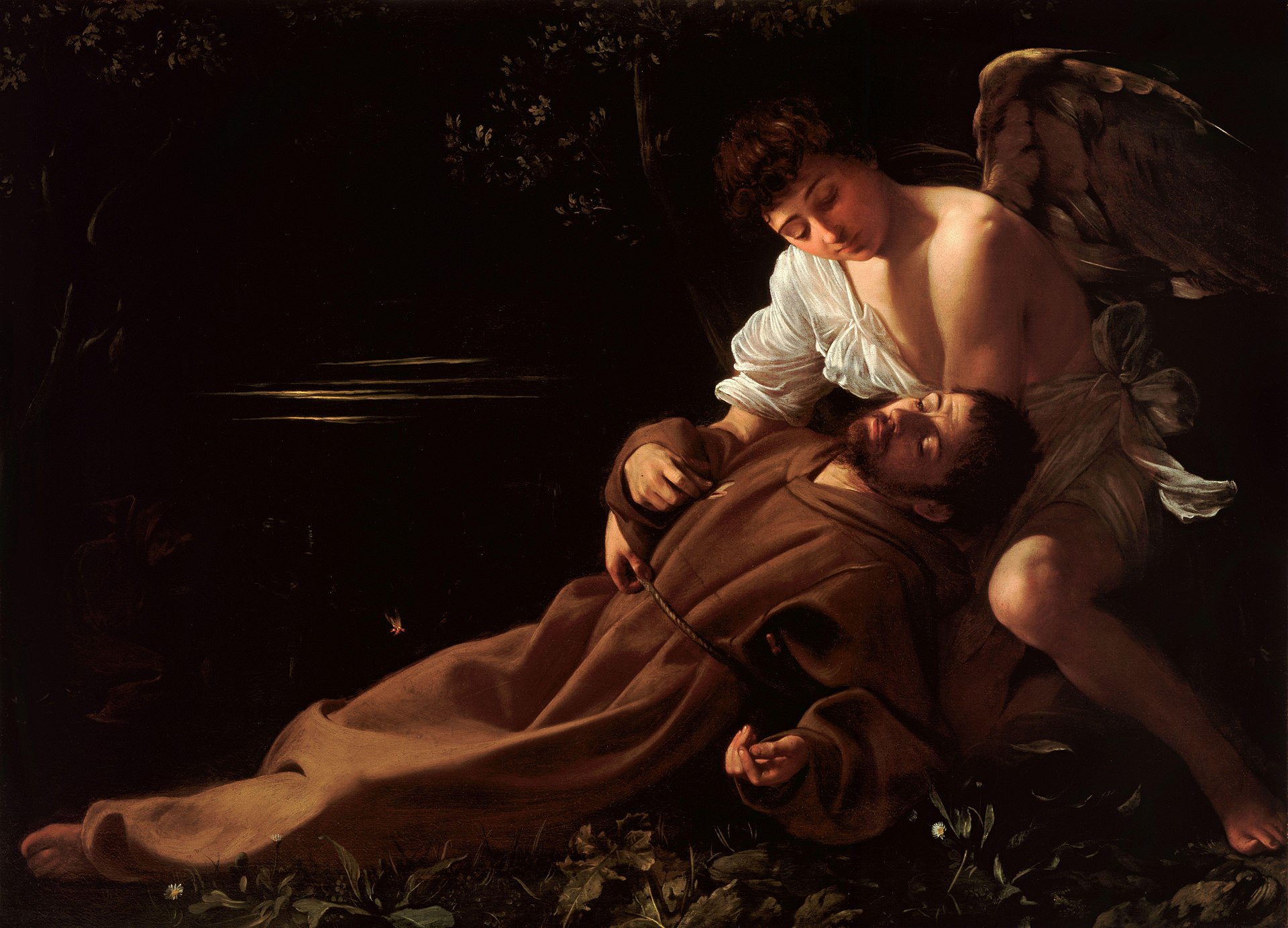
- Caravaggio, Saint Francis of Assisi in Ecstasy (Rome, 1595)
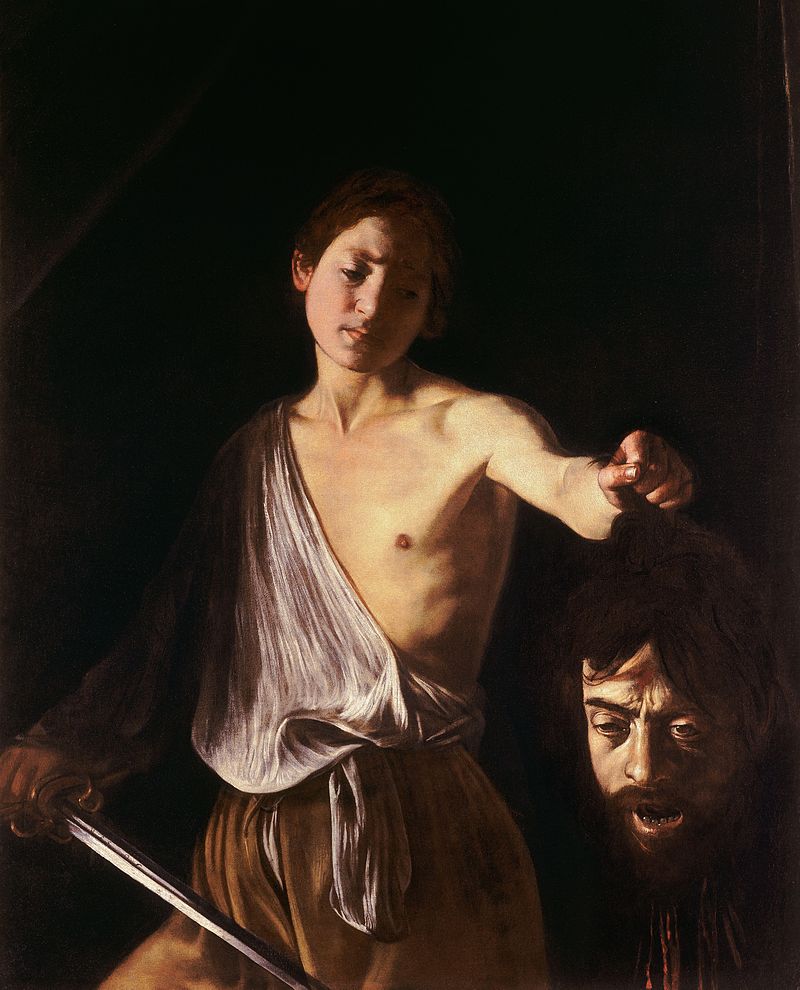
- Caravaggio, David with the Head of Goliath (Rome, 1610)
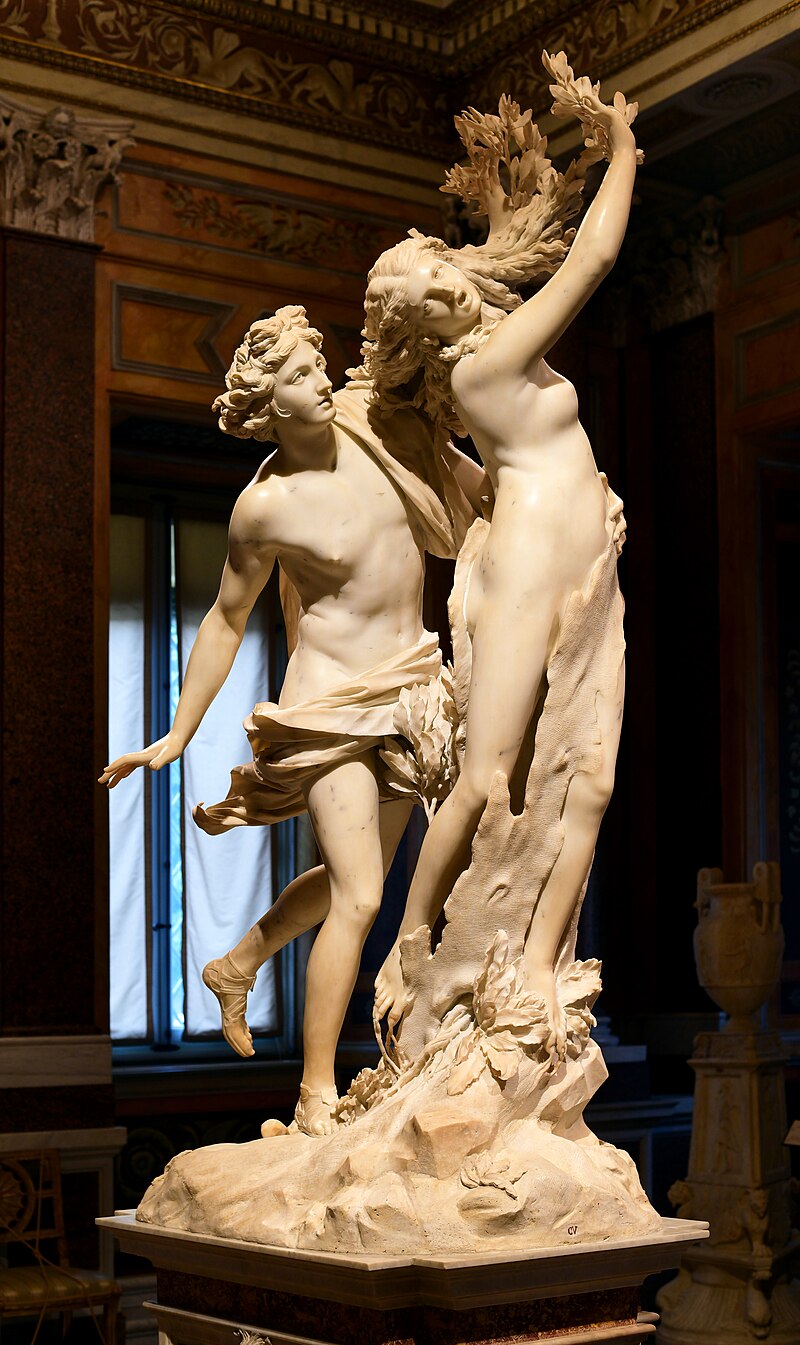
- Bernini, Apollo and Daphne (Rome, 1625)
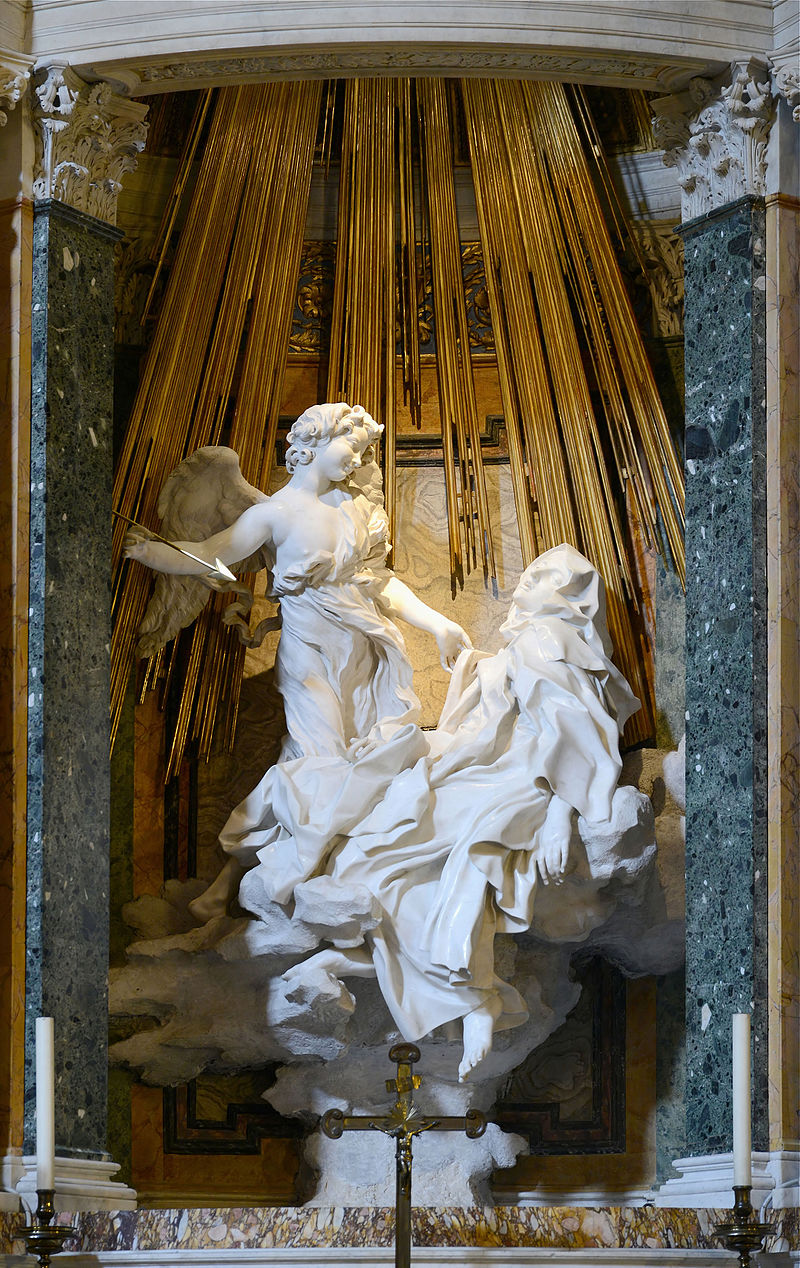
- Bernini, The Ecstasy of Saint Teresa (Rome, 1652)
Writing: Respond to ONE of the following prompts:
- Focus our attention on a compelling detail from one of the artworks above, and comment on what makes it appealing.
- Based on your reading in Strickland or elsewhere, post the image of a Baroque artwork and (briefly) make the case for why it should be included on today’s assignment.
Compelling Details
⤹Click the reply button just below.
I think the details in Caravaggio, David with the Head of Goliath (Rome, 1610) is very important because it portrays the psychological and personal toll revealing his own guilt yearning for redemption. Firstly, the head is assumed to be Caravaggio himself with realistic traits such as messy hair, mouth opened. This scene feels almost personal like Caravaggio is judging and feel for himself through the head. The head is pushed near the viewer with the hands holding it stretched out feels immediate and confrontational.
I agree with your assessment that Caravaggio presenting himself as the head perhaps shows a personal desire for redemption or a form of self-judgment. In that same context, I find it interesting that David looks upon the head with a mixture of disgust, anguish, and pity. I wonder if that is how the artist looks upon himself, or if it how he imagines others more virtuous than he is look upon him. David’s face seems to almost show regret for what he has done or at least the awful realization of how it feels to take a life. I wonder if the artist desires that same kind of pity.
Another detail in Davids phase is he seems to be crying or has a swollen tear duct. This implies his sorrow for his action. However I also noticed his brow is slightly furrowed which to me, implies he is acting out of rage. In the context of the head of Goliath being Caravaggio. I think that the artist is sad because of his actions of pushing societal norms by “intentionally seeking to shock and offend” (Strickland 47) and the way society treated him for it, as he was branded as the “the anti christ of painting” and a “vocal opponent of tradition”. But by adding the hint or rage on David, a biblical hero, it could potentially imply he had a sense of understanding as to why society responds as they do.
I agree with your statement on Caravaggios painting and the personal quality his work has through the tormented look of the head. It does feel very antagonistic towards the viewer but I think the use of shadows within the piece exemplifies this darkness further. The painting exudes the color black in everything not related to the two character and adds to an already forbidding nature that is extended further. It leaves the viewer feeling clear discomfort for the situation with the darkness appearing as an abyss-like entity in the background, drawing the viewer into the seemingly despondent piece.
Baroque artworks to add
⤹Click the reply button just below.
Attachment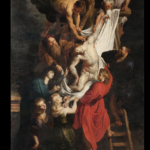
Based on my reading in Strickland, I believe the painting “The Descent from the Cross” by Rubens should be included in today’s assignment because it captures all the aspects of Baroque artwork. From the dramatization of the facial expressions of the people to the emphasize of Jesus’s death and his sacrifice for human life. The bloody, the clothing, the lighting, and the center of focus being Jesus, and even at his death, he is still on top, living above everyone else, even in the afterlife. This painting not only embodies passion but also captivates intensity, emotion, and a great level of artistic skill.
Attachment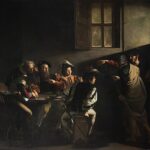
The Calling of Saint Matthew by Caravaggio (Rome, 1599-1600) perfectly captures what Strickland discusses about Baroque art’s embrace of passion and drama. Caravaggio’s use of light is very fascinating, as a beam of light cuts across the darkness directly on Matthew’s face. Making the moment of spiritual transformation physical and visible. To add to this, the figures around Matthew don’t even notice, which makes his moment of calling feel intimate and personal despite happening in public. This is Baroque at its core.