Due Mar 23
The Sociology of Court Life
Viewing:
Portraits from the Court of Henry VIII
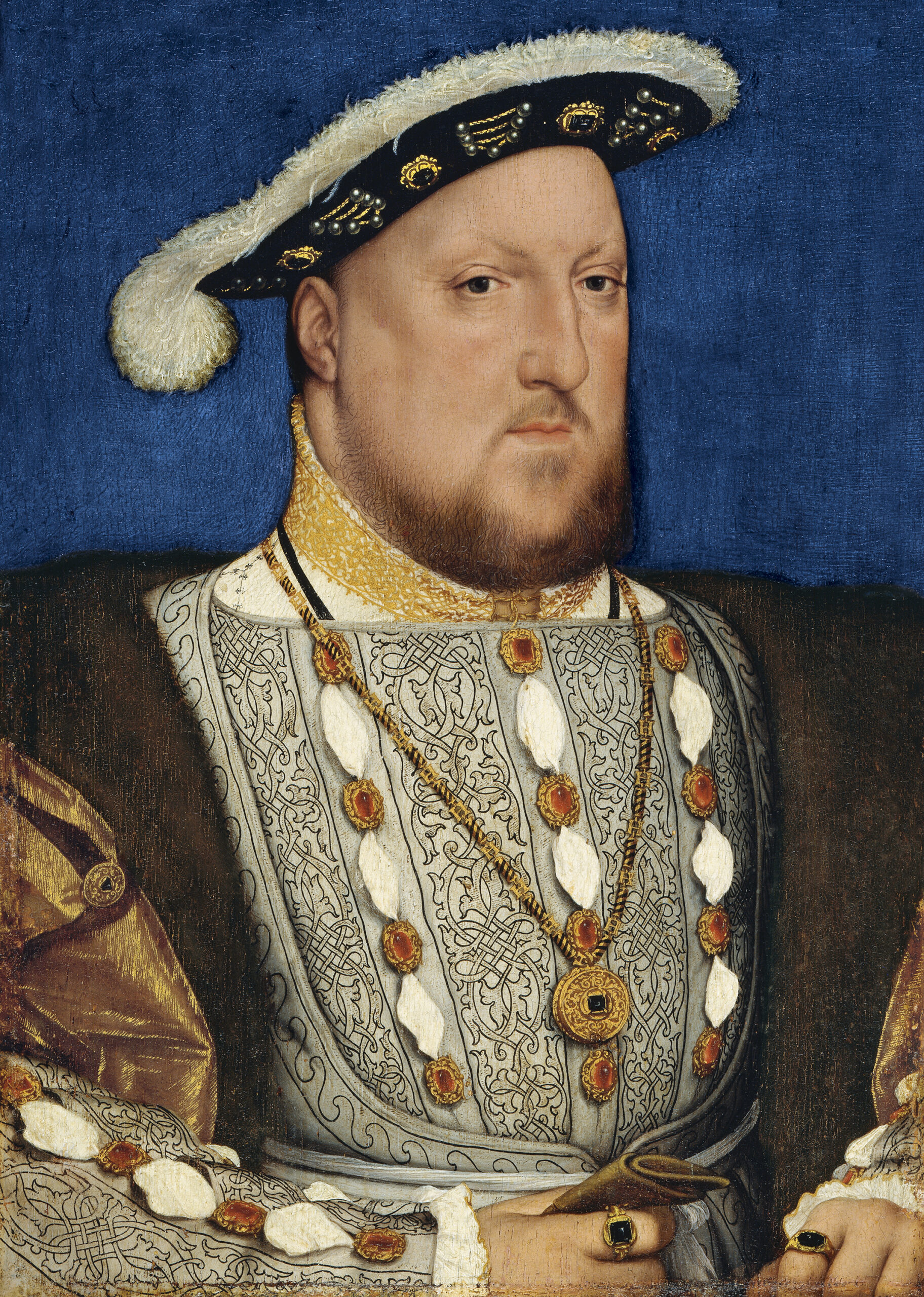
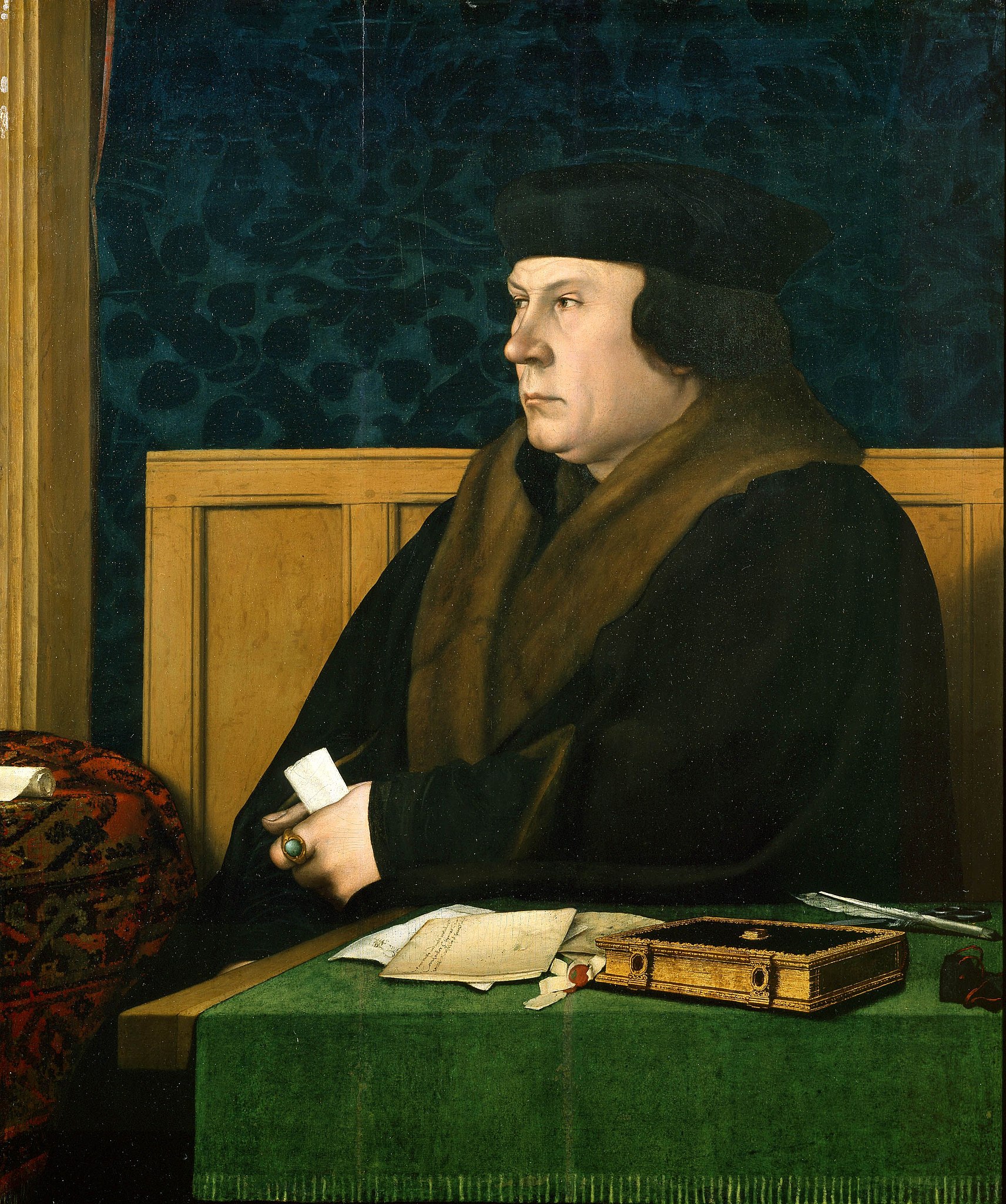
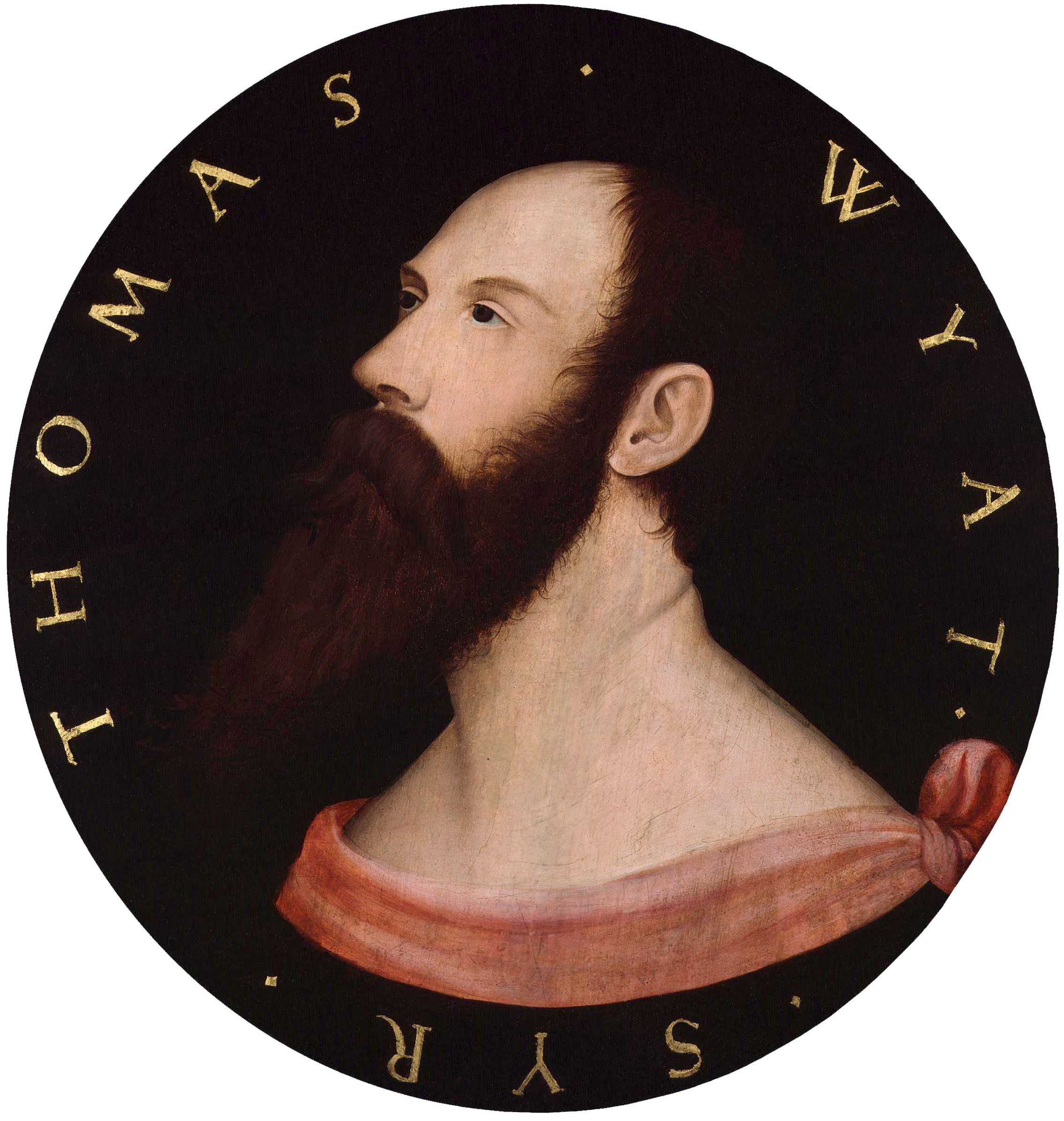
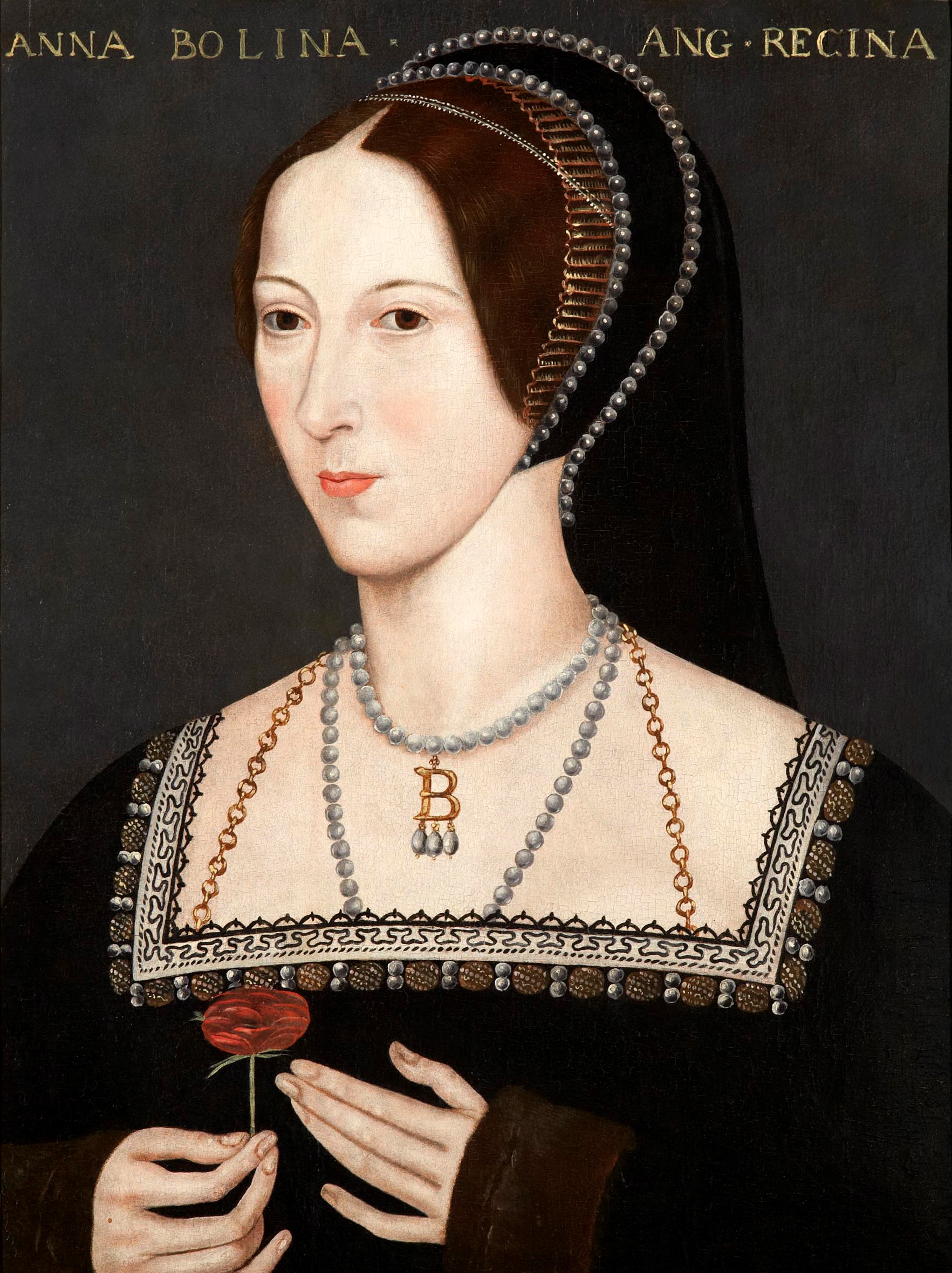
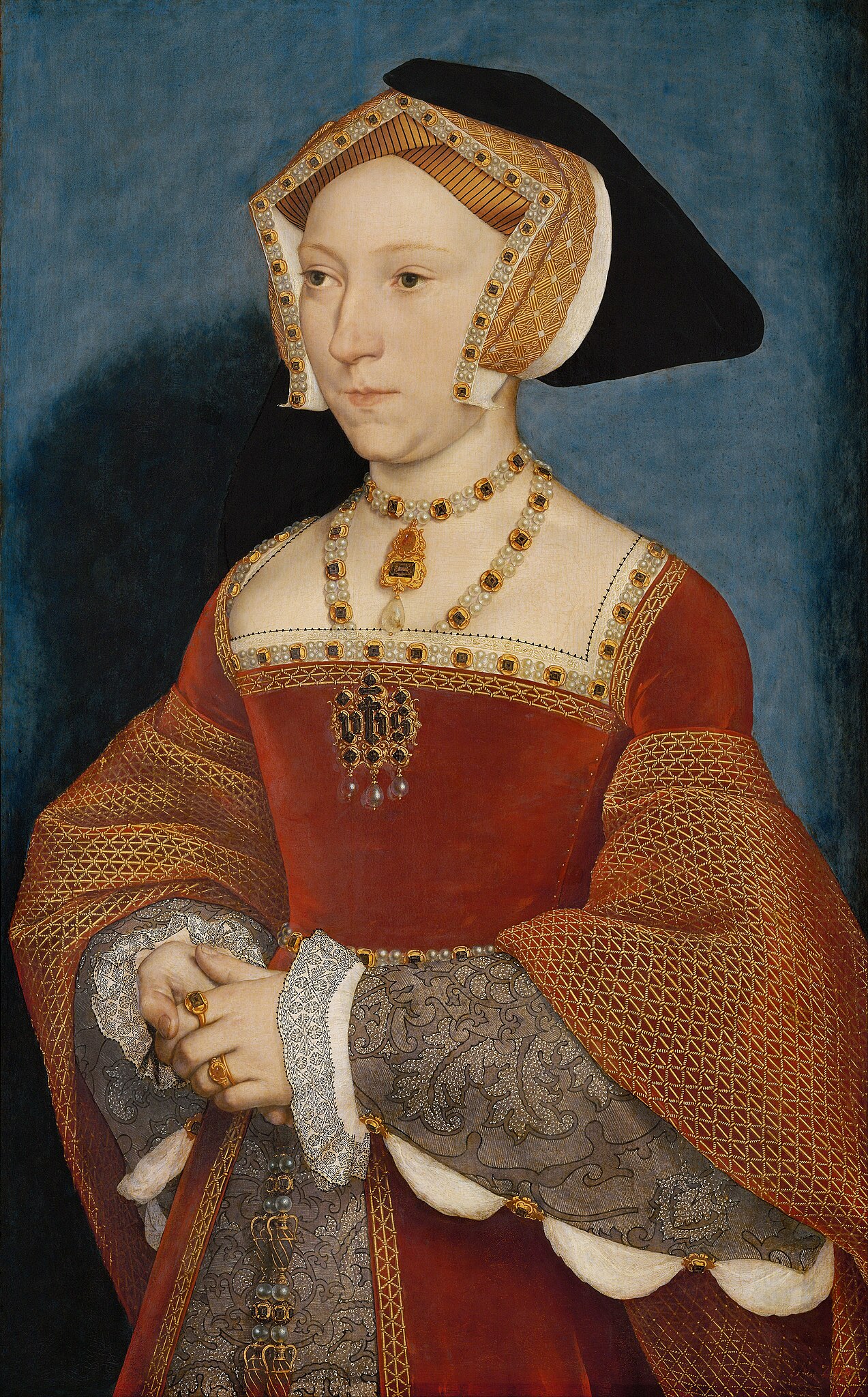
- Hans Holbein the Younger, Henry VIII (c1534)
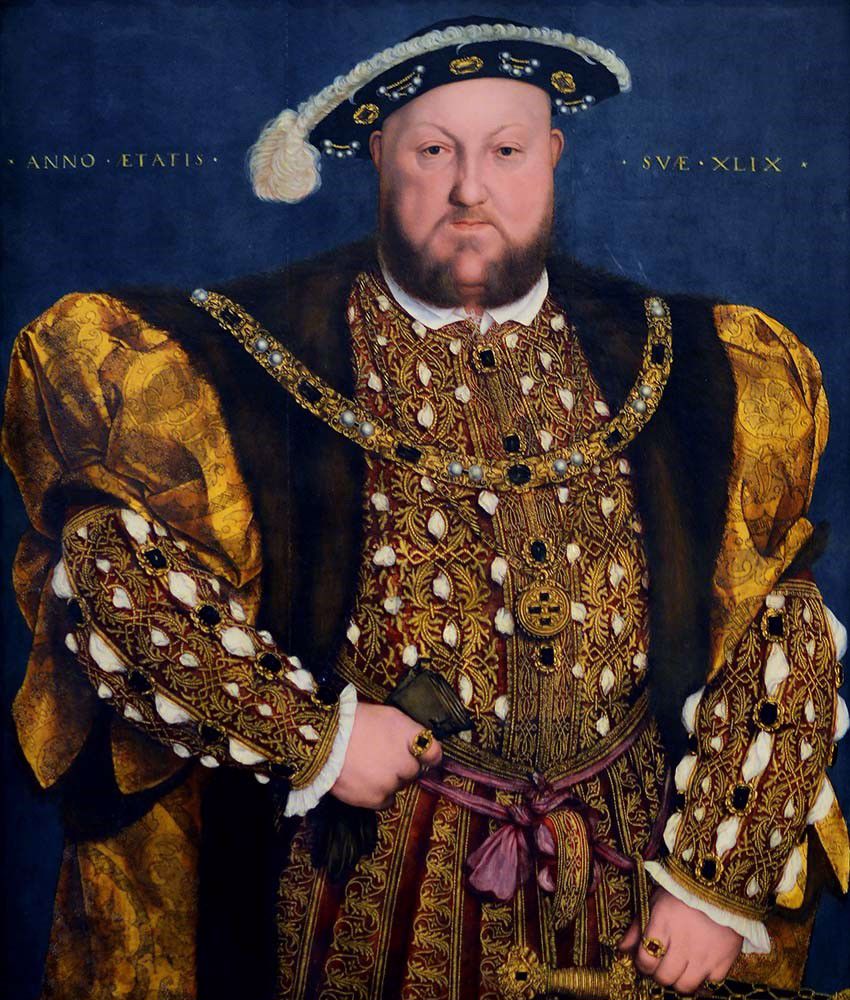
- Hans Holbein the Younger, Henry VIII (1540)
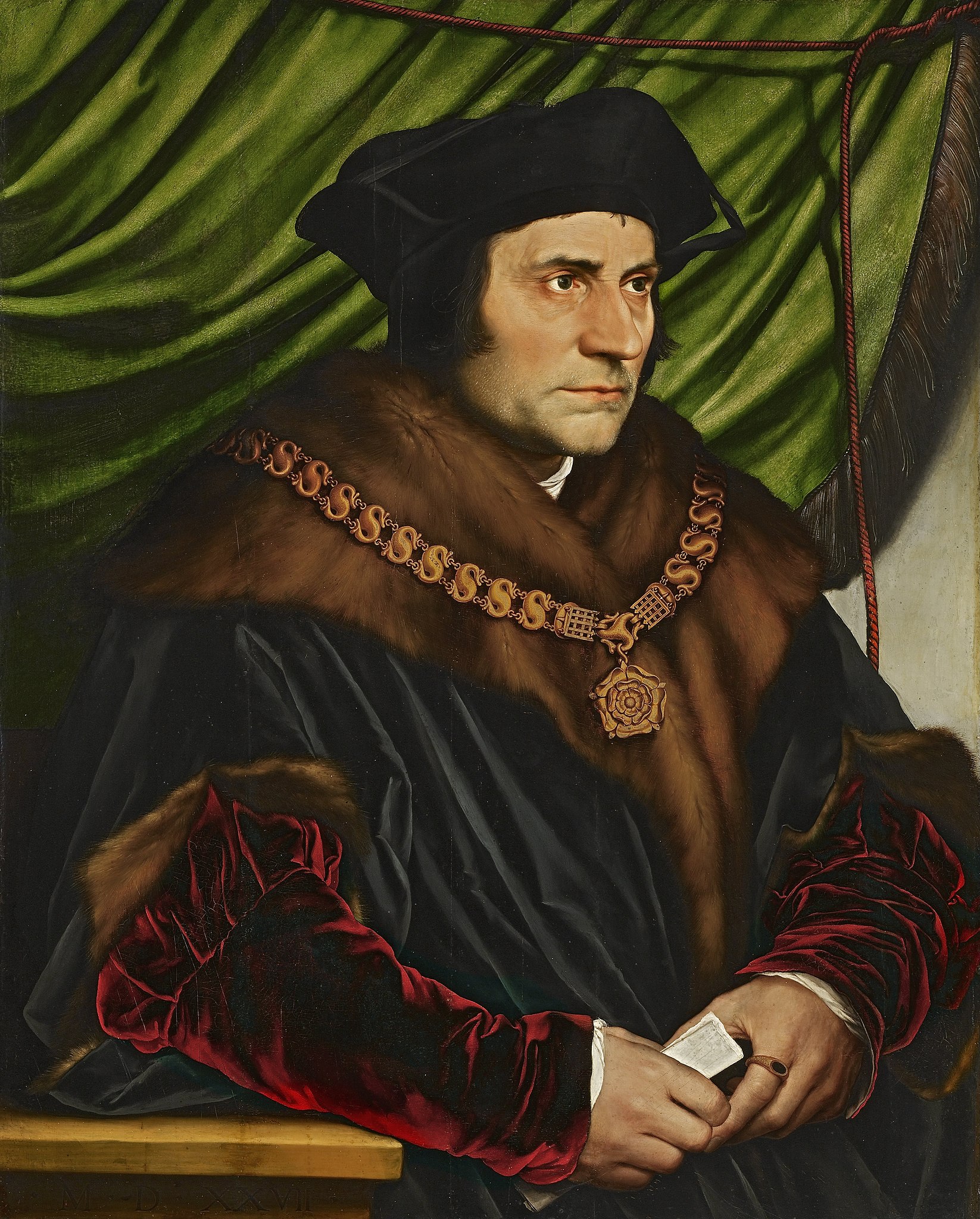
- Hans Holbein the Younger, Thomas More (1527)
- Hans Holbein the Younger, Thomas Cromwell (c1532)
- Unknown, after Hans Holbein the Younger, Sir Thomas Wyatt (c1540)
- Unknown, 1550 copy of contemporary portrait, Anne Boleyn (c1534)
- Hans Holbein the Younger, Jane Seymour, Queen of England (1536)
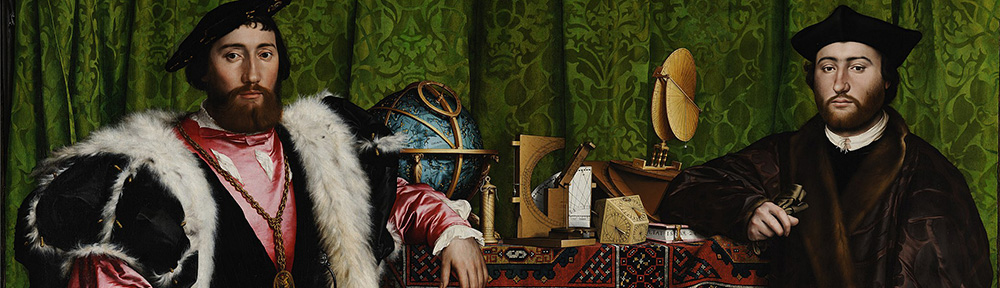
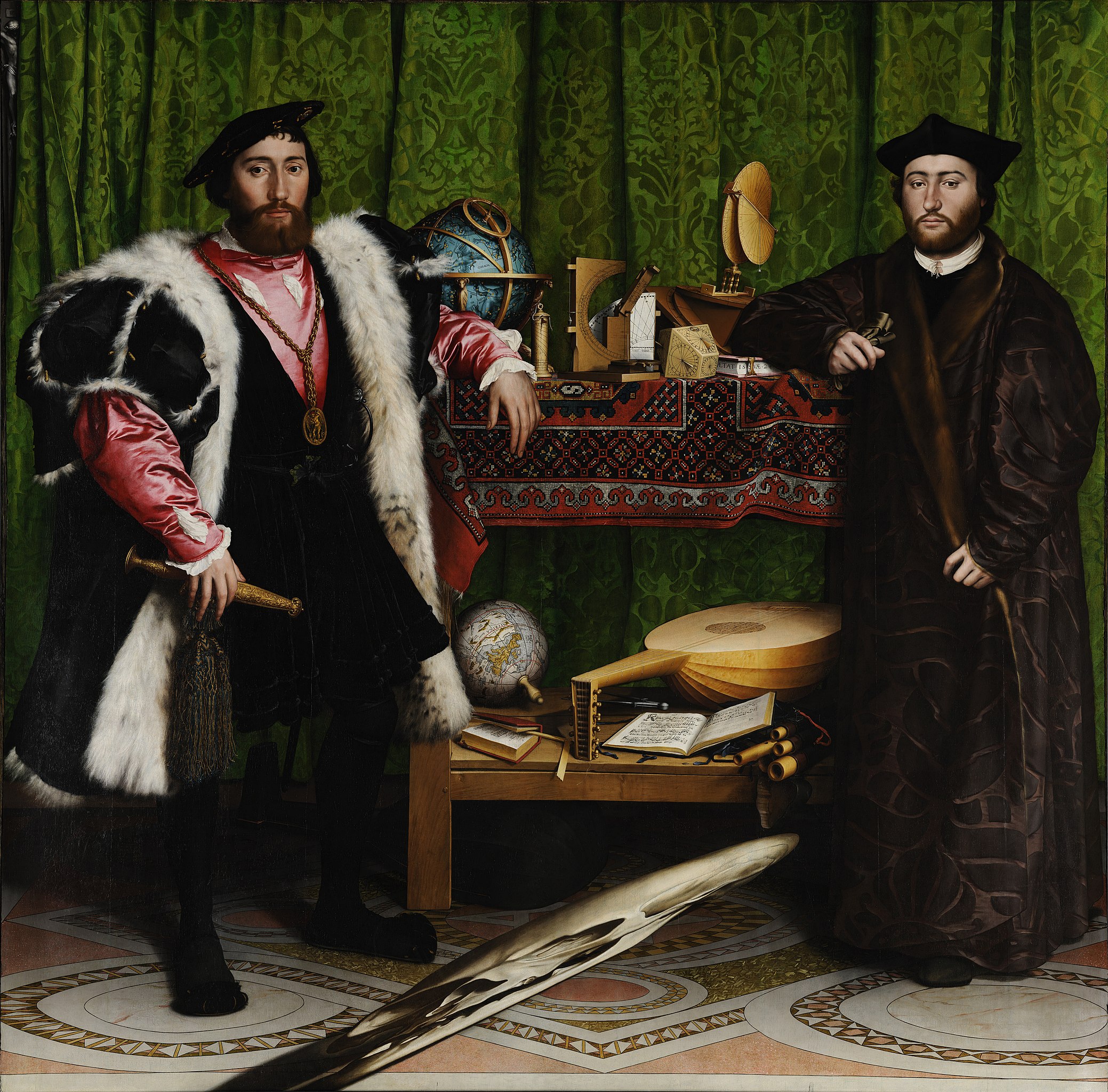
- Hans Holbein the Younger, The Ambassadors (1533)
Reading:
- Petrarch, Il Canzoniere 190, ‘Una candida cerva sopra l’erba’ (pub. 1374)
- Sir Thomas Wyatt, “Whoso List to Hunt” (written 1530s)
- Christopher Marlowe, “The Passionate Shepherd to His Love” (written 1590s)
- Sir Walter Raleigh, “The Nymph’s Reply to the Shepherd” (1600)
Writing: Respond to ONE of the following prompts. Keep your response short, posting as a reply under the appropriate heading in the comments section:
- Wyatt’s and Raleigh’s poems each respond to an earlier work, by Petrarch and Marlowe respectively. Focusing on ONE of these two instances of literary influence, how would you characterize the later poet’s relationship to the earlier one? Try to find a strong word (for instance “reverential” rather than merely “imitative”) and point to specific language in the poems to justify your characterization.
- Considering the portraits, how does the king’s portrait differ from those of his courtiers—or those of his wives? In characterizing this pattern, point to specific details in the images.
Characterizing Poetic Influence
⤹Click the reply button just below.
A strong way to characterize Sir Walter Raleigh’s relationship to Christopher Marlowe is skeptical. Raleigh’s poem answers Marlowe’s, but instead of continuing its romantic fantasy, it questions and undercuts it. Where Marlowe promises that “beds of roses” and “a thousand fragrant posies” will last, Raleigh responds with “flowers do fade” and “time drives the flocks from field to fold.” This shift in language replaces Marlowe’s idealized imagery with reminders of the enemy that is time and decay. Raleigh’s skepticism is especially clear in the phrase “If all the world and love were young.” He is suggesting that the shepherd’s vision only works in an impossible, frozen moment. By emphasizing time, aging, and natural degradation with lines like “thy gowns, thy shoes, thy beds of roses… soon break, soon wither,” Raleigh exposes the unrealistic nature of Marlowe’s promises. His tone is not mocking, but rather providing a rebuttal.
A good way to characterize Sir Thomas Wyatt’s relationship to Petrarch is sensible. Wyatt’s poems continue the chase of a woman, but result in understanding the struggle of chasing her and ends the chase. For instance, in Petrarch’s poem, it says “I left all my labour to follow her: as a miser, in search of treasure” and Wyatt says in his poem “But as for me, hélas, I may no more.
The vain travail hath wearied me so sore.” In Petrarch’s poem, it begins with the man seeing the woman and chasing her and he is happy to do so but in Wyatts poem we see that he finds his chase useless and regrets it by saying “hélas” which means in French regrettably and even calls it a pointless effort when he says “vain travail”. Also, Wyatt even includes a part in the poem saying that whoever is currently chasing the woman should stop and end his pointless hunt.
Distinguishing the King from his Subjects
⤹Click the reply button just below.
The King’s portraits are usually very powerful and authoritative. He stands straight, facing the front with a wide stance. He fills the frame with his exaggerated shoulders and heavy jewellery. This show is absolute power. In contrast, the courtiers are shown to be slightly turned to the side and are introspective, often shown with books or papers. This indicated the intellect and service. The wives are idealised in which are shown static, with very detailed and feminine clothing. Often focusing on beauty rather than individuality
I agree with what you said about how the king’s portraits are a display of power, while his courtiers are more a display of worth. I would like to expand on this by talking about the backdrops of the portraits. In the king’s portraits, the background is solely blue, while he fills the entire space. These portraits focus only on him, showing how he, as a ruler, is the only thing that matters. This contrasts with the portraits of his courtiers, which show more in the frame than just the individual themself. Like in Thomas Cromwell (c1532) and The Ambassadors (1533), there are detailed backgrounds and many other objects within the picture. This shows how their contributions are as important as the person being depicted. The wives are depicted similarly to the kings, in that the background is blank, but they are characterized a bit differently; rather than being powerful, they look more docile. The queens are an extension of their husbands, not their own independent individuals.
I absolutely agree that the King’s portraits are more authoritative than those of his subjects and of his wives. Henry’s gaze, in particular, is striking compared to the others portraits. Unlike theirs, his stare is direct and piercing, conveying the weight of his authority and ultimate judgment as both king and later supreme head of the church in England. Though both Cromwell and More were known to be incredibly influential and strong personalities, they are not afforded a gaze as direct as the king’s; instead, as is maybe befitting for the king’s councilors in this time period, they appear to be in contemplation, with their gazes directed somewhere out of frame and not directly at the viewer. Anne Boleyn was also known to be an influential, opinionated, and intellectual woman in her own right; she is also not afforded the directness that Henry is despite being his crowned queen. Neither are Jane Seymour or the two ambassadors, in a similar fashion to the aforementioned members of Henry’s court.
I agree with all of your points of the kings more authoritative nature in the portraits. I however, would like to draw attention to the choice of colors in each portrait, especially in the garments and accessories worn. In the portraits of king Henry it can be seen as much more colorful, shiny and vibrant. He can be seen wearing pink, shiny gold or showered in gem stones. This is also reflected in portraits of his wives as it is directly related to him and can be seen almost as a symbol of status if his wives are also covered in gemstones and gold. This is reflected even in the background color which is blue. However, when it comes to his courtiers the portraits are much more plain. The background is a much more neutral or darker tone. This is also seen in their outfits which is much more simple, often wearing a brown or black top with minimal to none jewelry. This can clearly portray the difference in power, class, wealth and money between the king and his courtiers during that time.
The king is largely distinctive from his subjects through the forward-facing and formidable look that his portraits have. He is adorned in complex draperies and jewlelry that can be seen in other portraits from the couriers and the wives but it is clear there is a noticeable gap in wealth between them. For example, the clothing of More and Cromwell cleary indicate some level of royal wealth but the overall clothing is much more rudimentary when compared to the artistry layering Henry the 8th. The hat is more intricate and the kings clothes have certain complex patterns that I imagine wouldn’t be on anyone besides someone of such high royalty. Further differentiation can be seen through the wives portraits which show a traditional feminine look with no autharitarian or powerful quality like the ones we see of the king.
Something that I noticed is that Henry’s portraits and the two queens portraits all have solid blue backgrounds whilst the others have curtains, furniture and other sorts of decor in their backgrounds. I think that having a portrait as a royal meant it was a painting that’s purpose was to show your power whilst for the courtiers it was meant to show their job or specific role in the court. That’s why the ambassadors are shown with maps and cartography tools, as the portraits aims to show them in their duty.