The Antiquities Craze in Italy
Reading: Strickland 32-45.
Viewing/Reading: Kelly Grovier on the Laocoön: link.
Viewing:
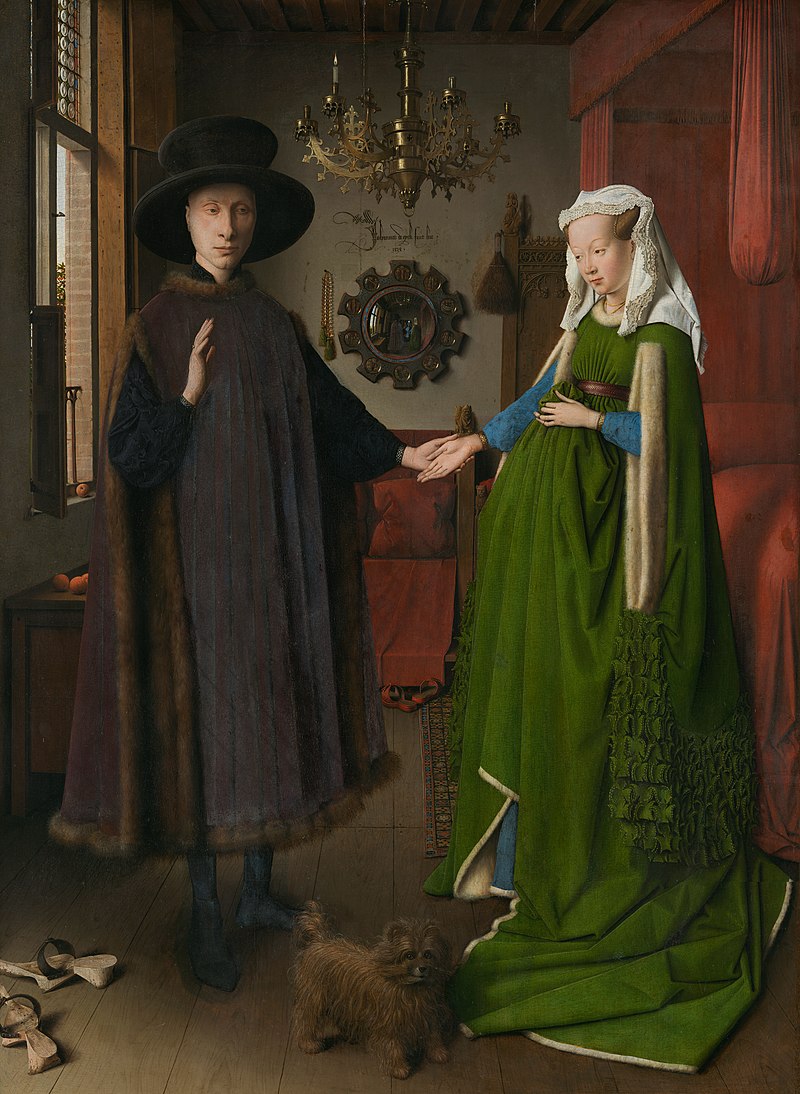
- Van Eyck, The Arnolfini Portrait (Bruges, 1434)
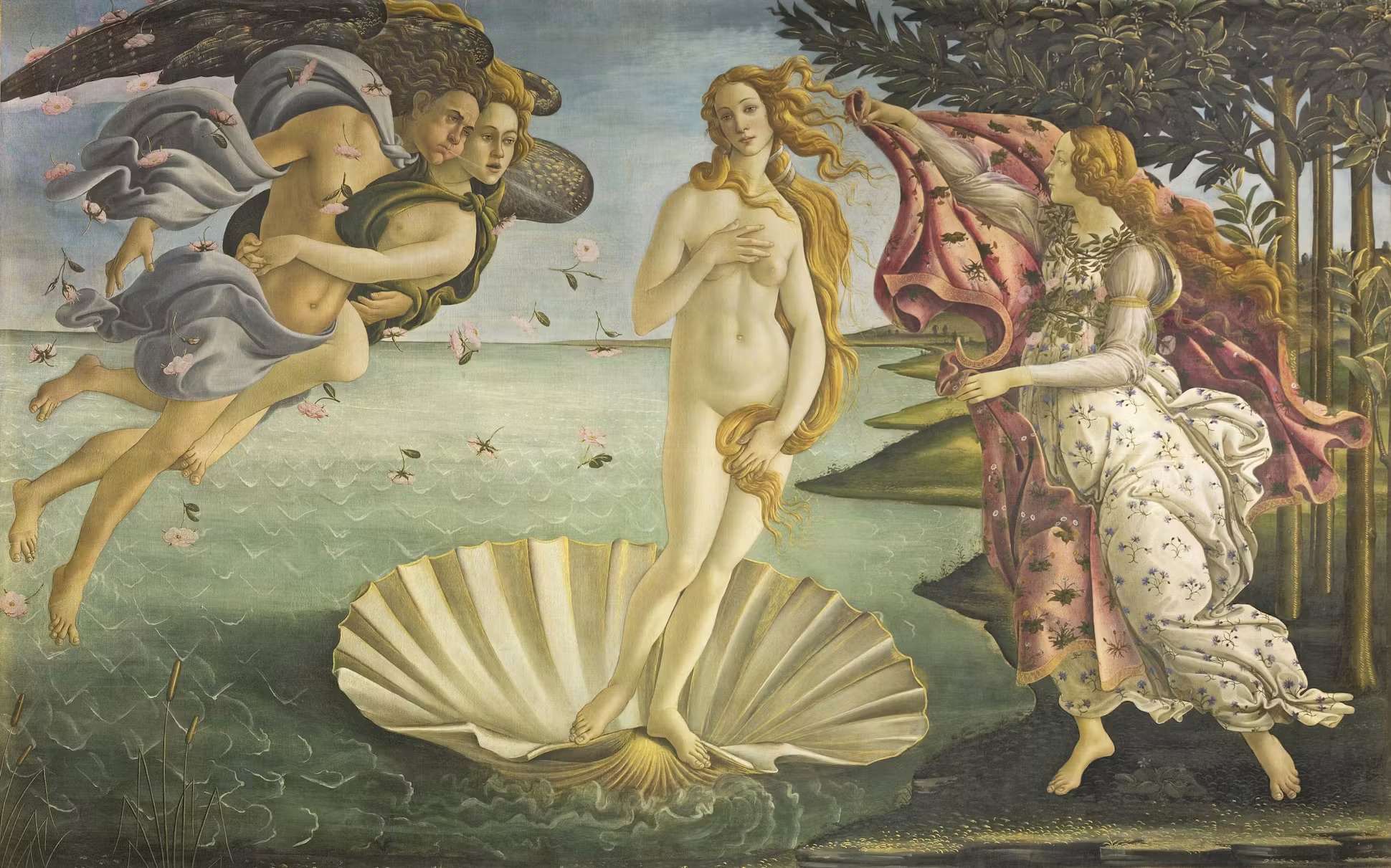
- Botticelli, Birth of Venus (Florence, 1482)
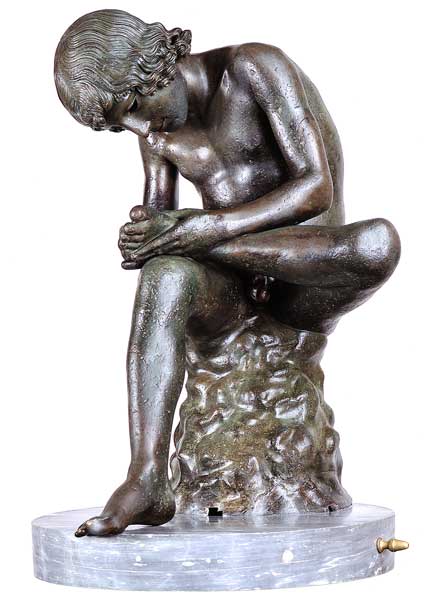
- Unknown, Spinario (Rome, 1st Cen BC)
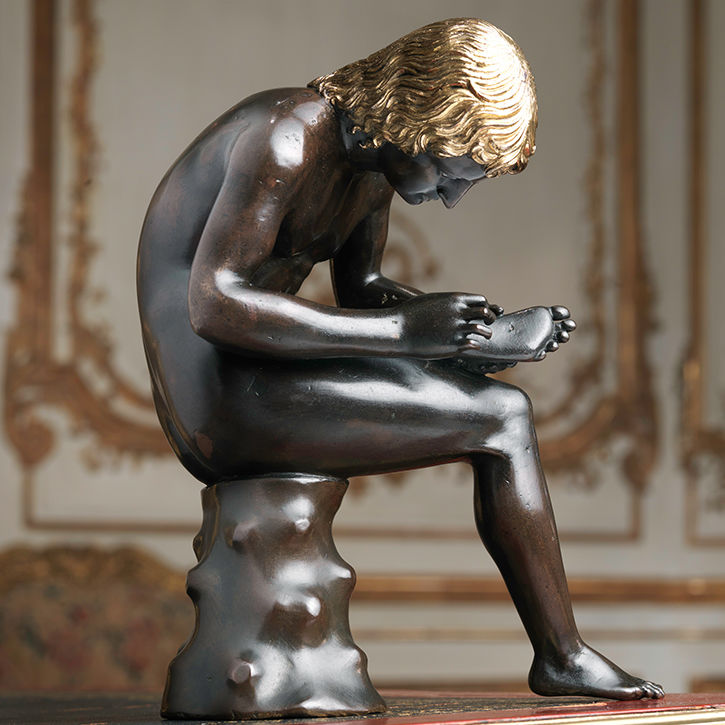
- Antico, Spinario (Mantua, c.1501)
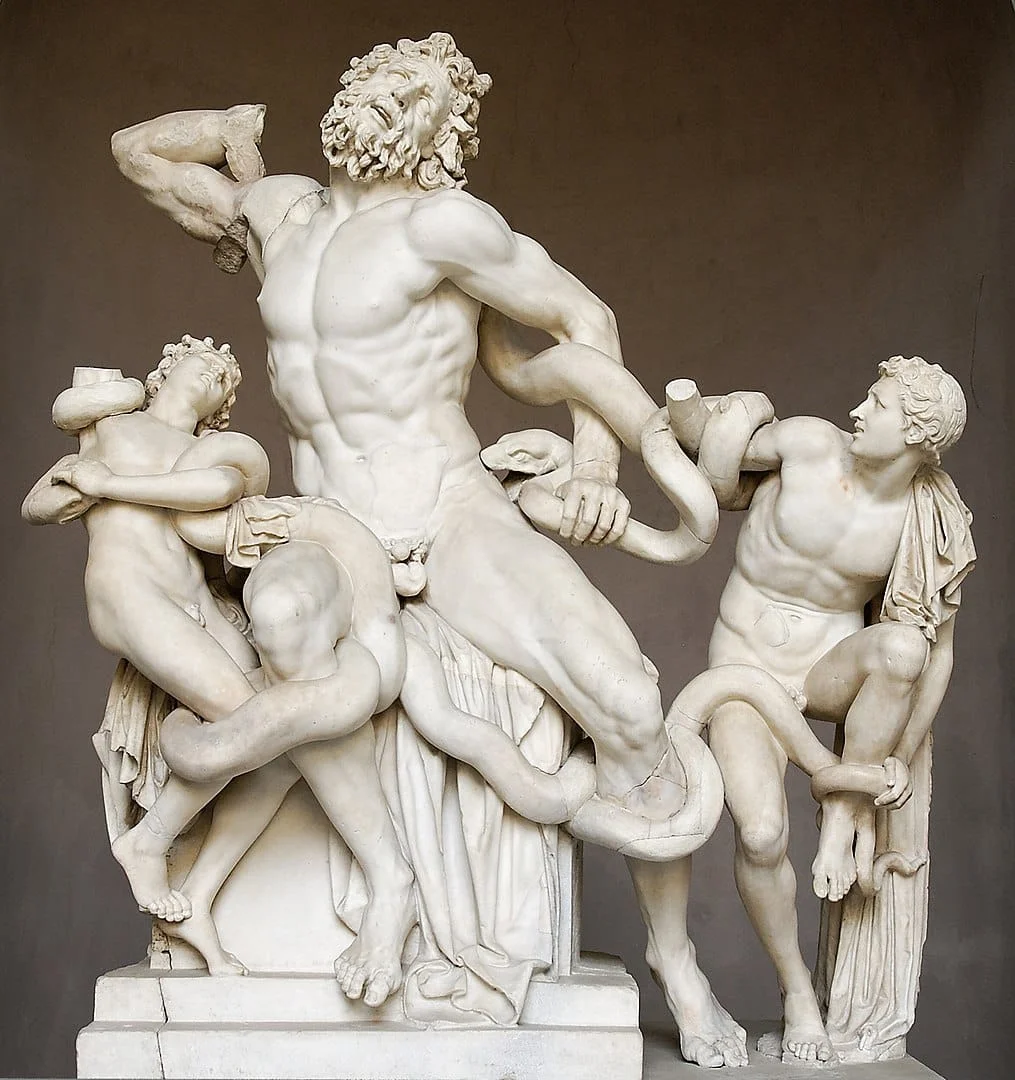
- Unknown, Laocoon (1st Cen BC)
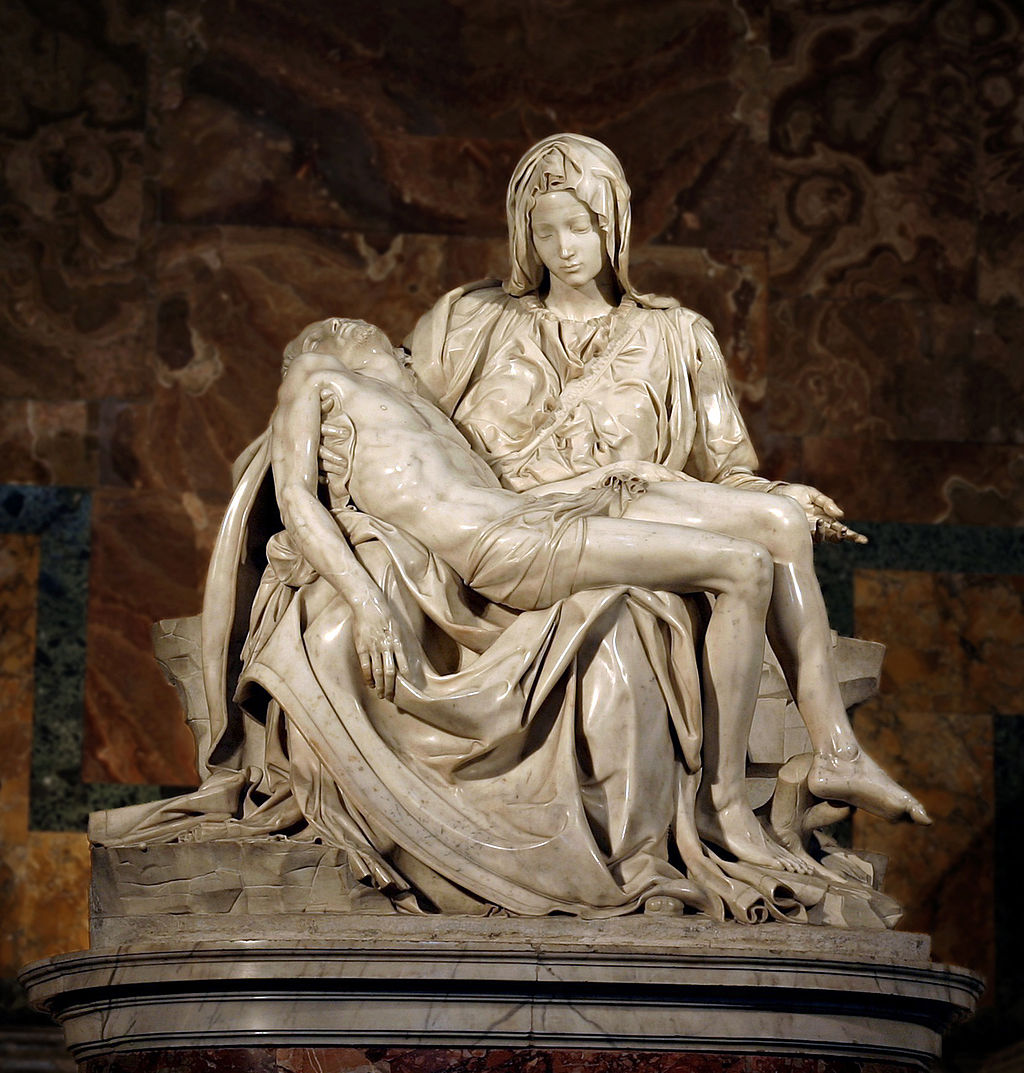
- Michelangelo, Pietà (Rome, 1499)
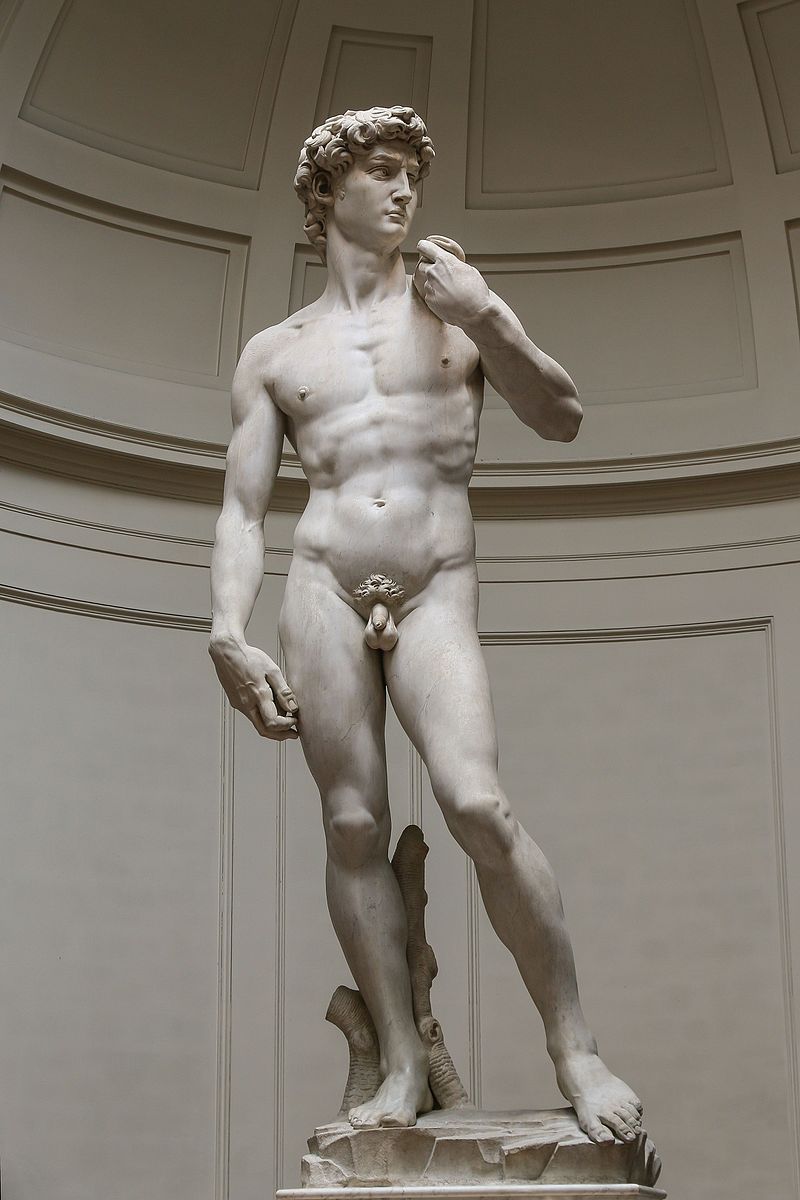
- Michelangelo, David (Florence, 1499)
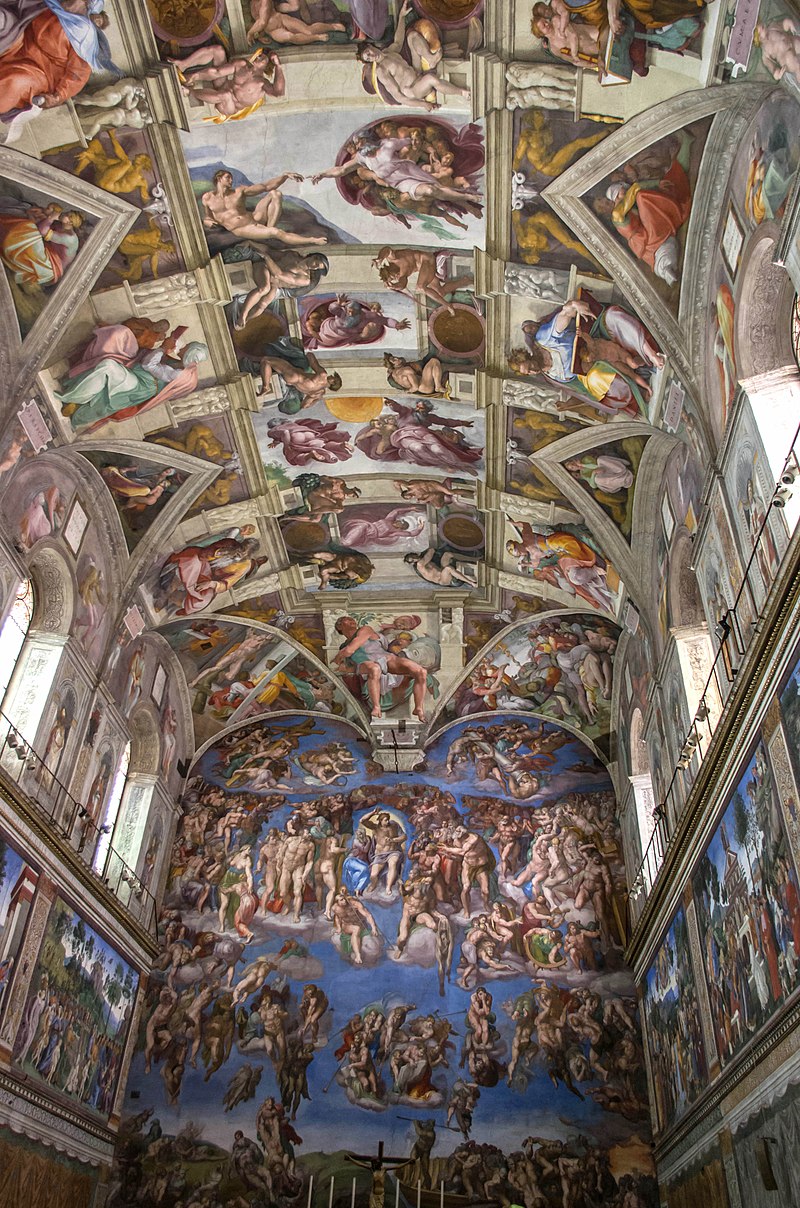
- Michelangelo, Sistine Chapel ceiling (Rome, 1512) and Last Judgement (1541)
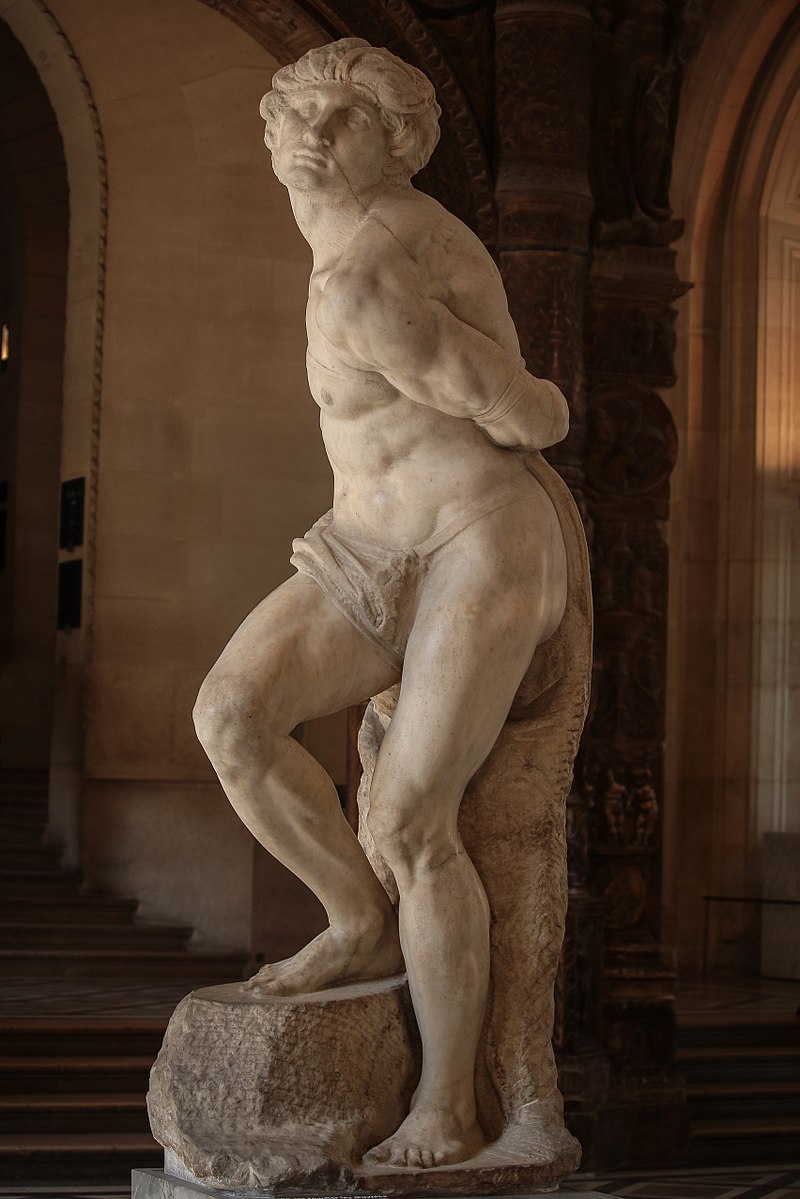
- Michelangelo, The Rebellious Slave (Rome, 1513)
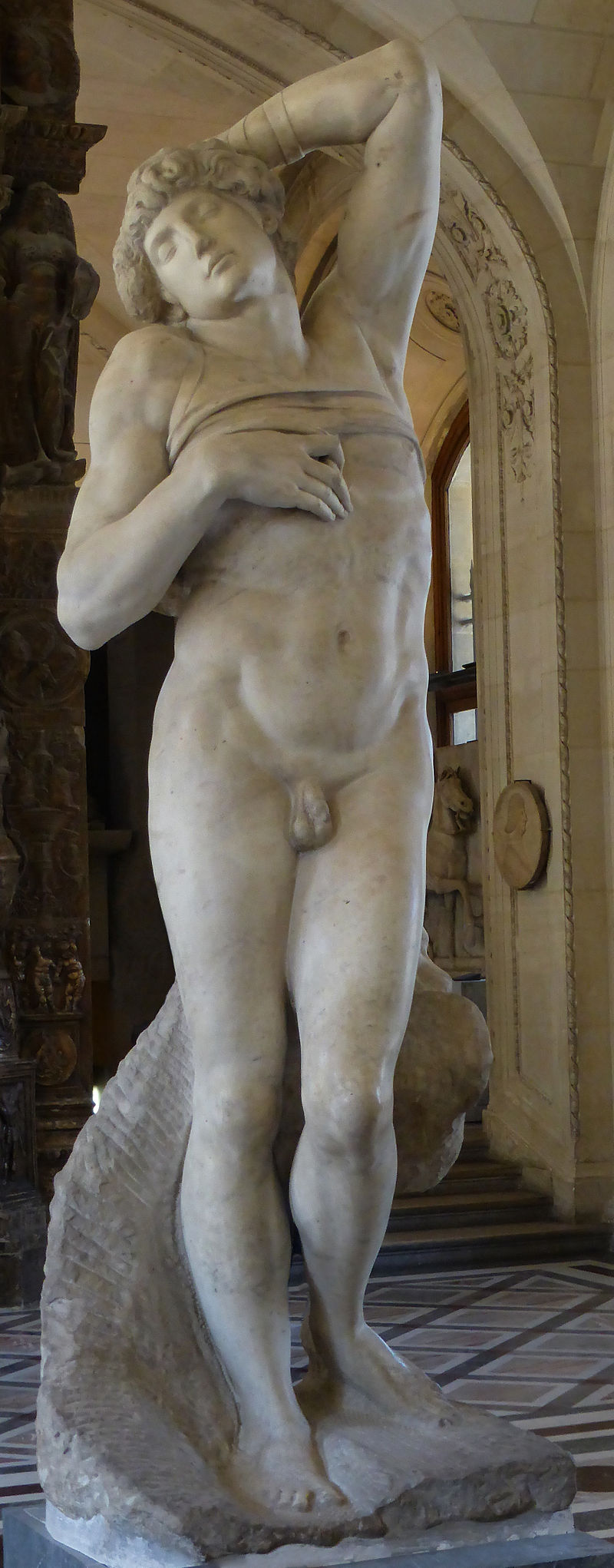
- Michelangelo, The Dying Slave (Rome, 1516)
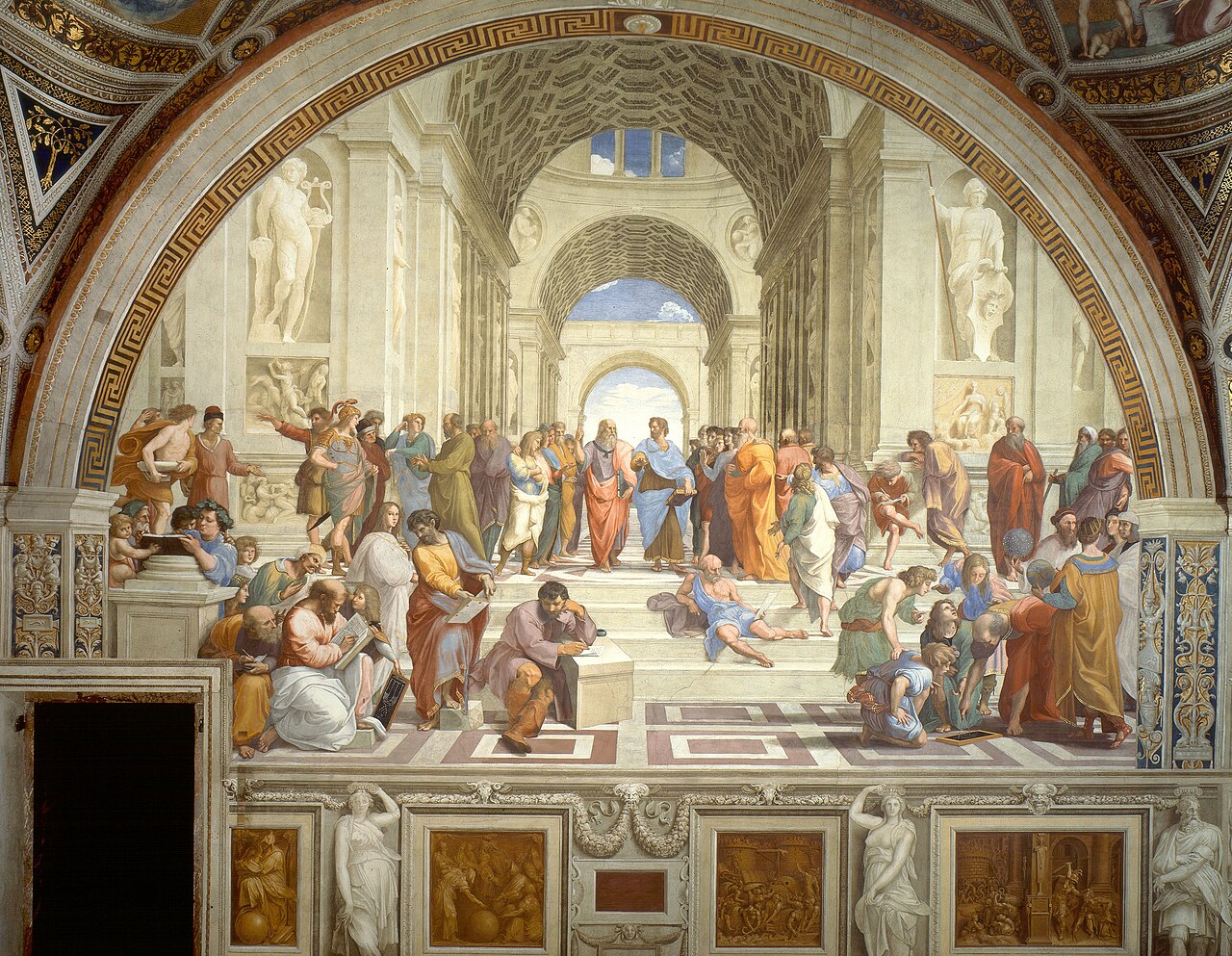
- Raphael, The School of Athens (Rome, 1511)
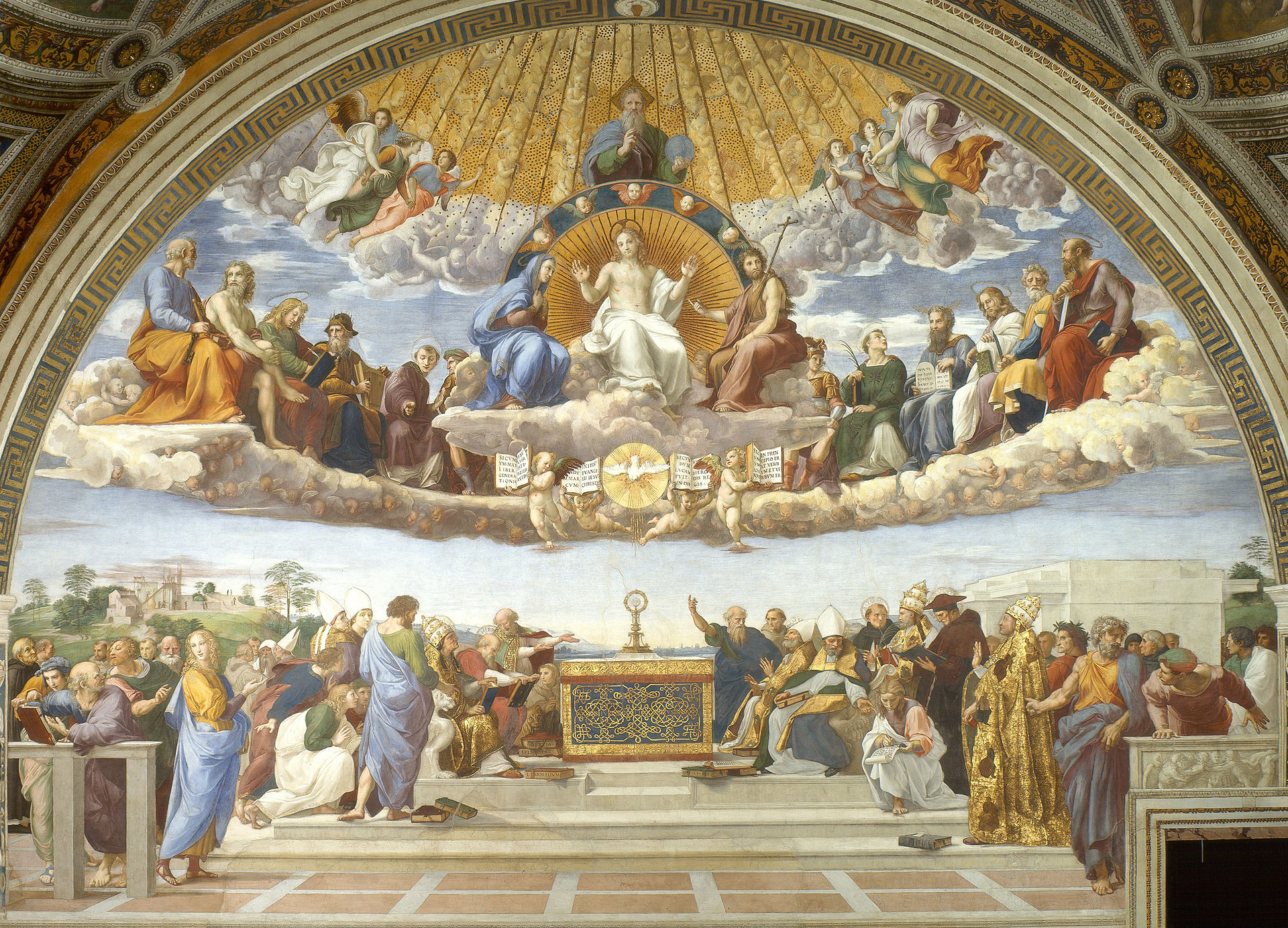
- Raphael, The Disputation of the Sacrament (Rome, 1510)
Writing: Respond to ONE of the following prompts. Keep your response short, posting as a reply under the appropriate heading in the comments section:
- Focus our attention on a compelling detail from one of the artworks above, and comment on what makes it appealing.
- Based on your reading in Strickland or elsewhere, post the image of a Renaissance artwork and (briefly) make the case for why it should be included on today’s assignment.
- Given Grovier’s story of Michelangelo witnessing the discovery of the Laocoon, what trace of its influence can you find in his sculptures?