Lecture 12

Enlightenment Satire

Viewing: two moral satires by William Hogarth:

Reading: Voltaire, Candide, Chs 1-14 (pp 1-47)

Writing: Respond to ONE of the following prompts. Keep your response short, posting as a reply under the appropriate heading in the comments section:

  1. Finding the funny: Hogarth’s engravings can feel a bit preachy, but they’re filled with humorous details. Draw our attention to a key detail and comment. (Feel free to attach a closeup image of the detail you’re interested in.)
  2. Finding patterns: a lot happens in Voltaire’s satirical novel; help make sense of the chaos of events by noting a pattern, something that happens repeatedly.
  3. Progress: what sort of “progress” happens over the course of Hogarth’s image series—or Voltaire’s novel? Cite a particular detail from one of these three “texts” as example or illustration.

Class 11.2

Self-Reflection and the Orient

In 1714, the Safavid Shah of Persia sent the Mayor of Erivan, Mohammed Reza Beg, on an ambassadorial mission to the court of Louis XIV of France. The two countries had a common enemy in Ottoman Turkey, and while the visit did not result in a formal alliance, it did cause quite a stir in Paris. As documented in this series of blog entries, Beg’s visit was reported in the press as well as being commemorated by court painter. Of particular interest was Beg’s insistence on daily bathing, necessitating expensive renovations to the Hôtel where he stayed—a practice that the French elite soon imitated.
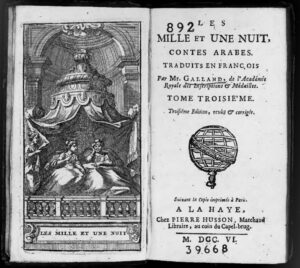
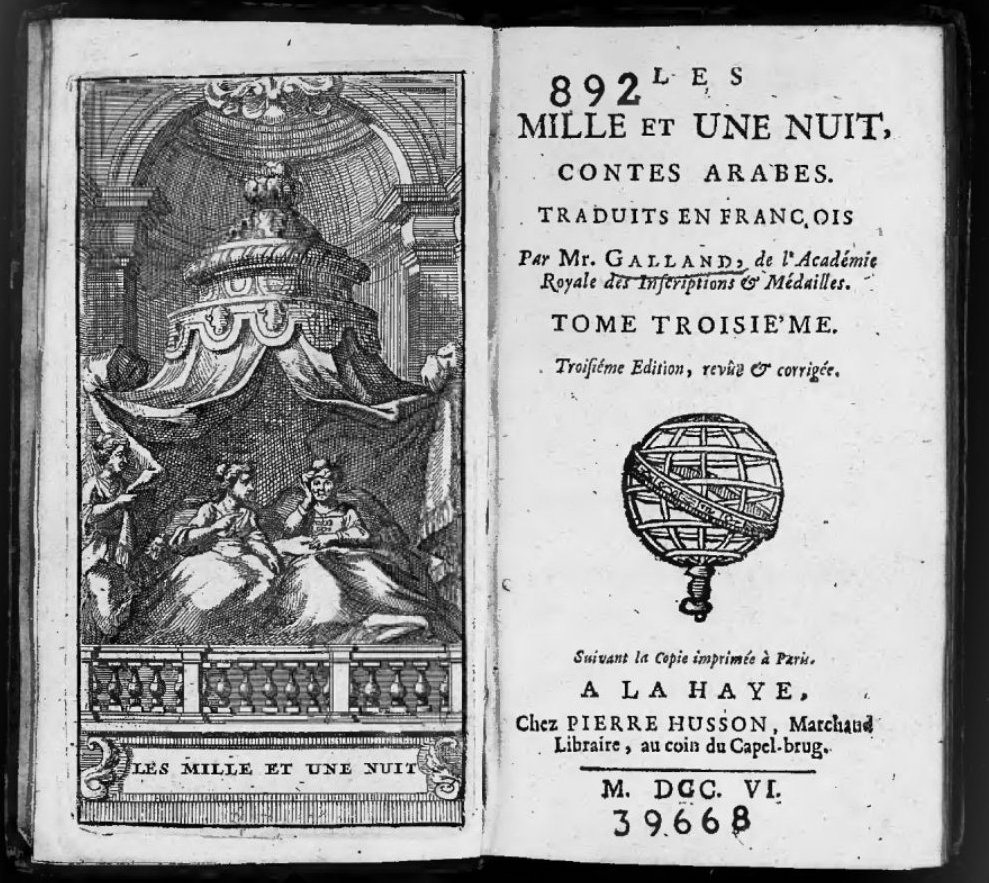
Just ten years earlier, Antoine Galland generated interest in the “Orient” (what we today call the Middle East) with the publication of the first volume of his 12-volume translation of The Thousand and One Nights, introducing Scheherazade, Aladdin, and Sinbad to an European audience.

This is the context in which we’re going to approach The Persian Letters, written by the political philosopher Charles Montesquieu. Published in 1721, six years after the real-life visit of the Persian ambassador, the volume purports to be a translation of documents left behind by a pair of Persian nobles after their extended stay in Paris. The letters detail the commentary of these fictional visitors regarding French customs, but also goings-on back in Persia. In the words of historian Susan Mokhberi, “With the publication of Montesquieu’s Persian Letters in 1721, Persians moved from objects of curiosity—as witnessed in the reception of Mohammad Reza Beg in 1715—to objects of critical reflection”: a mirror in which the French might examine their own social mores and prejudices.

Lady Mary Wortley Montagu presents a second instance of the same trend. The freethinking daughter of the 5th Earl of Kingston, Montagu eloped with a progressive member of Parliament to escape an arranged marriage. After her husband Edward was named ambassador to the Ottoman emperor of Turkey, she spent several years living abroad, during which time she recorded her experiences and observations in correspondence with friends which was later published as The Turkish Letters. Where Montaigne offers a critique of French mores from an imagined foreign perspective, Montagu’s critique is based in real-world observation.

Reading: Montesquieu, The Persian Letters, Preface as well as Letters # 1-4, 45, 55 & 56 (Montesquieu.pdf).

Reading: Montagu, The Turkish Embassy Letters, Letter 26 (Montagu.pdf).

Writing: Respond to ONE of the following prompts. Keep your response short, posting as a reply under the appropriate heading in the comments section:

  1. Several of Montesquieu’s letters focus on melodrama in Uzbek’s seraglio. Keying on a particular event or detail, comment on this exotic locale. Does Montesquieu strike you as interested, fundamentally, in gender relations or in power?
  2. Other letters focus on European life and customs from the perspective of these Persian visitors. Keying on a particular event or detail, comment as to one target of Montesquieu’s critique.
  3. How does Montagu’s cultural critique differ from Montesquieu’s? Rather than listing a bunch of differences, focus on one. Or, better, name an obvious difference, then go into depth with a vital difference.
Class 11.1

Cogito, Ergo Sum

Reading: Descartes, selections from the Discourse on Method (Blackboard).

Writing: Respond to ONE of the following prompts. Keep your response short, posting as a reply under the appropriate heading in the comments section:

  1. Comment on the way that Descartes presents himself to the reader, quoting a relevant passage. On what ground does he recommend his experience as worthy of our interest?
  2. In Part 2, Descartes introduces an architectural metaphor—one to which he recurs in Part 3. Quote a relevant line and then riff a bit on what this metaphor suggests as to the dimensions and implications of his intellectual project.
  3. In Part 4, we encounter the famous line “I think, therefore I am.” Except our translator has rendered it as “I am thinking, therefore I exist.” What does Maclean’s translation get right about the meaning of the Latin phrase, “cogito, ergo sum”? Alternatively, what does it miss that the traditional phrasing gets right?
  4. Having proven his own existence, Descartes goes on to argue the certainty of God’s existence. Quote a relevant line from this section and comment on the logic of his argument.

Lecture 11

The Freedom to Think

Reading: Kant, “An Answer to the Question, What is Enlightenment?” (Blackboard).

Writing: Respond to ONE of the following prompts. Keep your response short, posting as a reply under the appropriate heading in the comments section:

  1. Kant opens with a provocative claim, “Enlightenment is the human being’s emergence from his self-incurred minority.” Tease out his meaning—whether by reference to a dictionary or to what he goes on to say in later ¶s. Alternatively, comment on Kant’s rhetorical strategy in employing this metaphor.
  2. A page later, Kant suggests that enlightenment depends crucially on freedom. But what sort of freedom, exactly? And why does it require courage to exercise it?
  3. Comment on a detail or oddity that catches your eye.

Class 10.2

Baroque Art: Embracing Passion

Reading: Strickland 46-57.

Viewing:

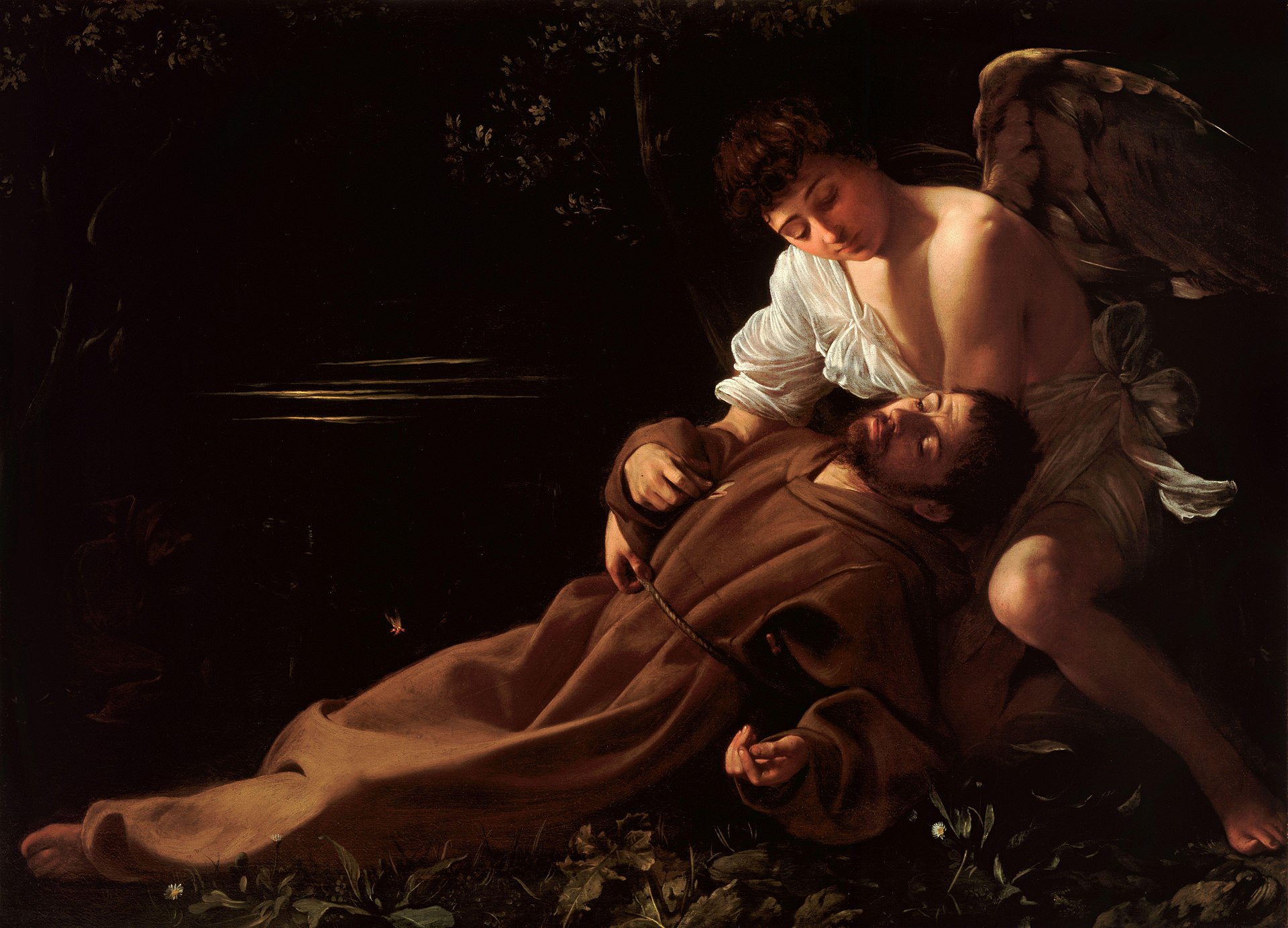
  • Caravaggio, Saint Francis of Assisi in Ecstasy (Rome, 1595)
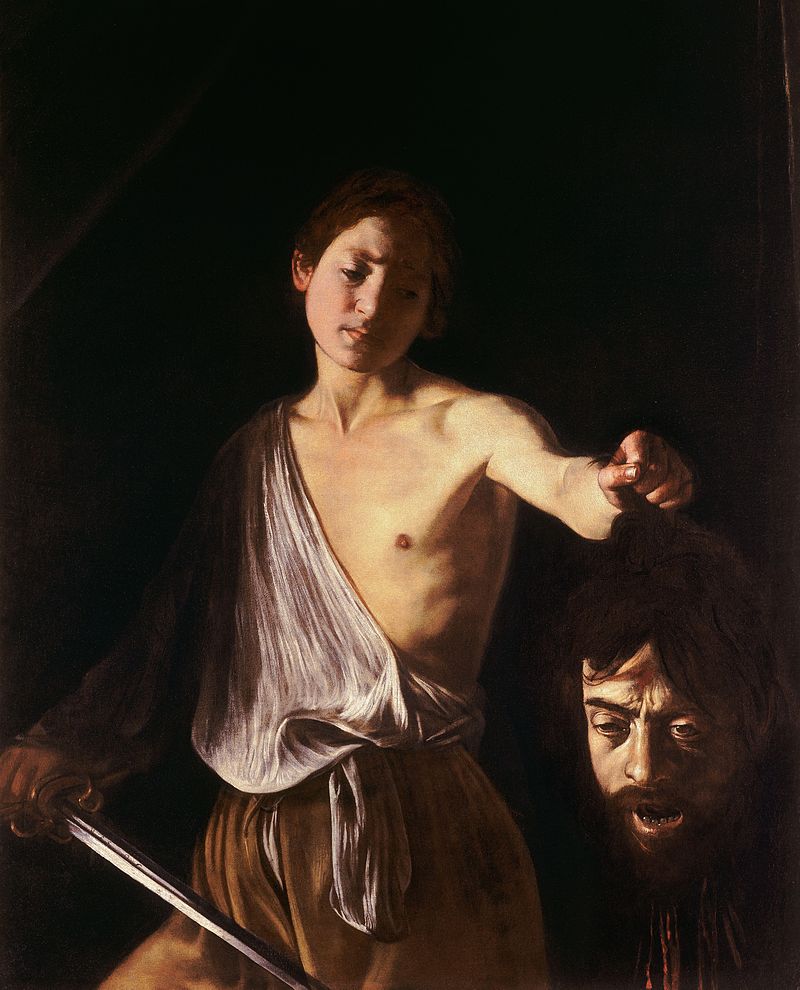
  • Caravaggio, David with the Head of Goliath (Rome, 1610)
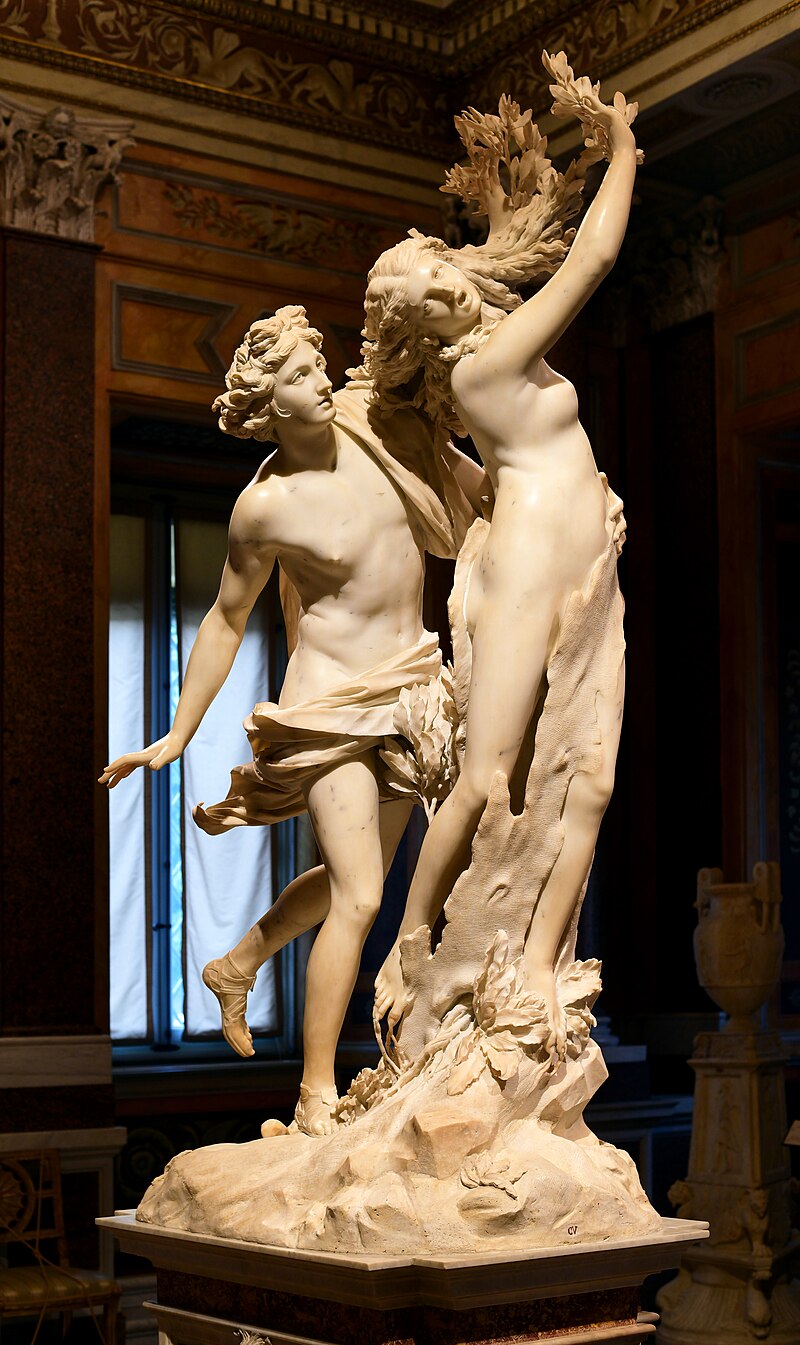
  • Bernini, Apollo and Daphne (Rome, 1625)
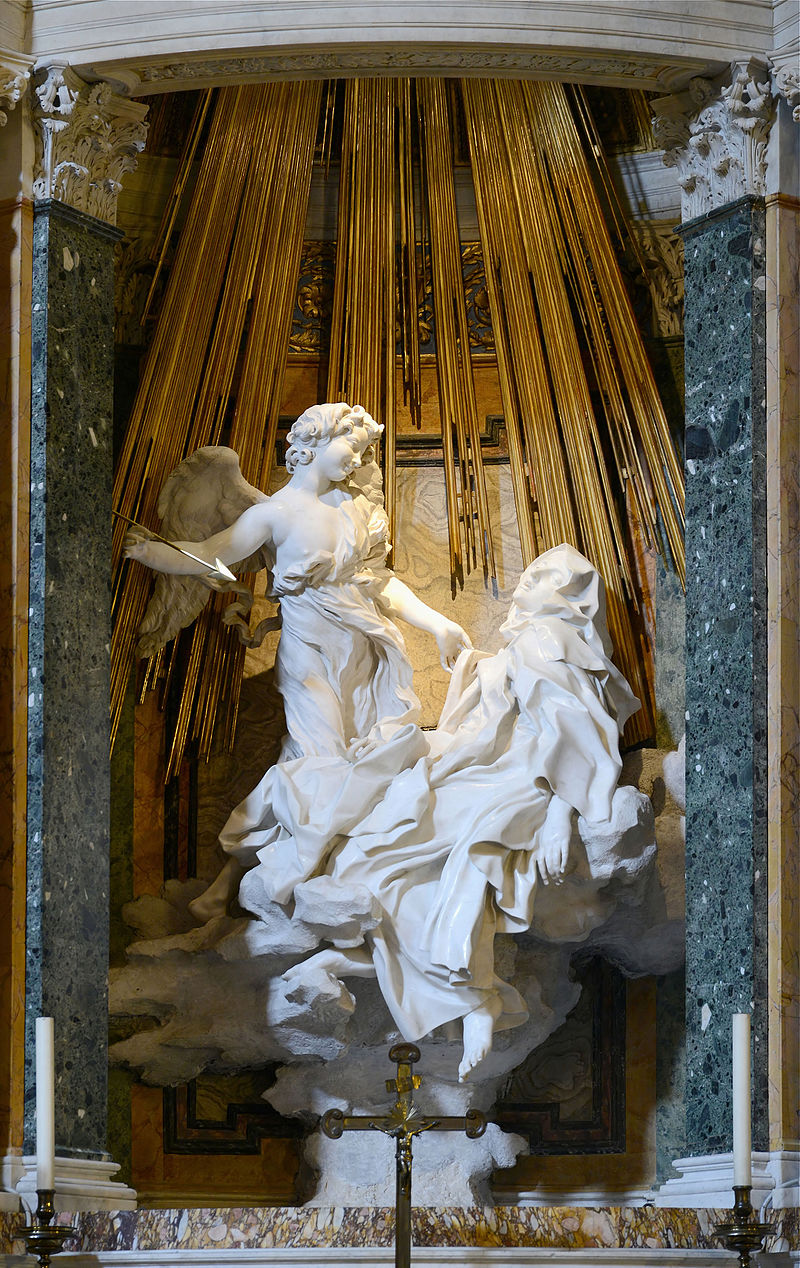
  • Bernini, The Ecstasy of Saint Teresa (Rome, 1652)

Writing: Respond to ONE of the following prompts:

  1. Focus our attention on a compelling detail from one of the artworks above, and comment on what makes it appealing.
  2. Based on your reading in Strickland or elsewhere, post the image of a Baroque artwork and (briefly) make the case for why it should be included on today’s assignment.

Class 10.1

The Politics of Healing

Reading: Shakespeare, The Tempest Acts 4-5.

Writing: I’m using the same prompts from last time, but applied to the play’s resolution in Acts 4 and 5. Respond to ONE of the following prompts. Keep your response short, posting as a reply under the appropriate heading in the comments section:

  1. In lecture I suggested that you watch for moments that play upon kingship and other social orders as shared fictions. Quote such a moment and comment on the idealism, folly or cynicism of the enterprise.
  2. In lecture I also admonished you to watch for moments where theatrical performance is said to have a educative or moral function. Quote such a moment and comment on the idealism, folly or cynicism of the enterprise.
  3. Shakespeare can be weird. Call our attention to an oddity in need of explanation.

Lecture 10

The Antiquities Craze in Italy

Reading: Strickland 32-45.

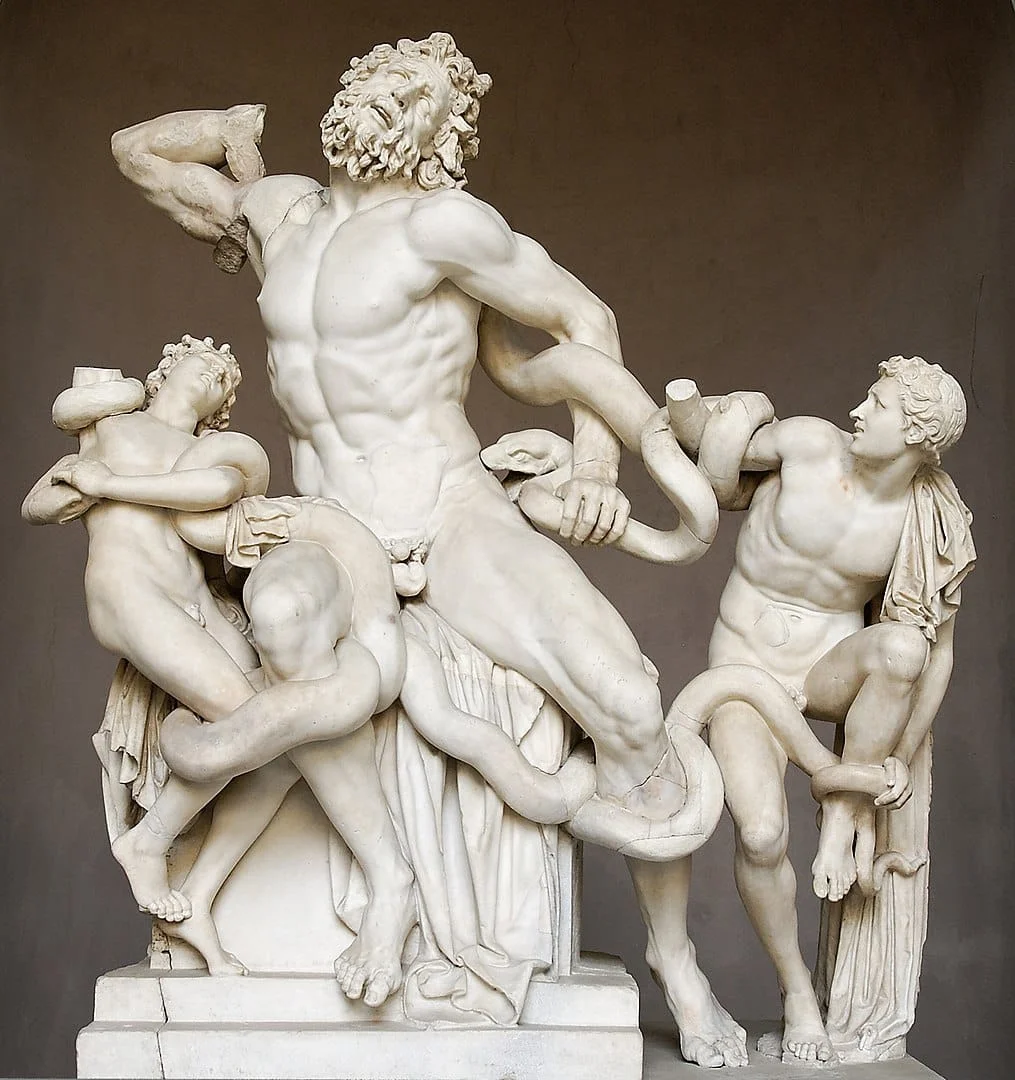
Viewing/Reading: Kelly Grovier on the Laocoön: link.

Viewing:

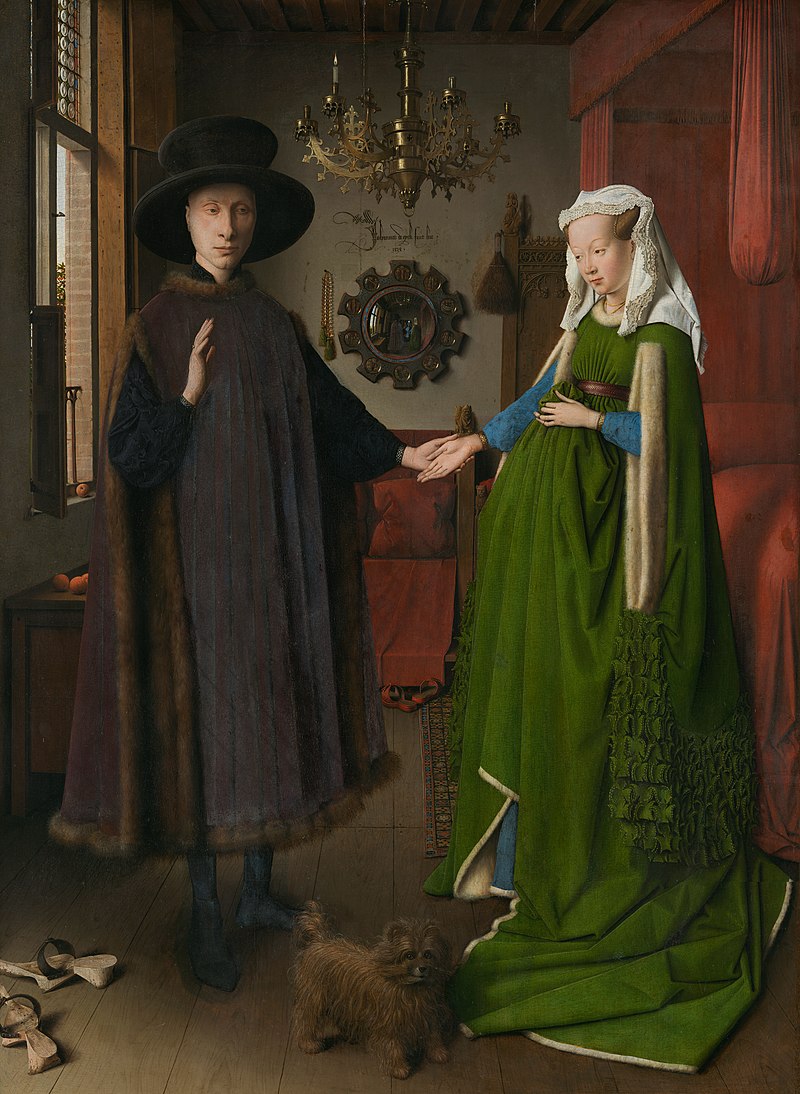
  • Van Eyck, The Arnolfini Portrait (Bruges, 1434)
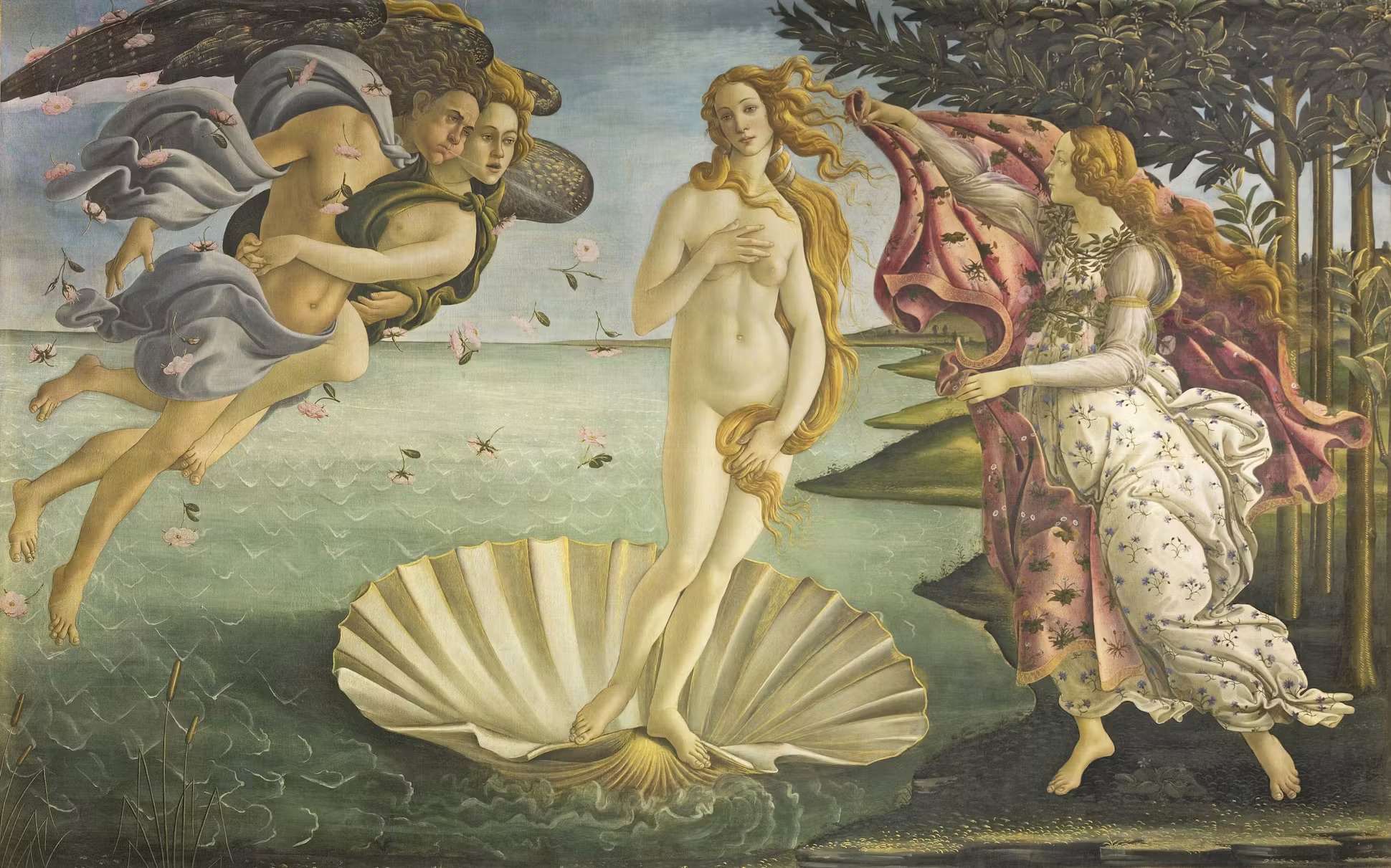
  • Botticelli, Birth of Venus (Florence, 1482)
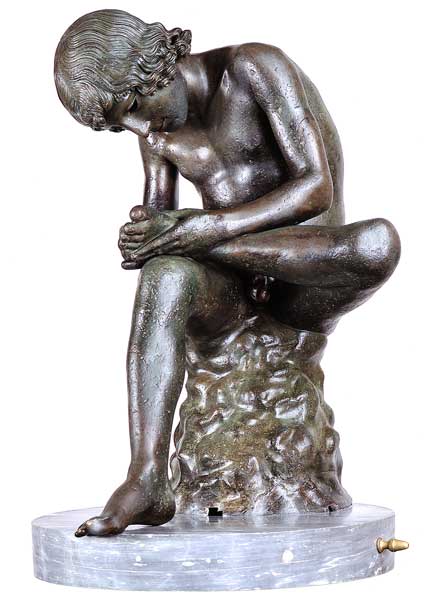
  • Unknown, Spinario (Rome, 1st Cen BC)
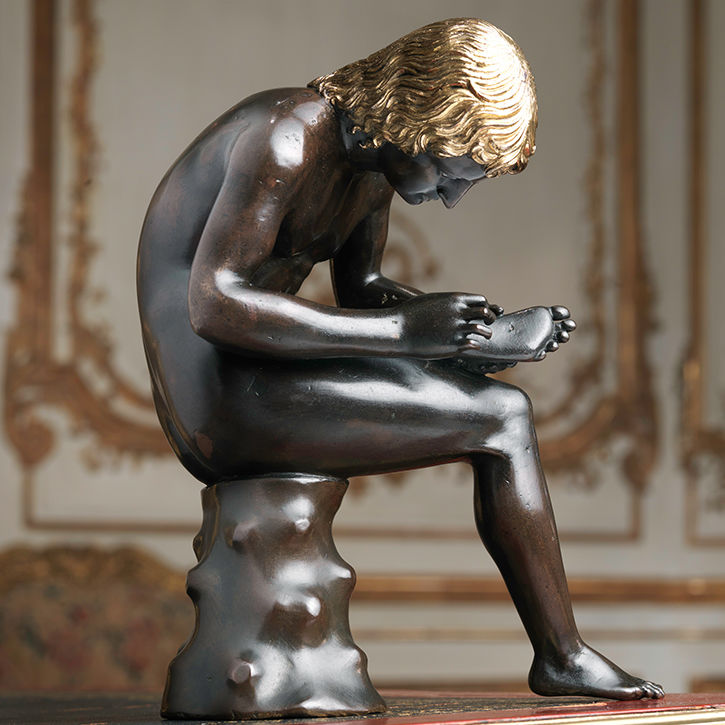
  • Antico, Spinario (Mantua, c.1501)
  • Unknown, Laocoon (1st Cen BC)
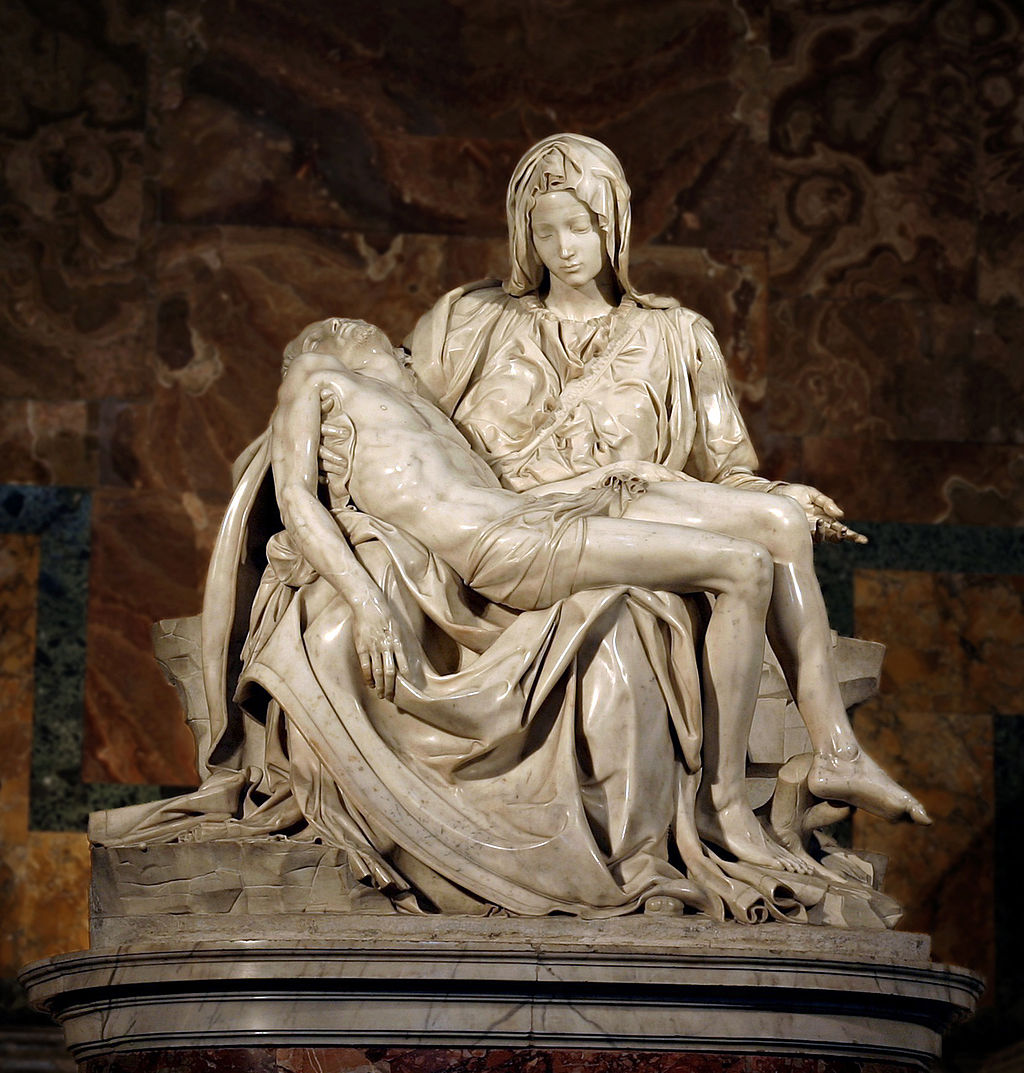
  • Michelangelo, Pietà (Rome, 1499)
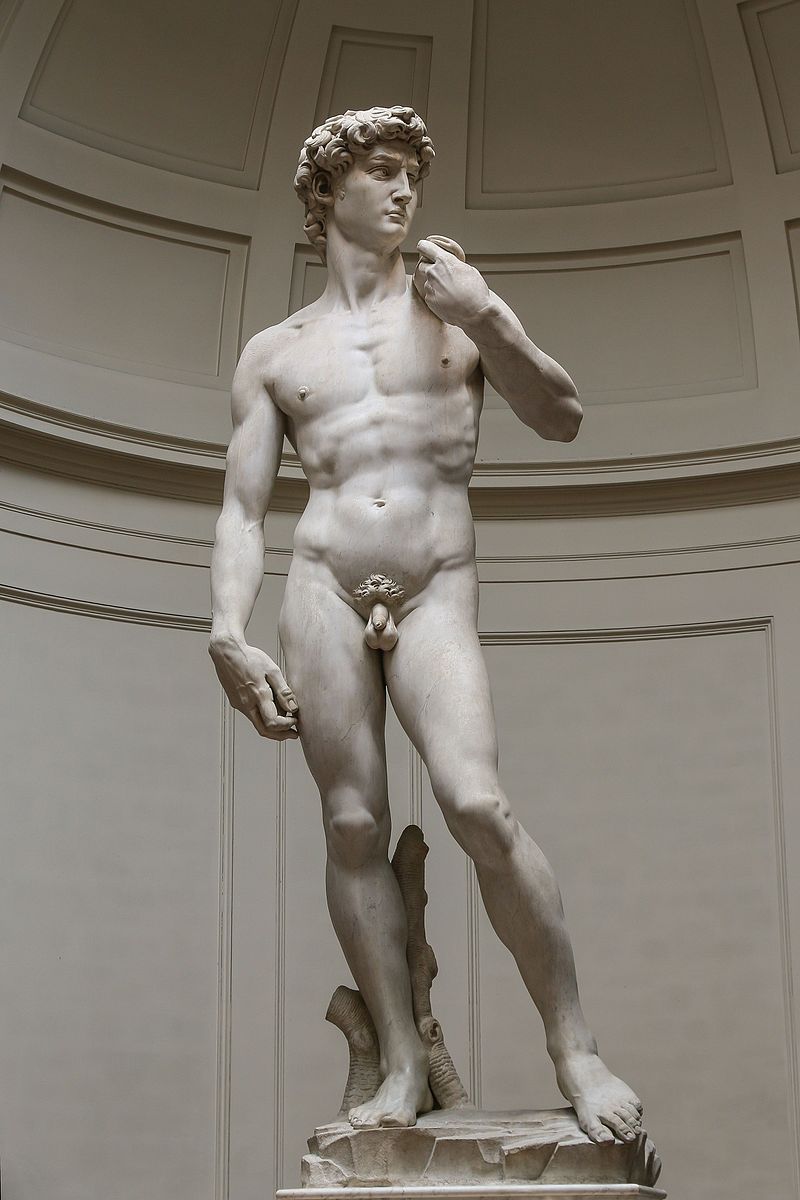
  • Michelangelo, David (Florence, 1499)
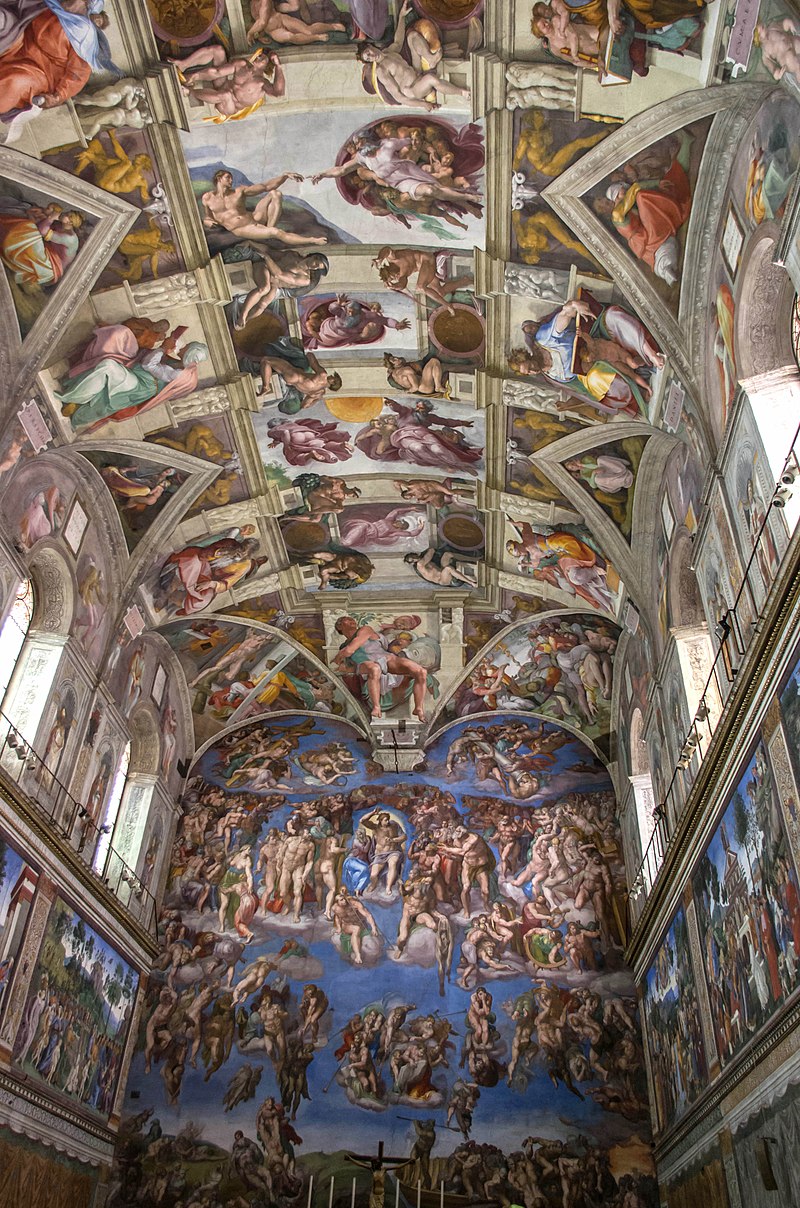
  • Michelangelo, Sistine Chapel ceiling (Rome, 1512) and Last Judgement (1541)
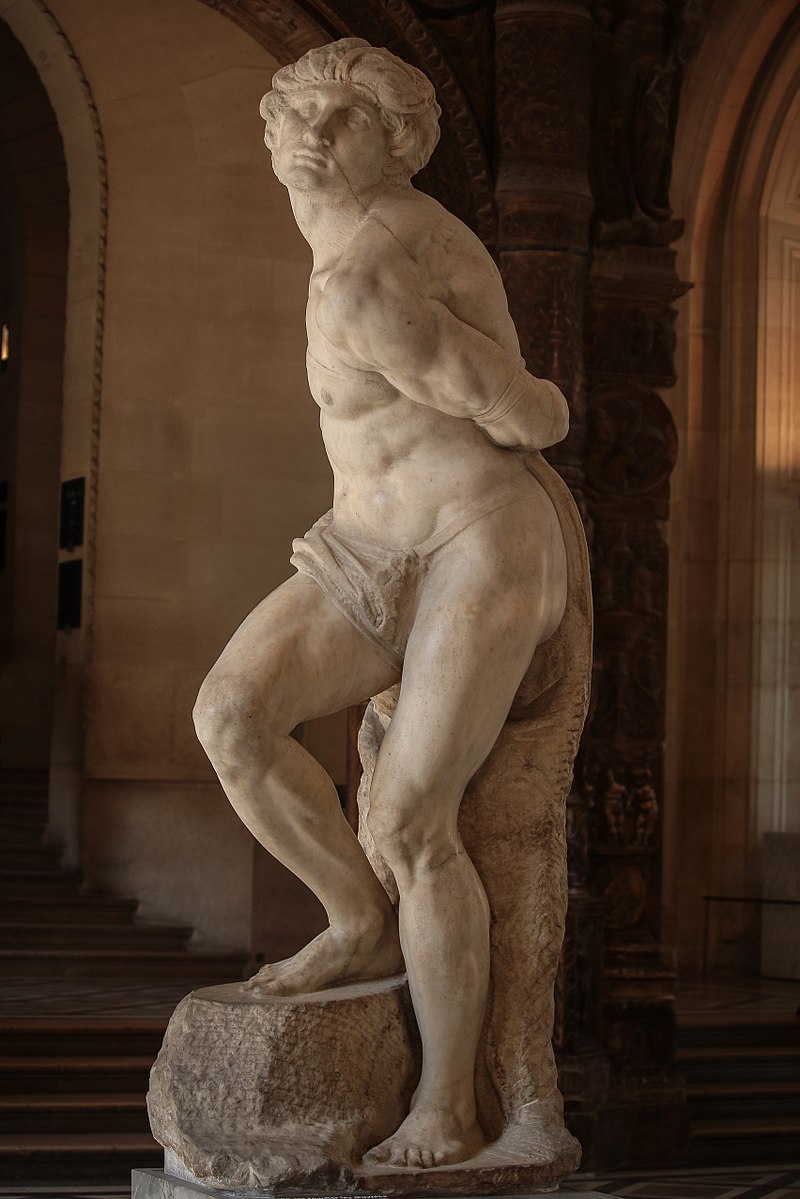
  • Michelangelo, The Rebellious Slave (Rome, 1513)
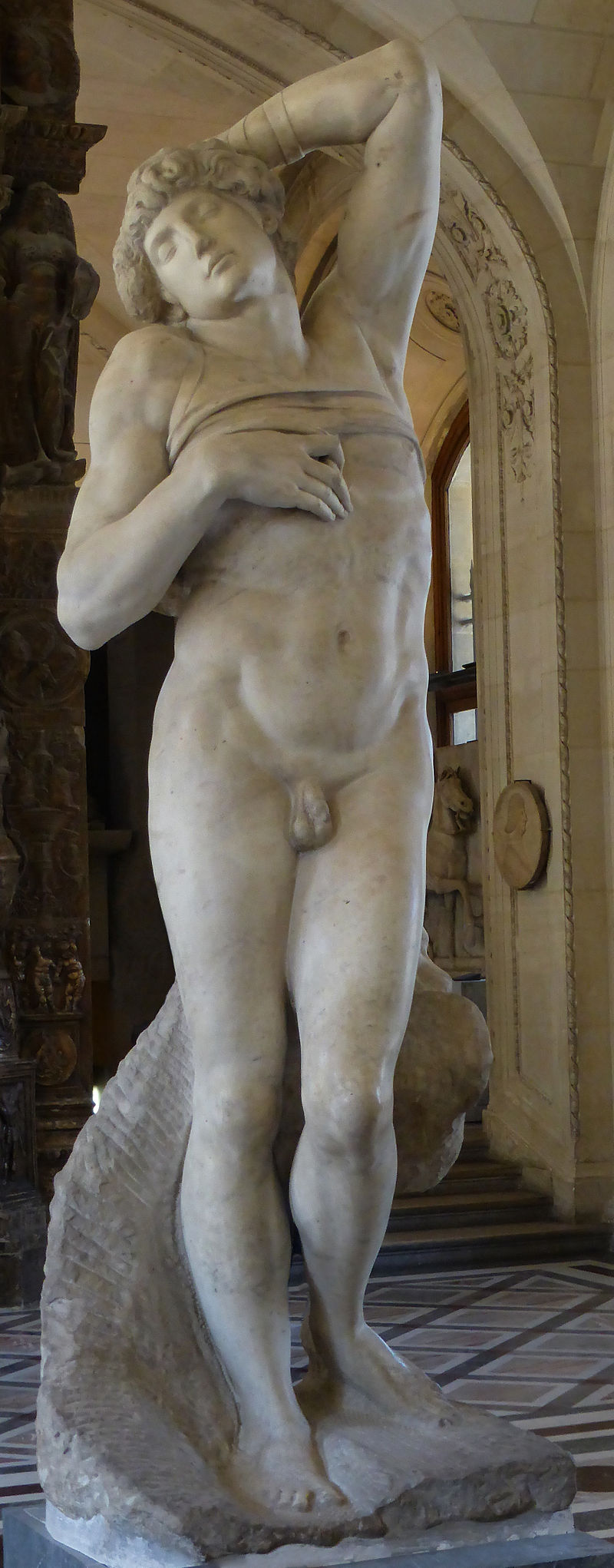
  • Michelangelo, The Dying Slave (Rome, 1516)
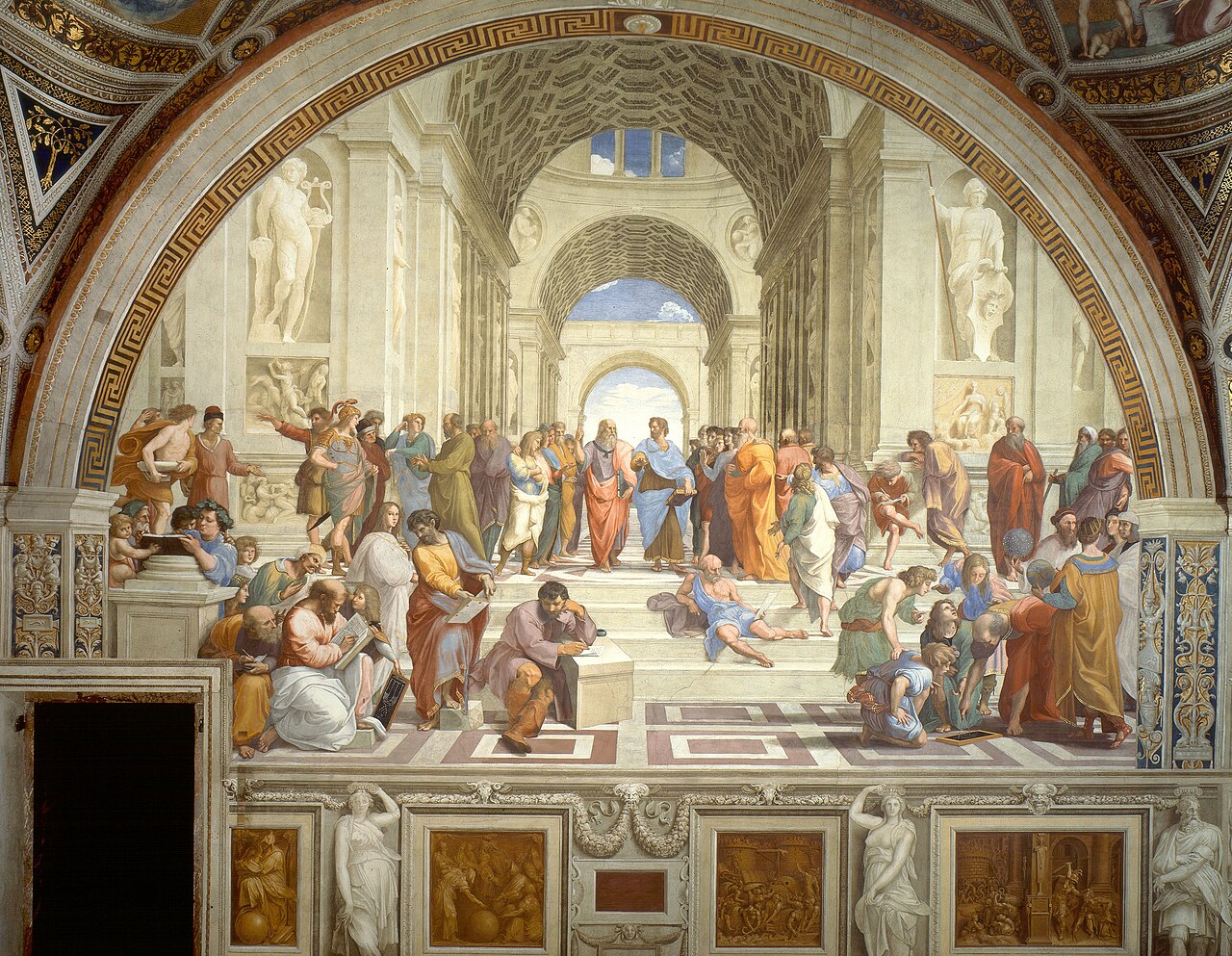
  • Raphael, The School of Athens (Rome, 1511)
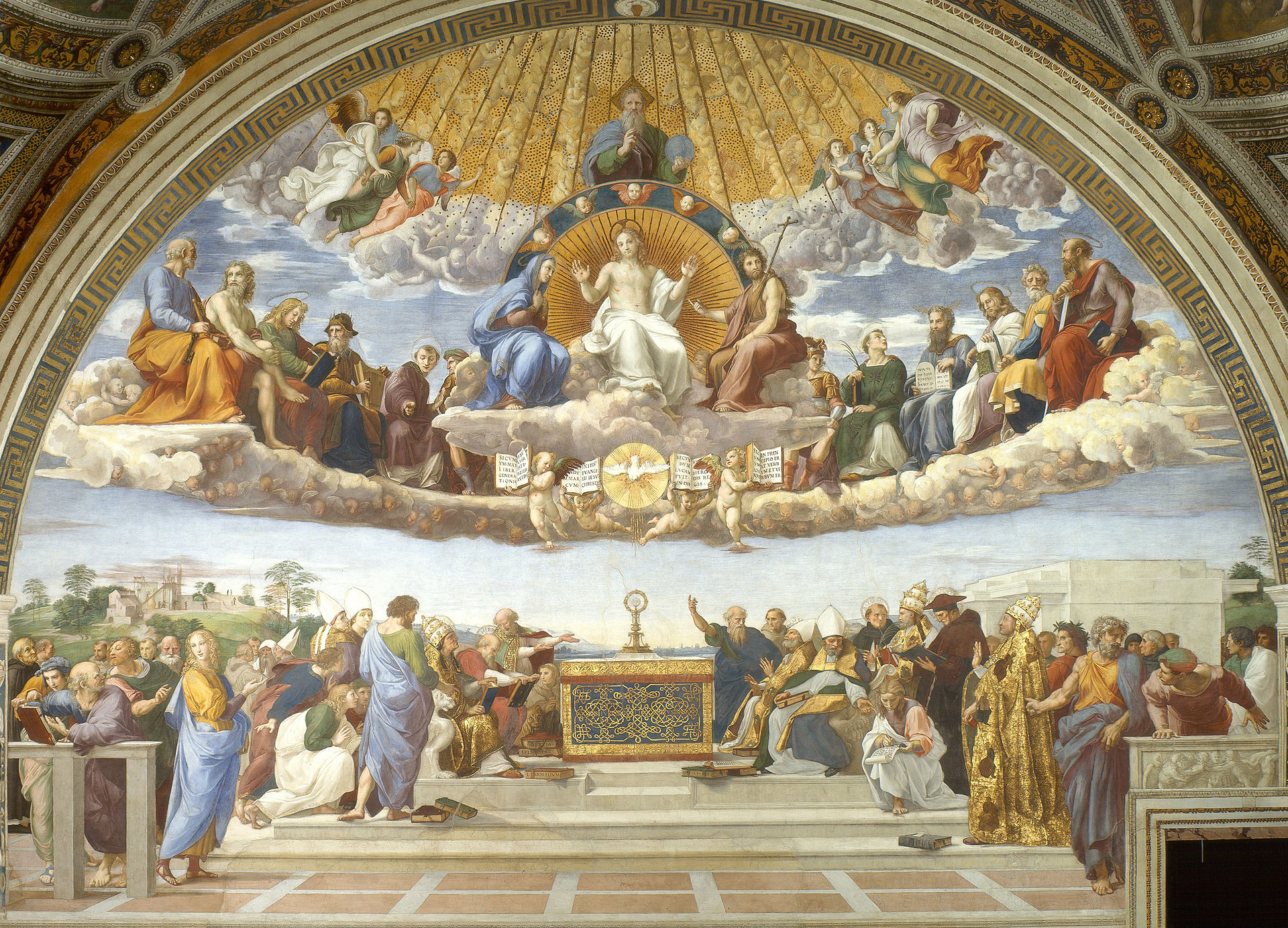
  • Raphael, The Disputation of the Sacrament (Rome, 1510)

Writing: Respond to ONE of the following prompts. Keep your response short, posting as a reply under the appropriate heading in the comments section:

  1. Focus our attention on a compelling detail from one of the artworks above, and comment on what makes it appealing.
  2. Based on your reading in Strickland or elsewhere, post the image of a Renaissance artwork and (briefly) make the case for why it should be included on today’s assignment.
  3. Given Grovier’s story of Michelangelo witnessing the discovery of the Laocoon, what trace of its influence can you find in his sculptures?

Class 9.2

The Politics of Rebellion

Reading: Shakespeare, The Tempest Acts 2-3. OR consider viewing a 2013 Globe production of the play, available for £10 here. (This is a purchase, not a rental, so you don’t just have a 48 hour window to watch it.)

Viewing: RSC exploration of the humor, drama and rhythms of The Tempest 2.2: link.

Writing: Respond to ONE of the following prompts, drawing from the material in Acts 1-3 (save the last two Acts for next class). Keep your response short, posting as a reply under the appropriate heading in the comments section:

  1. In lecture I suggested that you watch for moments that play upon kingship and other social orders as shared fictions. Quote such a moment and comment on the idealism, folly or cynicism of the enterprise.
  2. In lecture I also admonished you to watch for moments where theatrical performance is said to have a educative or moral function. Quote such a moment and comment on the idealism, folly or cynicism of the enterprise.
  3. Shakespeare can be weird. Call our attention to an oddity in need of explanation.

Class 9.1

The Sociology of Court Life

Viewing:
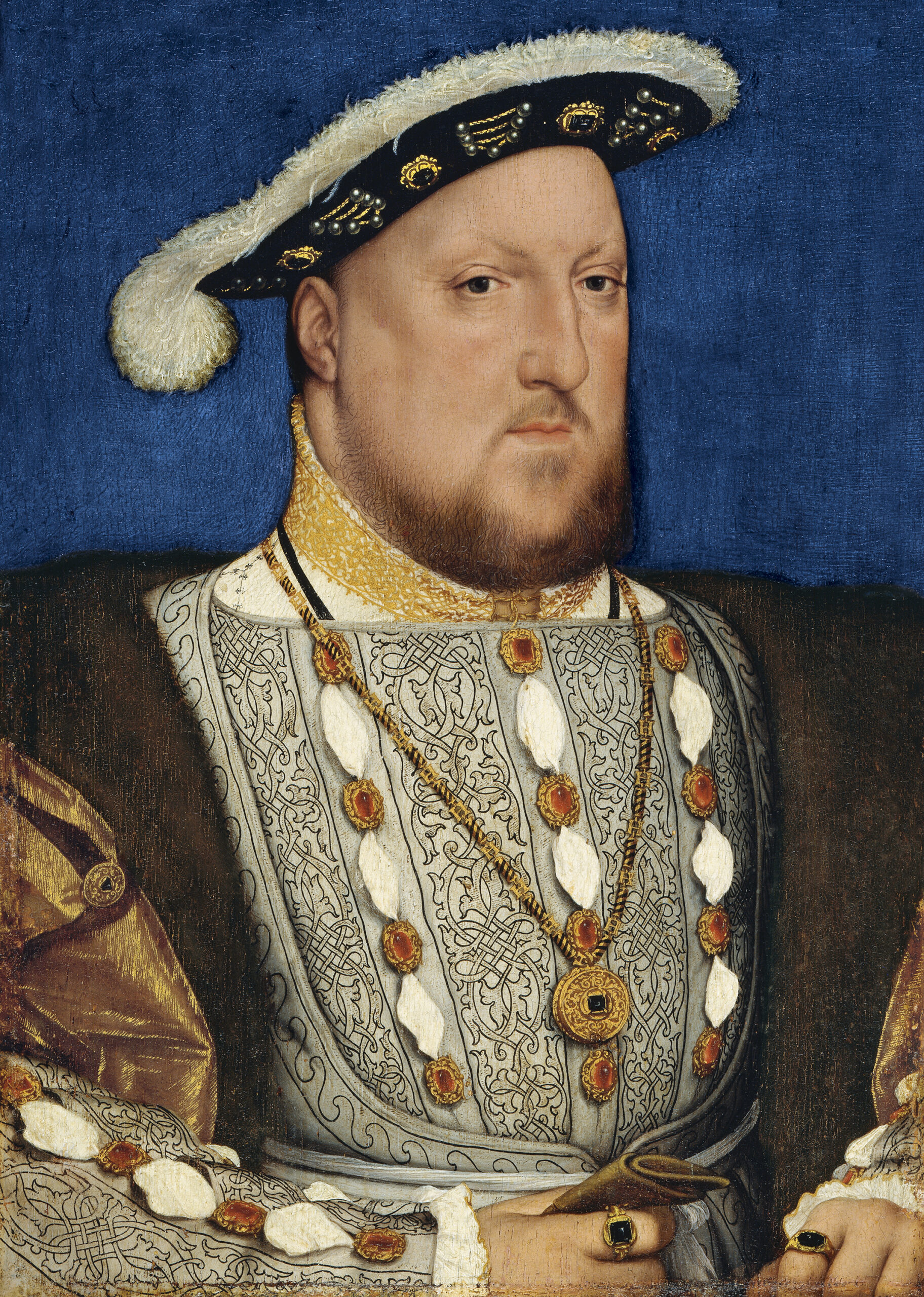
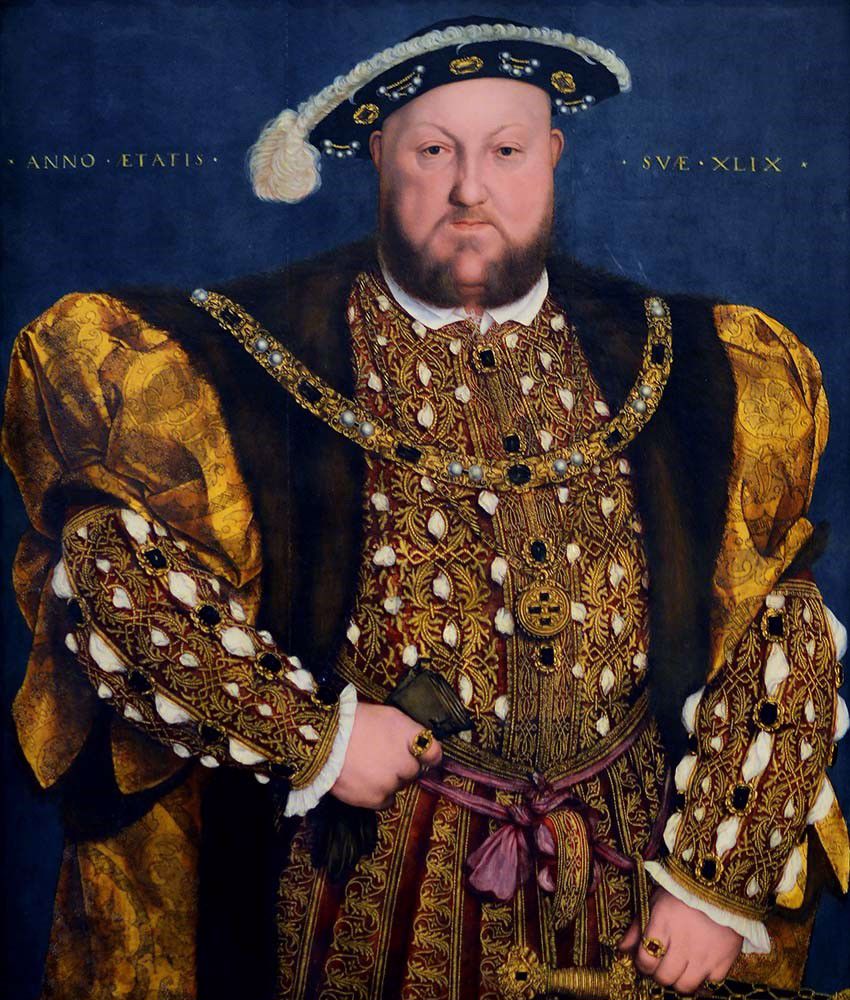
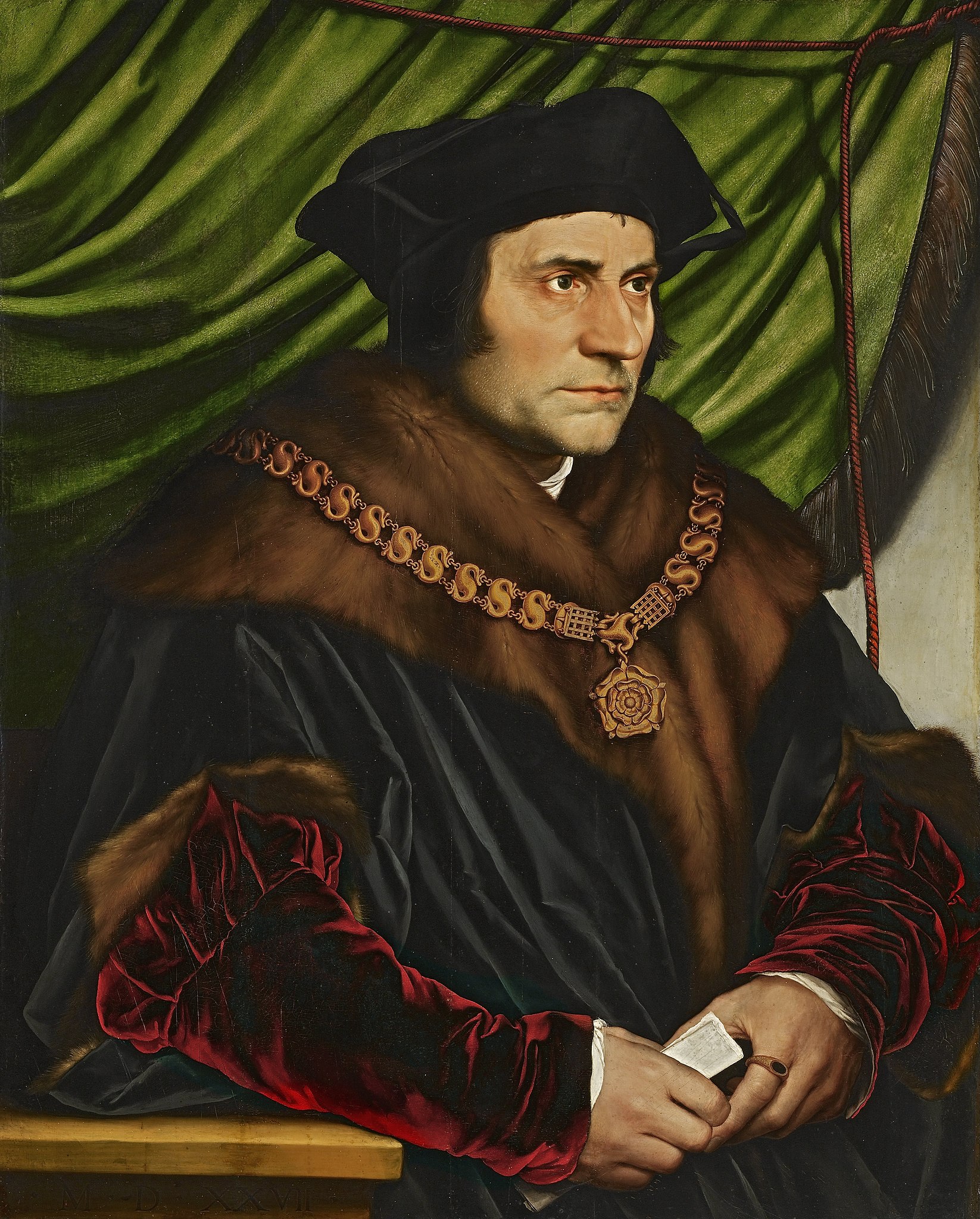
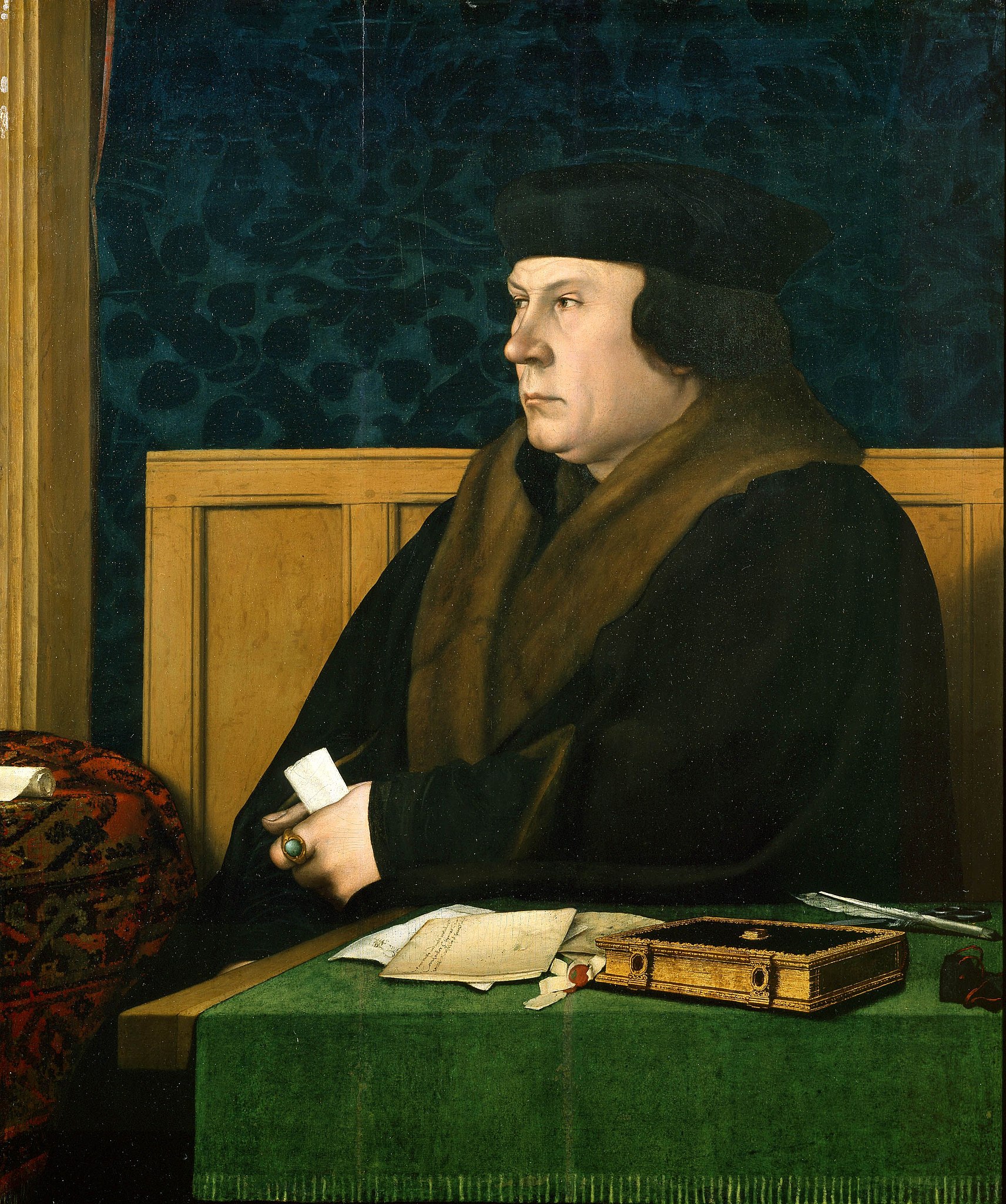
Portraits from the Court of Henry VIII

  • Hans Holbein the Younger, Henry VIII (c1534)
  • Hans Holbein the Younger, Henry VIII (1540)
  • Hans Holbein the Younger, Thomas More (1527)
  • Hans Holbein the Younger, Thomas Cromwell (c1532)
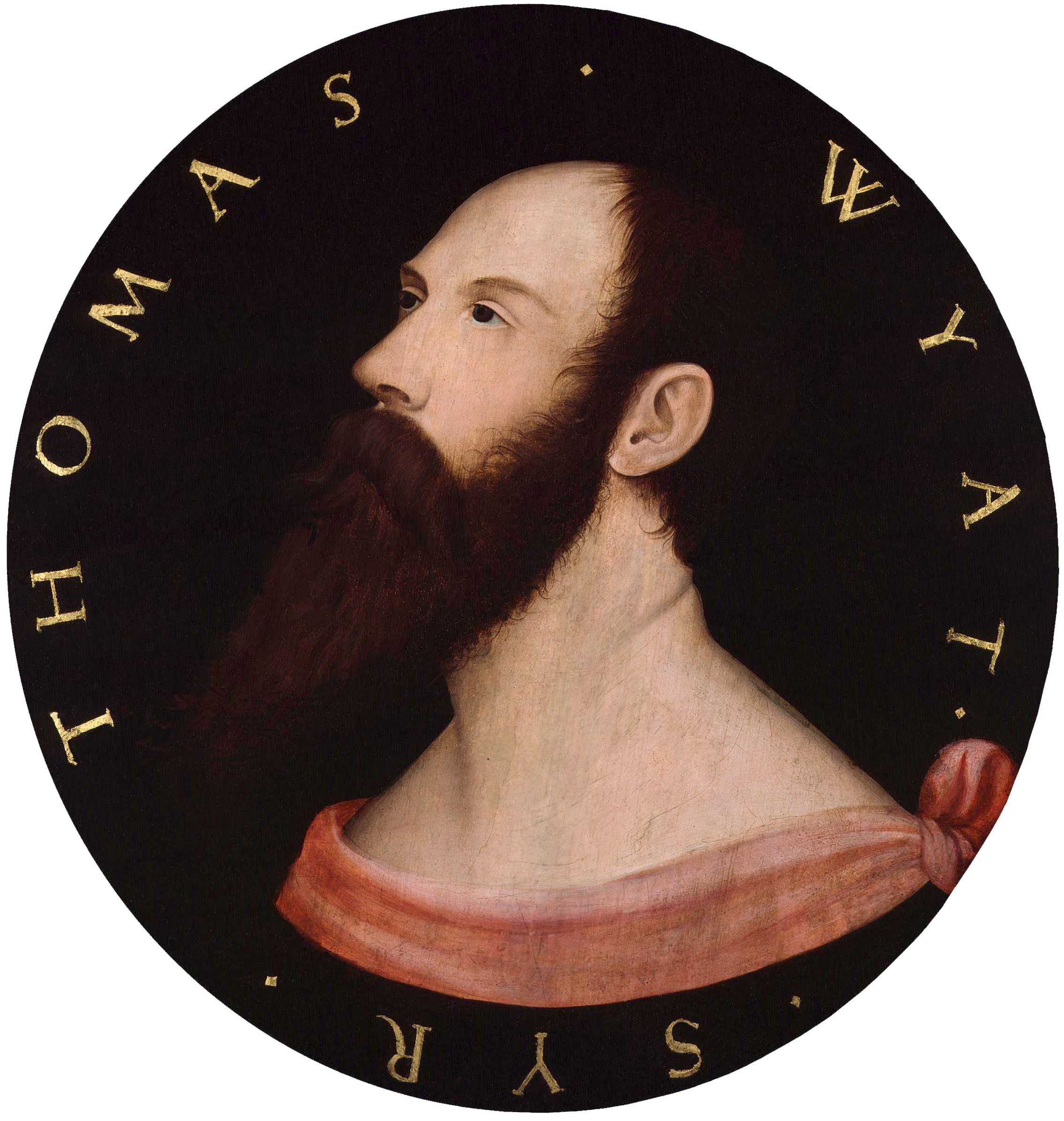
  • Unknown, after Hans Holbein the Younger, Sir Thomas Wyatt (c1540)
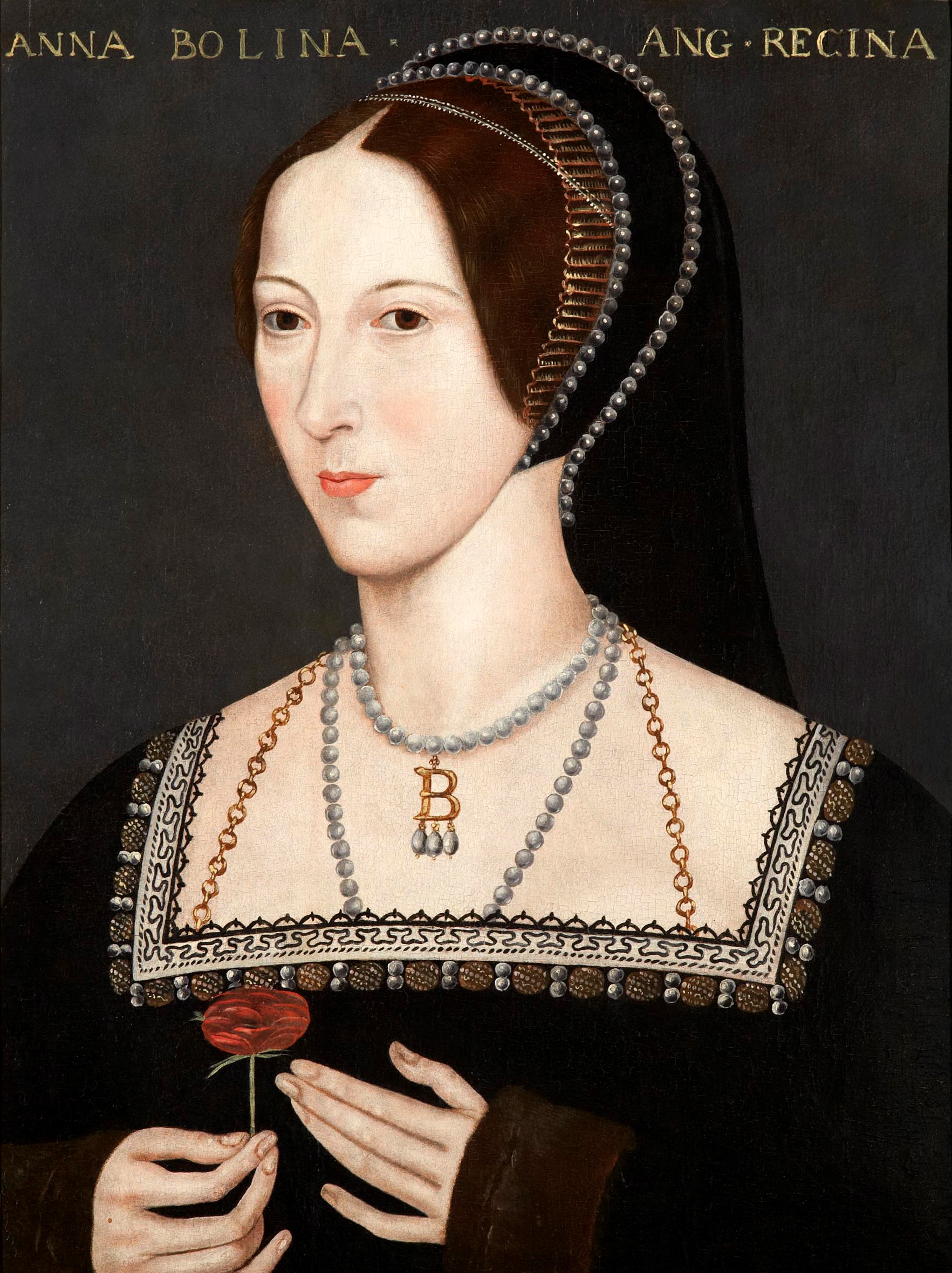
  • Unknown, 1550 copy of contemporary portrait, Anne Boleyn (c1534)
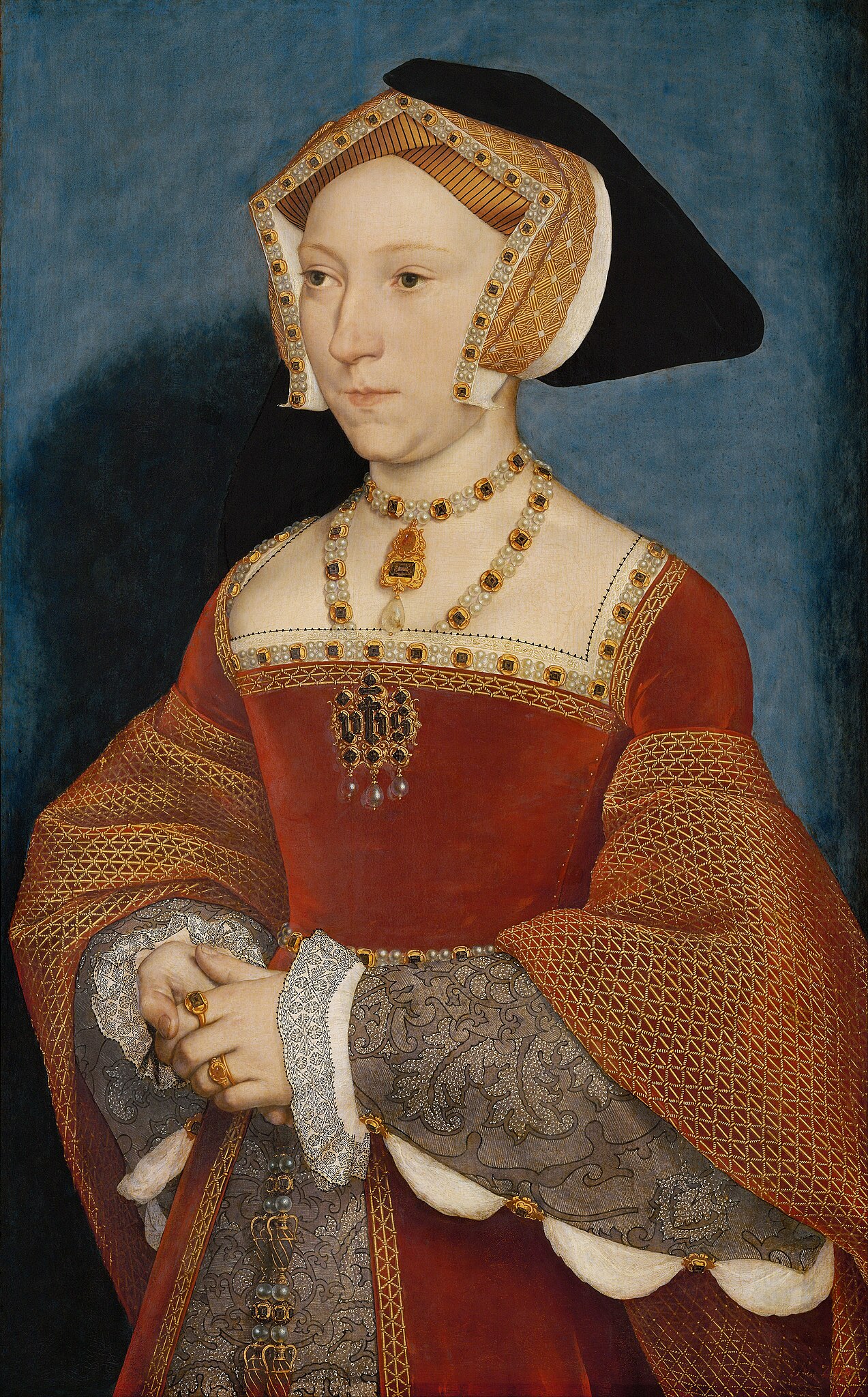
  • Hans Holbein the Younger, Jane Seymour, Queen of England (1536)
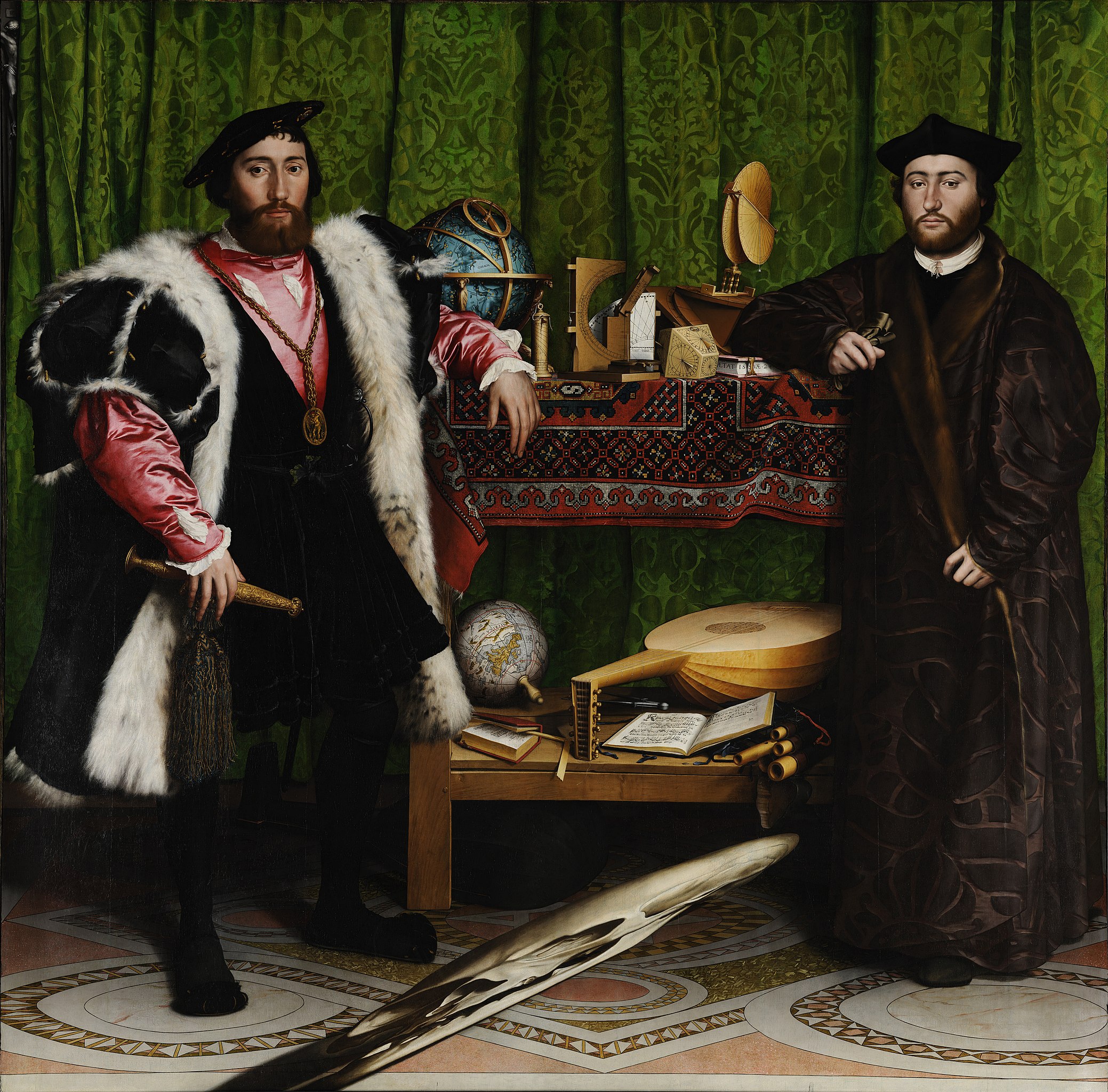
  • Hans Holbein the Younger, The Ambassadors (1533)

Reading:

Writing: Respond to ONE of the following prompts. Keep your response short, posting as a reply under the appropriate heading in the comments section:

  1. Wyatt’s and Raleigh’s poems each respond to an earlier work, by Petrarch and Marlowe respectively. Focusing on ONE of these two instances of literary influence, how would you characterize the later poet’s relationship to the earlier one? Try to find a strong word (for instance “reverential” rather than merely “imitative”) and point to specific language in the poems to justify your characterization.
  2. Considering the portraits, how does the king’s portrait differ from those of his courtiers—or those of his wives? In characterizing this pattern, point to specific details in the images.

Lecture 9

The Globe Theatre

The Globe was founded in 1599 by Shakespeare’s theatrical company, the Lord Chamberlain’s Men, about a decade in to his 25-year career as a playwright. Located on the south bank of the Thames River alongside houses of prostitution and bear-baiting, the building was readily accessible to city dwellers while remaining just outside the legal jurisdiction of the City’s devout middle-class civic leadership.

The Globe was rebuilt in 1997 in an effort to replicate the original theatrical experience, one quite different from the expectations of modern audiences. We’re used to sitting placidly while the actors do their thing up on stage—not really so different from watching a movie. But the Globe Theatre’s stage is thrust forward into a sea of spectators. Actors speak to the audience as much as to one another, often interacting in the manner of standup comics. To give you a sense of this, I’m assigning a few introductory videos alongside the play’s first act.

Viewing: a 9-minute discussion of the significance of the Globe’s physical design for Shakespeare’s plays, by Harvard professor Stephen Greenblatt: link.

Optional Viewing: if you want to really immerse yourself in the Elizabethan world of Shakespeare’s era, check out this 45-minute documentary originally released as a bonus feature accompanying the DVD for the 1998 Shakespeare in Love: link.

Reading: Shakespeare, The Tempest Act I. OR consider viewing a 2013 Globe production of the play, available for £10 here. (This is a purchase, not a rental, so you can watch it over the course of a week.)

Writing: Respond to the following prompt, keeping your response short:

  • We’re introduced to a host of characters in Act I. How does Shakepeare individuate them? Quote a line or phrase spoken by a character and comment on how those words serve to express social standing and/or personality.