Class 11.1

Cogito, Ergo Sum

Reading: Descartes, selections from the Discourse on Method (Blackboard).

Writing: Respond to ONE of the following prompts. Keep your response short, posting as a reply under the appropriate heading in the comments section:

  1. Comment on the way that Descartes presents himself to the reader, quoting a relevant passage. On what ground does he recommend his experience as worthy of our interest?
  2. In Part 2, Descartes introduces an architectural metaphor—one to which he recurs in Part 3. Quote a relevant line and then riff a bit on what this metaphor suggests as to the dimensions and implications of his intellectual project.
  3. In Part 4, we encounter the famous line “I think, therefore I am.” Except our translator has rendered it as “I am thinking, therefore I exist.” What does Maclean’s translation get right about the meaning of the Latin phrase, “cogito, ergo sum”? Alternatively, what does it miss that the traditional phrasing gets right?
  4. Having proven his own existence, Descartes goes on to argue the certainty of God’s existence. Quote a relevant line from this section and comment on the logic of his argument.
Lecture 11

The Freedom to Think

Reading: Kant, “An Answer to the Question, What is Enlightenment?” (Blackboard).

Writing: Respond to ONE of the following prompts. Keep your response short, posting as a reply under the appropriate heading in the comments section:

  1. Kant opens with a provocative claim, “Enlightenment is the human being’s emergence from his self-incurred minority.” Tease out his meaning—whether by reference to a dictionary or to what he goes on to say in later ¶s. Alternatively, comment on Kant’s rhetorical strategy in employing this metaphor.
  2. A page later, Kant suggests that enlightenment depends crucially on freedom. But what sort of freedom, exactly? And why does it require courage to exercise it?
  3. Comment on a detail or oddity that catches your eye.

Class 10.2

Baroque Art: Embracing Passion

Reading: Strickland 46-57.

Viewing:

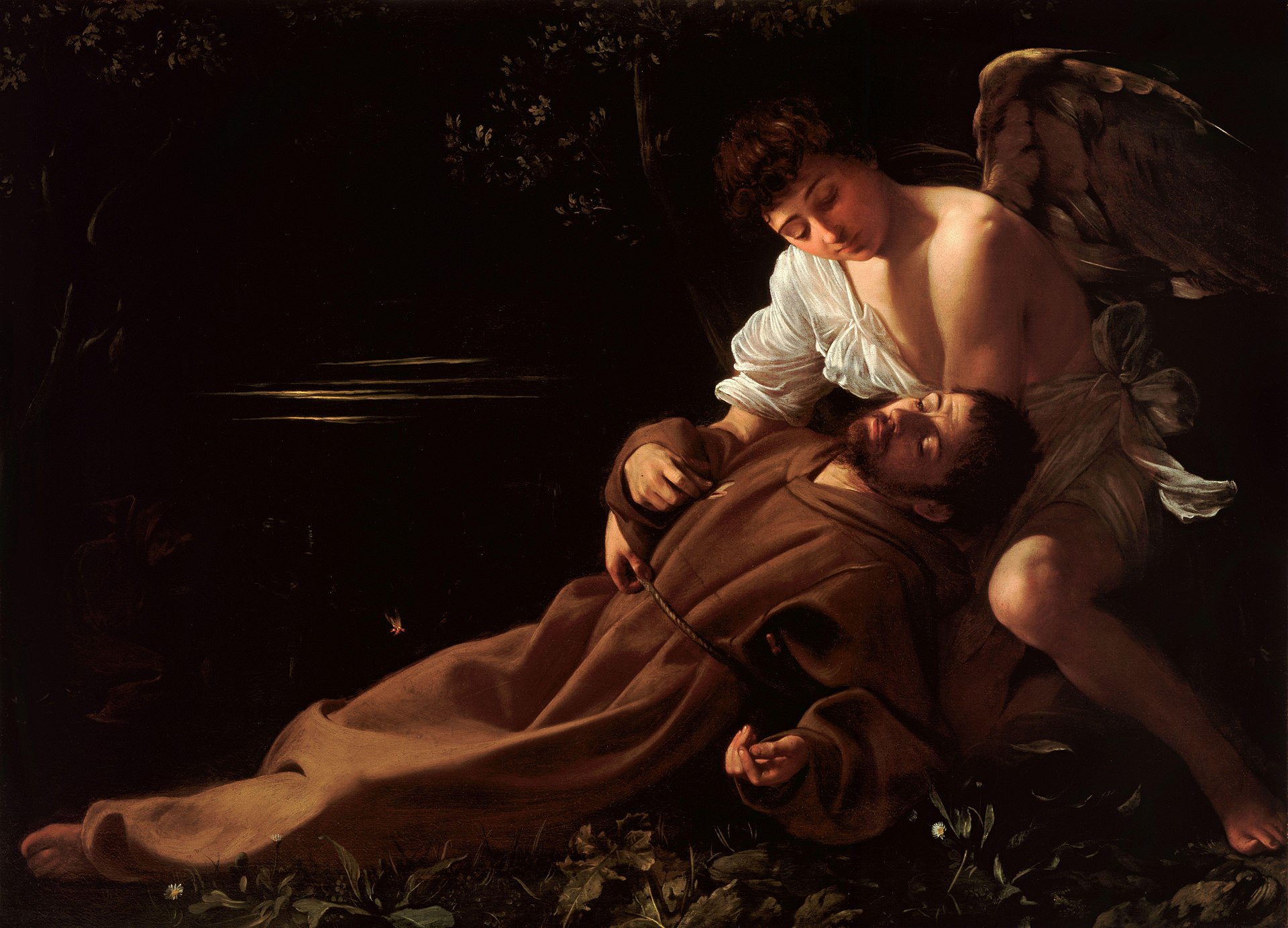
  • Caravaggio, Saint Francis of Assisi in Ecstasy (Rome, 1595)
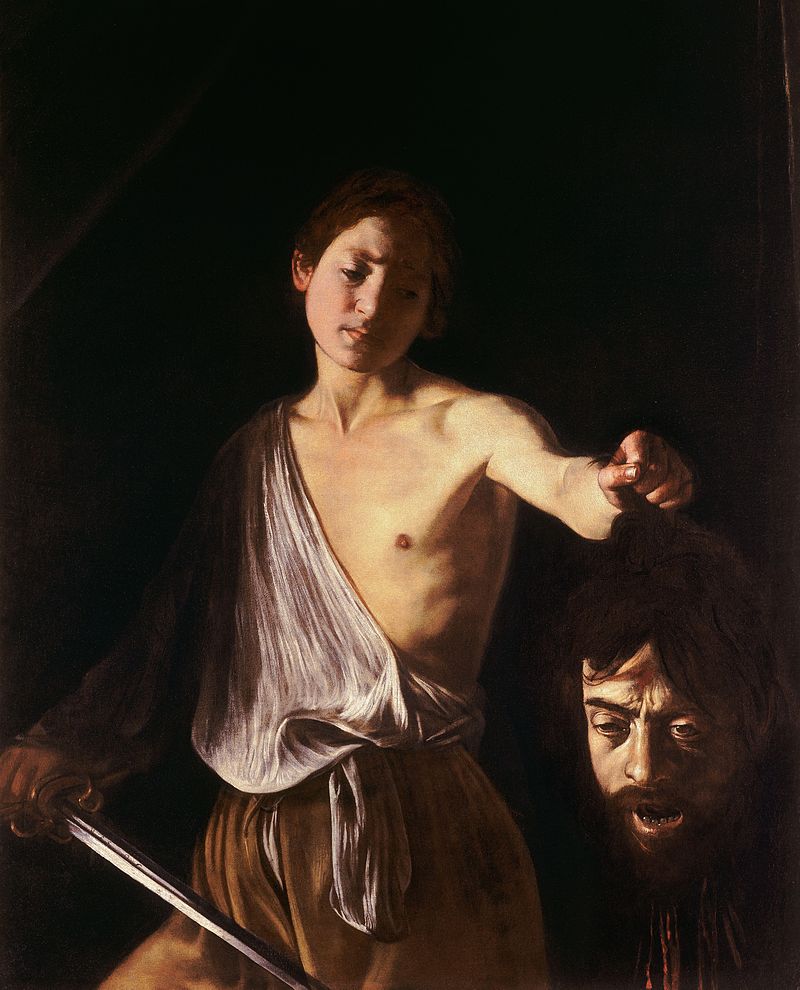
  • Caravaggio, David with the Head of Goliath (Rome, 1610)
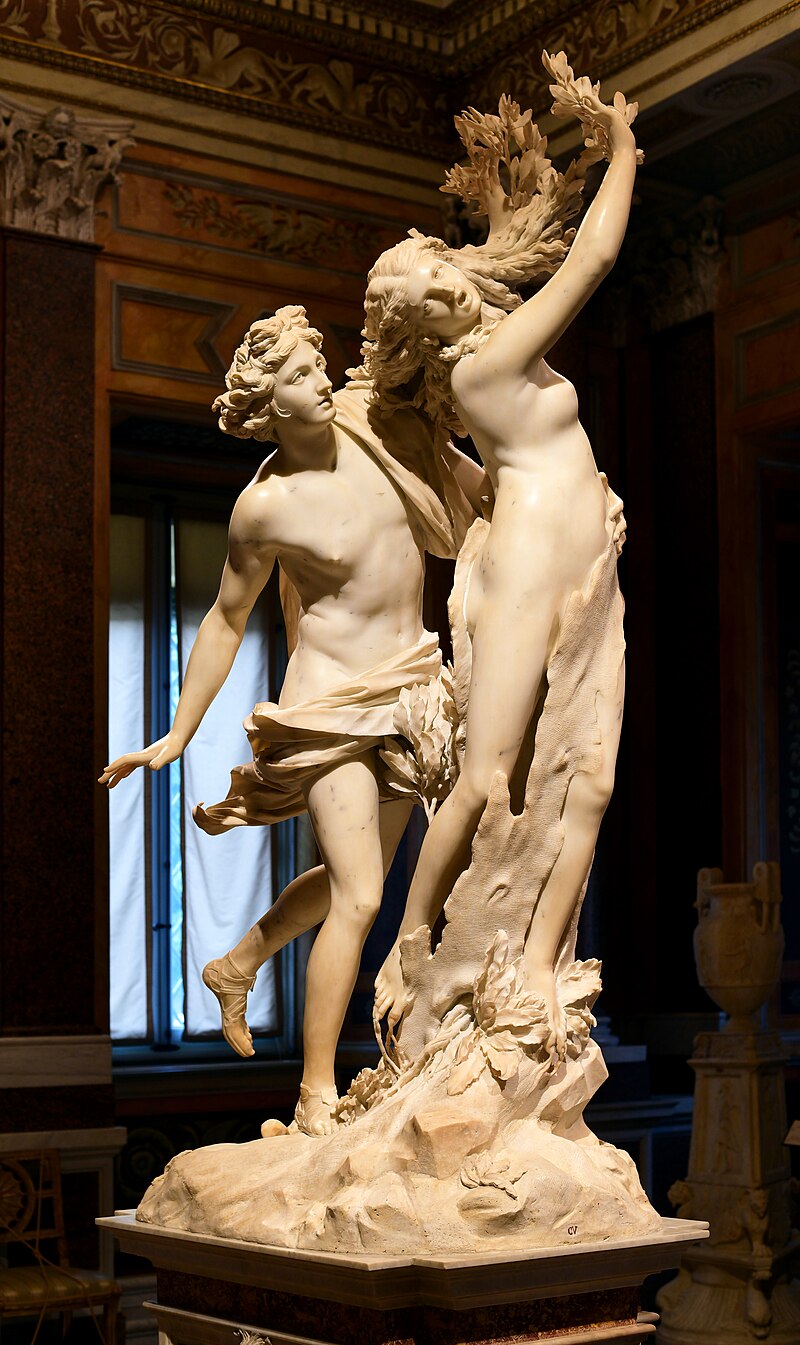
  • Bernini, Apollo and Daphne (Rome, 1625)
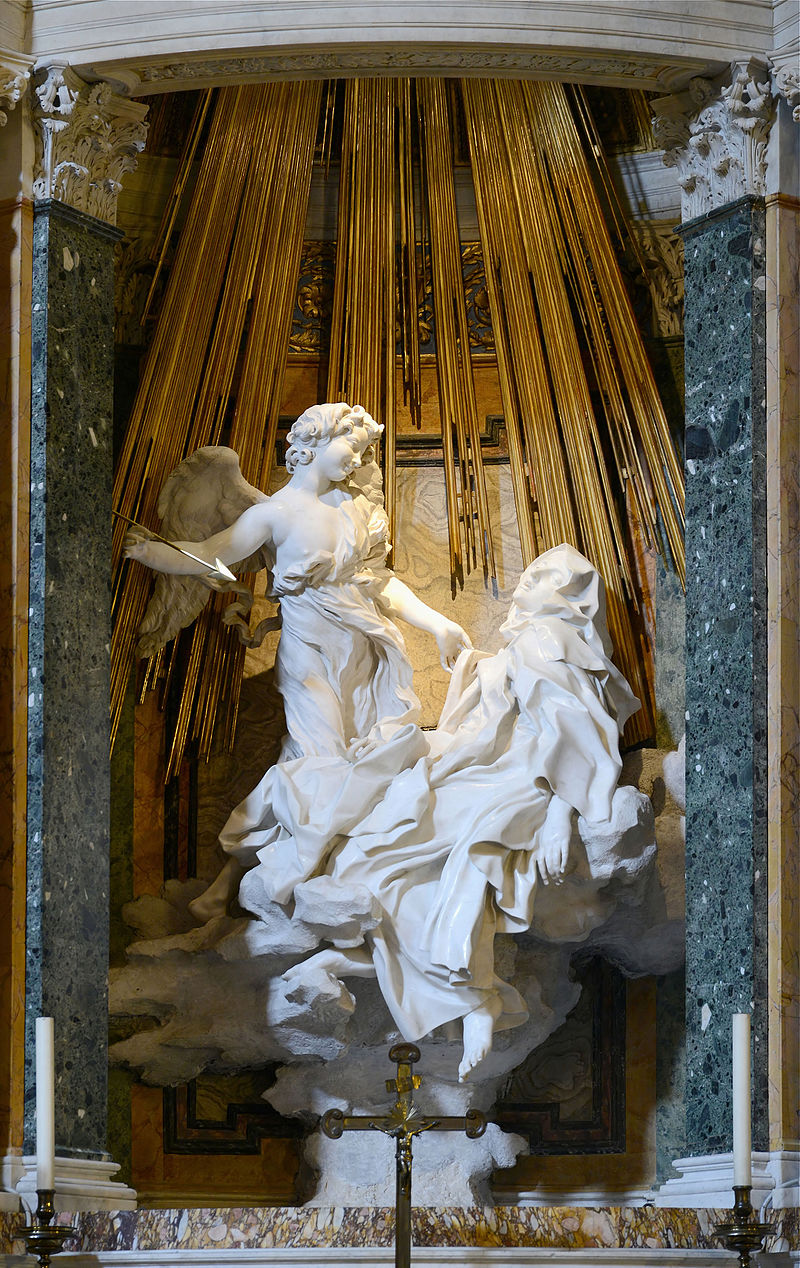
  • Bernini, The Ecstasy of Saint Teresa (Rome, 1652)

Writing: Respond to ONE of the following prompts:

  1. Focus our attention on a compelling detail from one of the artworks above, and comment on what makes it appealing.
  2. Based on your reading in Strickland or elsewhere, post the image of a Baroque artwork and (briefly) make the case for why it should be included on today’s assignment.

Class 10.1

The Politics of Healing

Reading: Shakespeare, The Tempest Acts 4-5.

Writing: I’m using the same prompts from last time, but applied to the play’s resolution in Acts 4 and 5. Respond to ONE of the following prompts. Keep your response short, posting as a reply under the appropriate heading in the comments section:

  1. In lecture I suggested that you watch for moments that play upon kingship and other social orders as shared fictions. Quote such a moment and comment on the idealism, folly or cynicism of the enterprise.
  2. In lecture I also admonished you to watch for moments where theatrical performance is said to have a educative or moral function. Quote such a moment and comment on the idealism, folly or cynicism of the enterprise.
  3. Shakespeare can be weird. Call our attention to an oddity in need of explanation.

Lecture 10

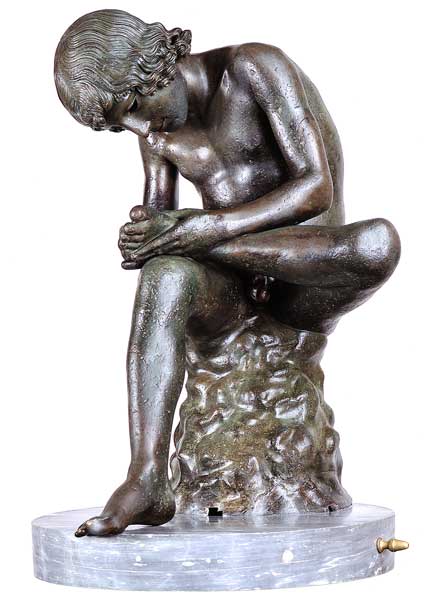
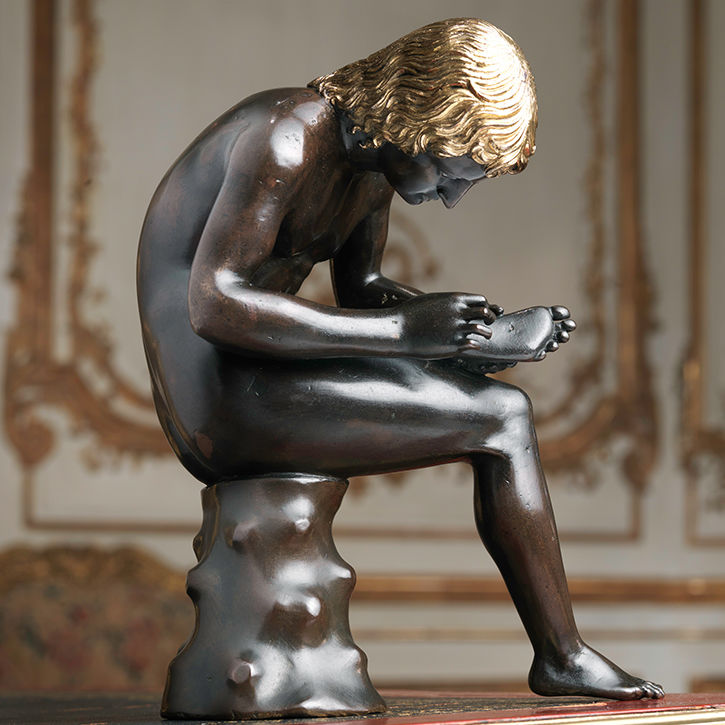
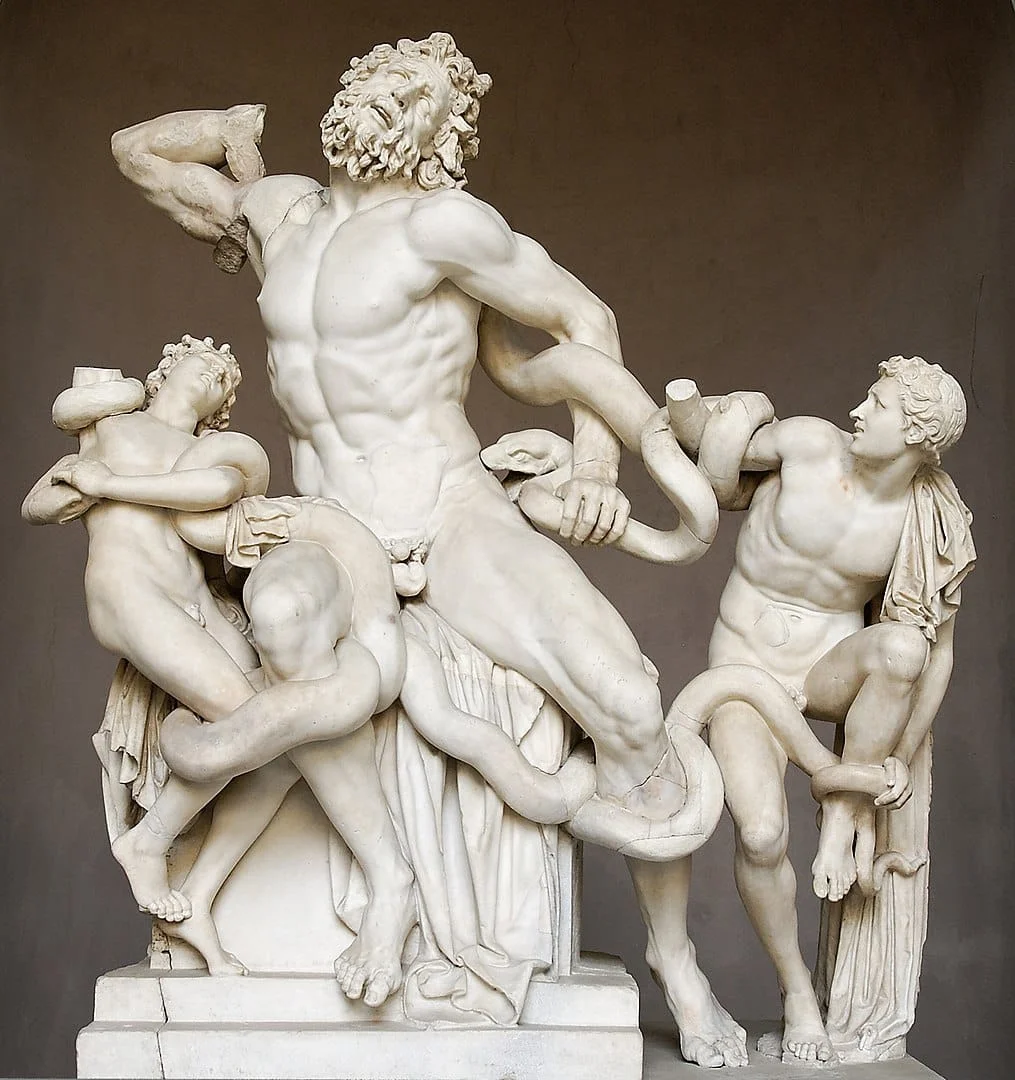
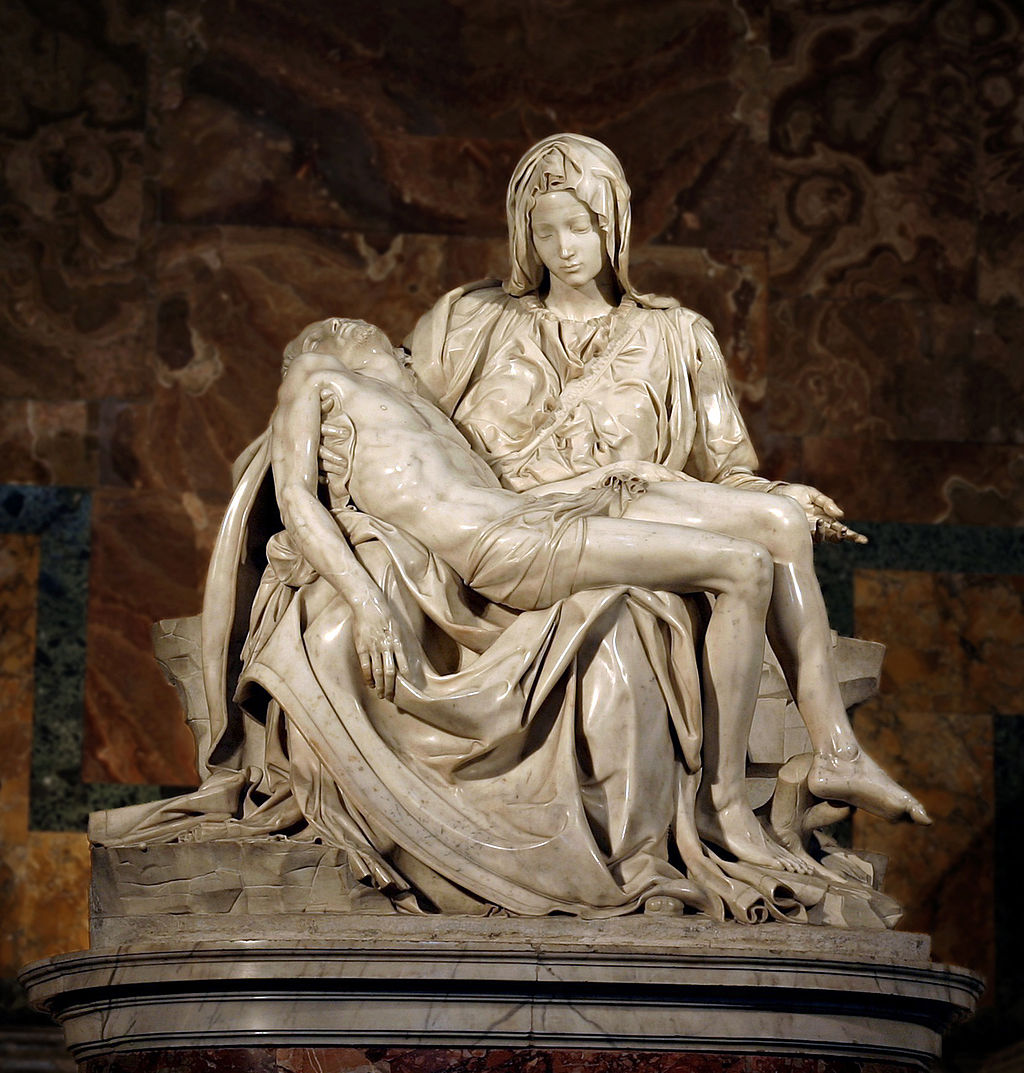
The Antiquities Craze in Italy

Reading: Strickland 32-45.

Viewing/Reading: Kelly Grovier on the Laocoön: link.

Viewing:

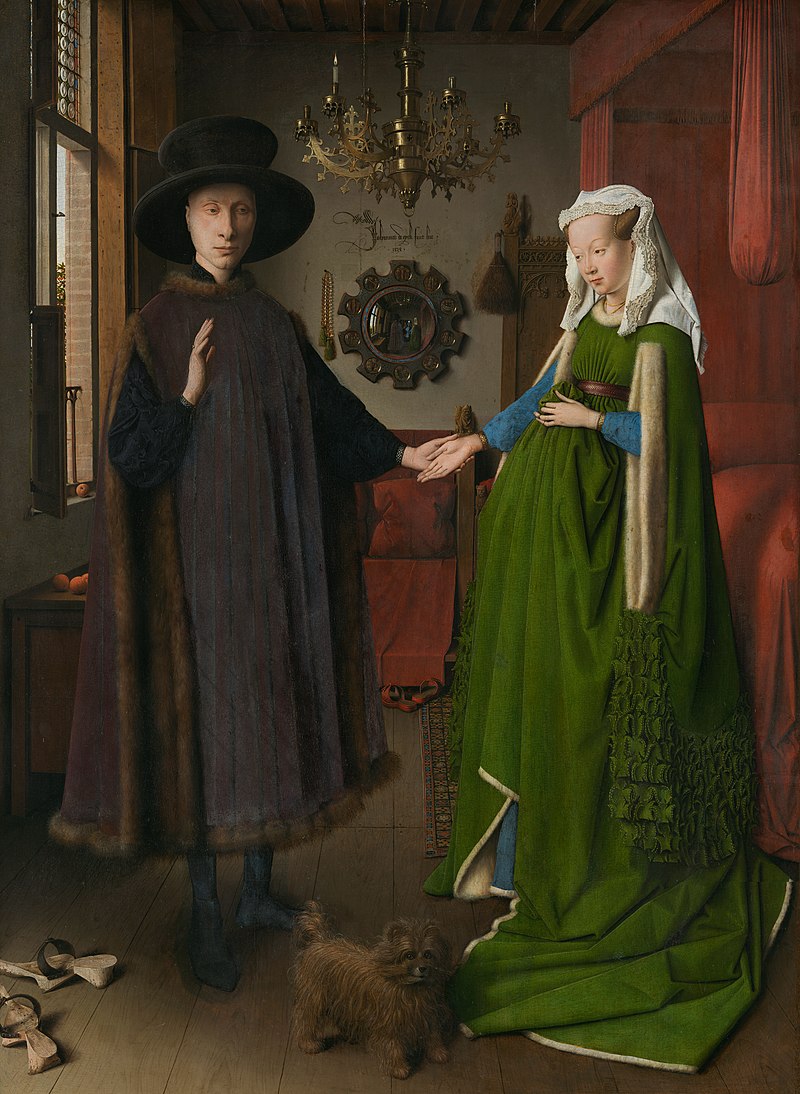
  • Van Eyck, The Arnolfini Portrait (Bruges, 1434)
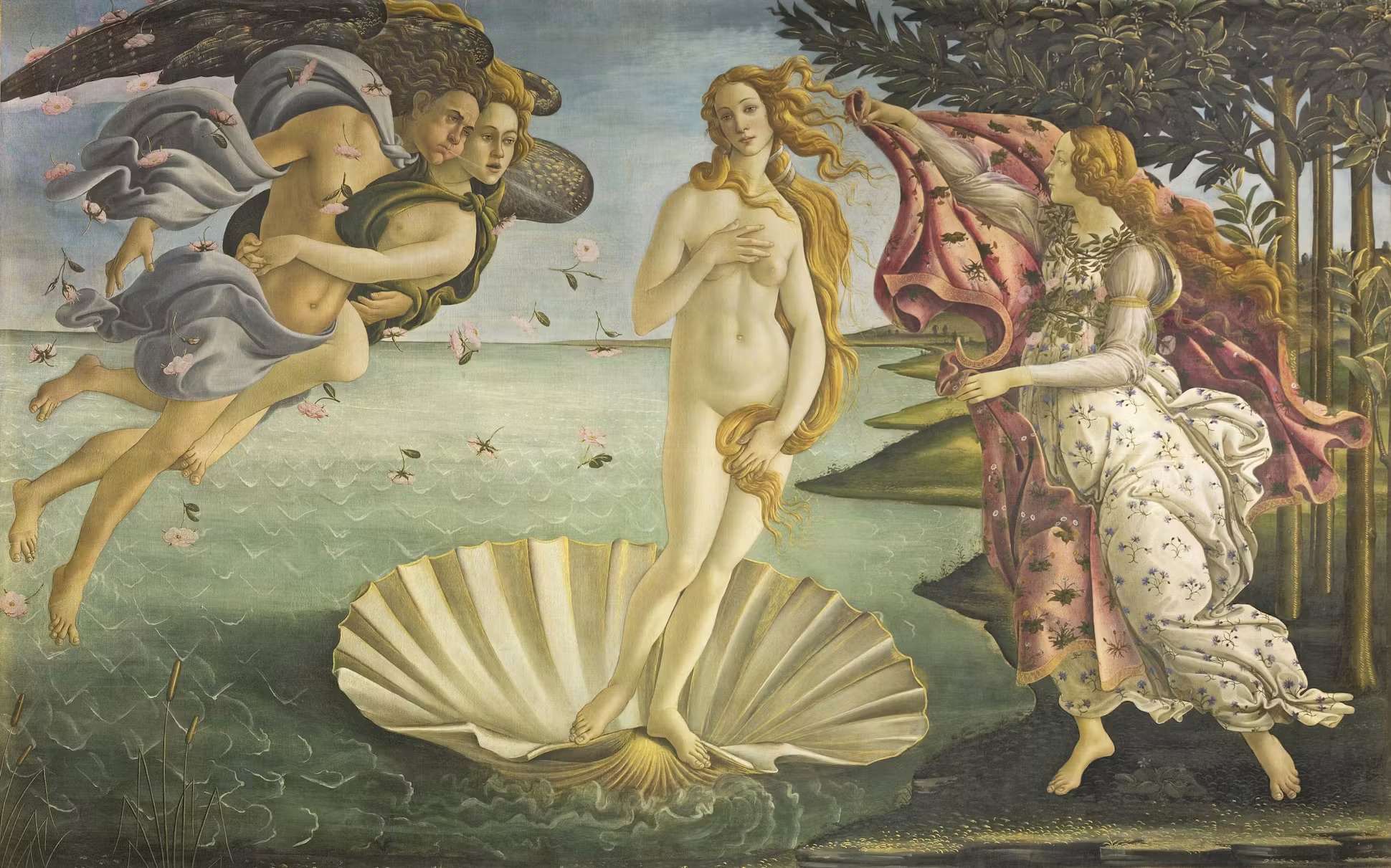
  • Botticelli, Birth of Venus (Florence, 1482)
  • Unknown, Spinario (Rome, 1st Cen BC)
  • Antico, Spinario (Mantua, c.1501)
  • Unknown, Laocoon (1st Cen BC)
  • Michelangelo, Pietà (Rome, 1499)
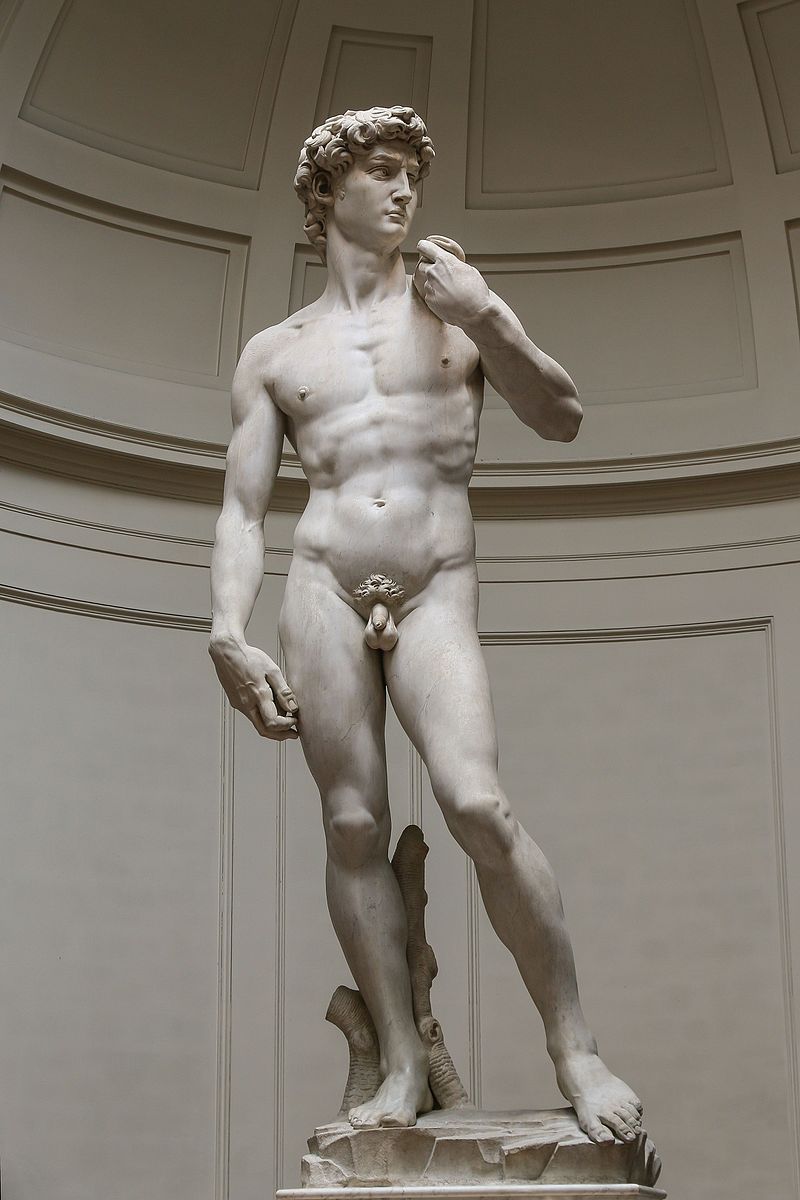
  • Michelangelo, David (Florence, 1499)
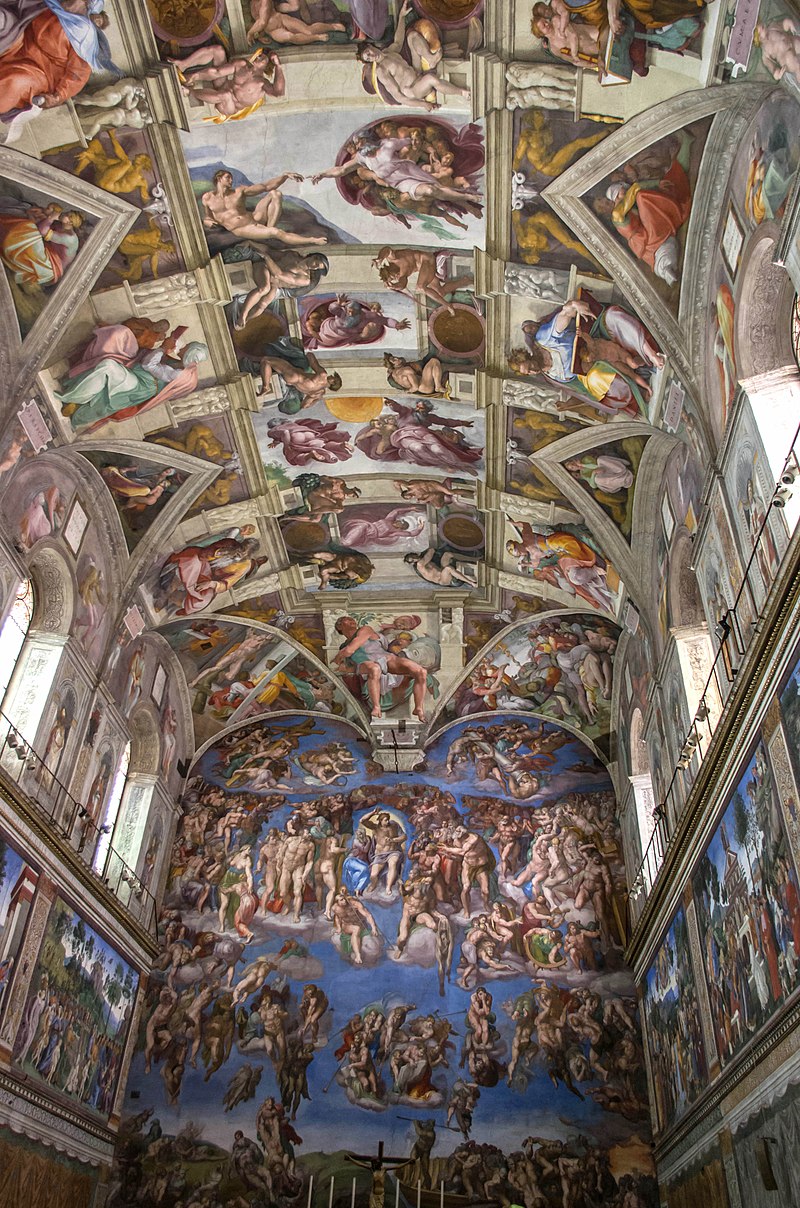
  • Michelangelo, Sistine Chapel ceiling (Rome, 1512) and Last Judgement (1541)
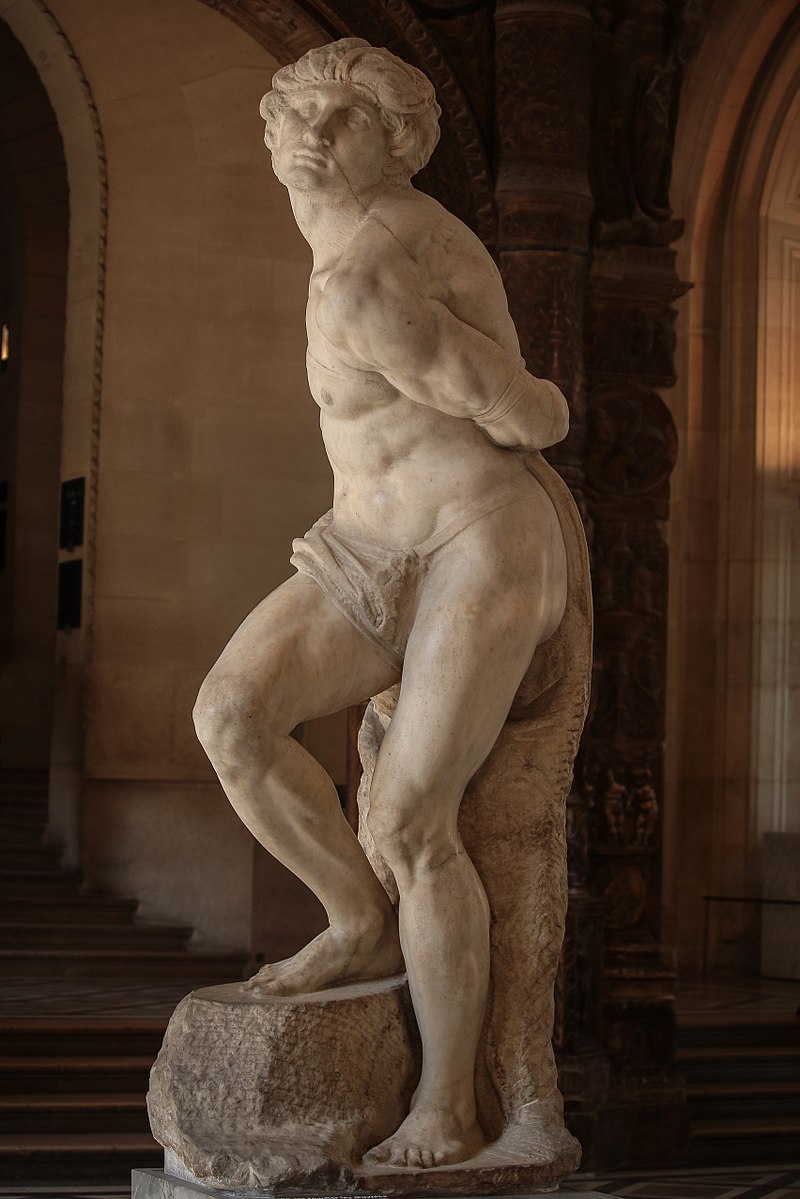
  • Michelangelo, The Rebellious Slave (Rome, 1513)
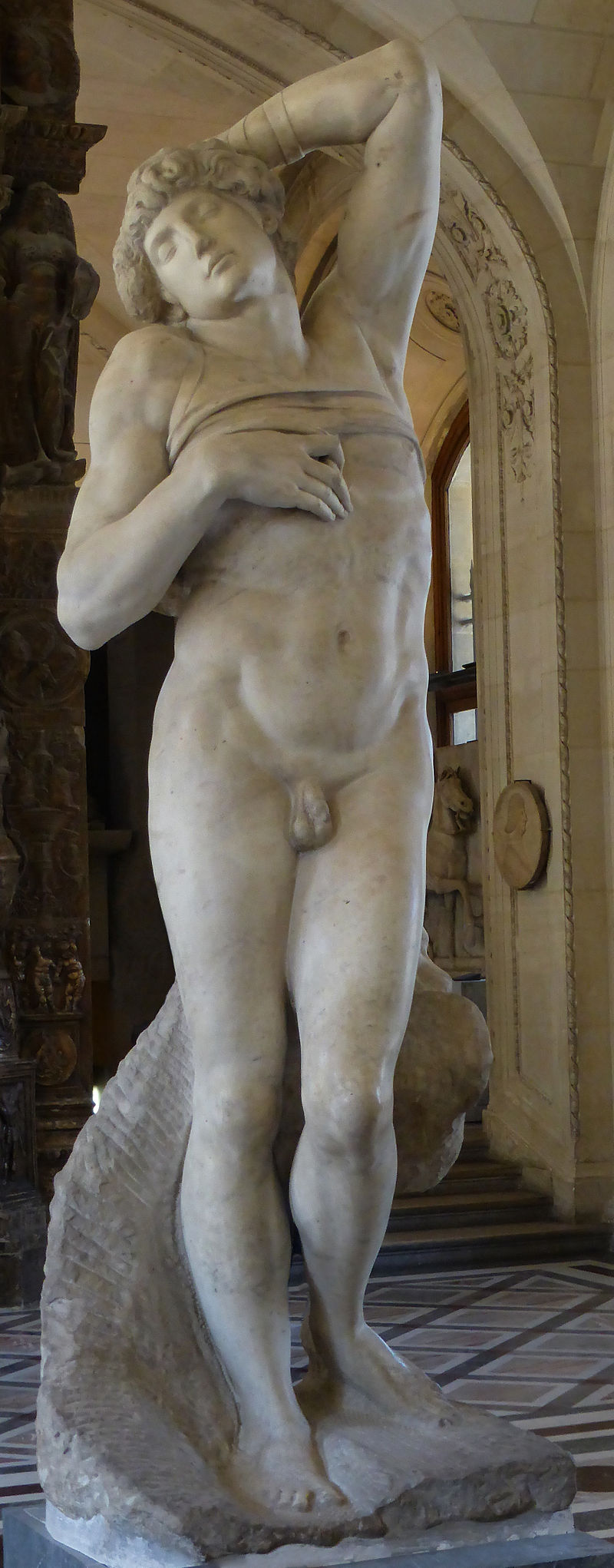
  • Michelangelo, The Dying Slave (Rome, 1516)
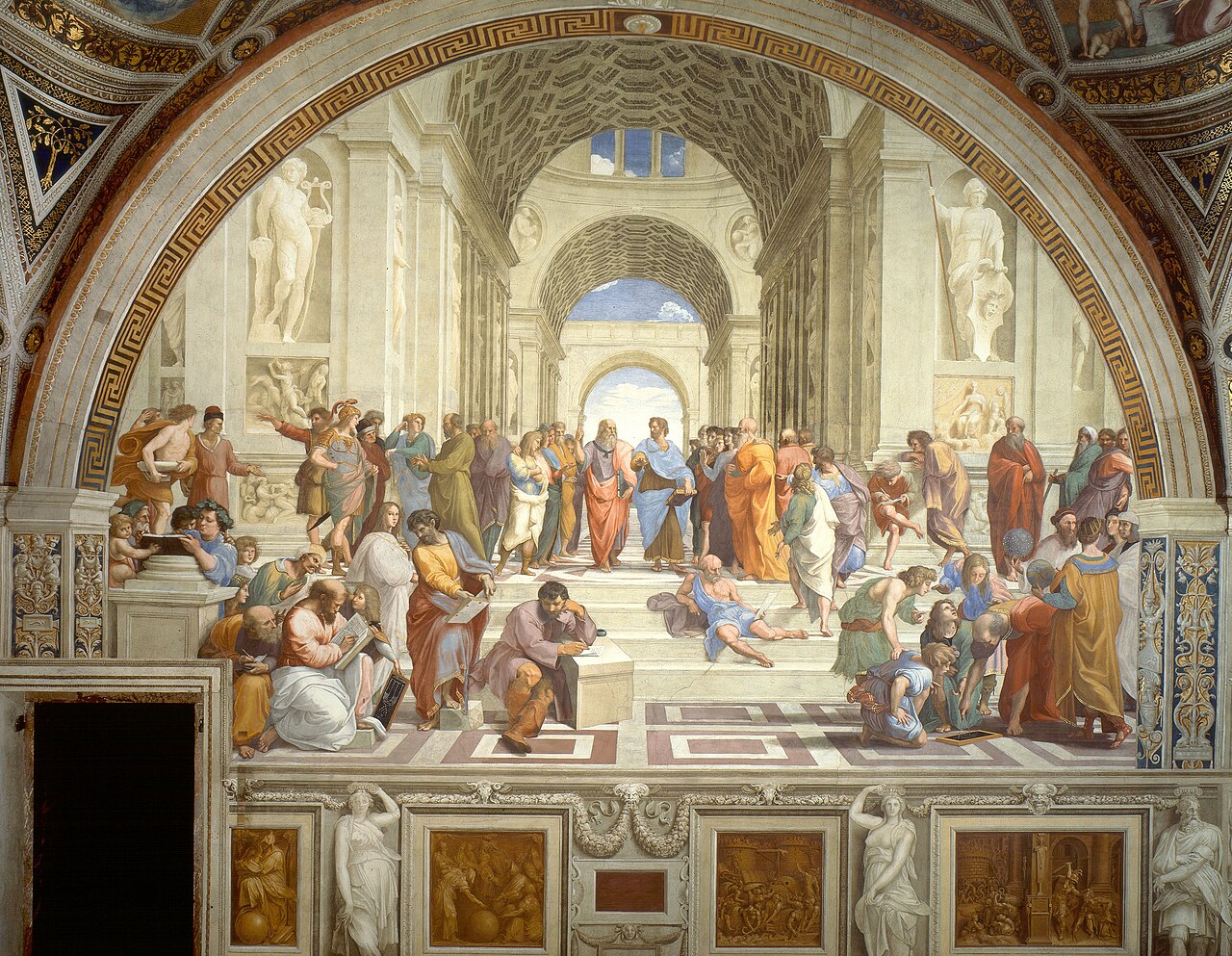
  • Raphael, The School of Athens (Rome, 1511)
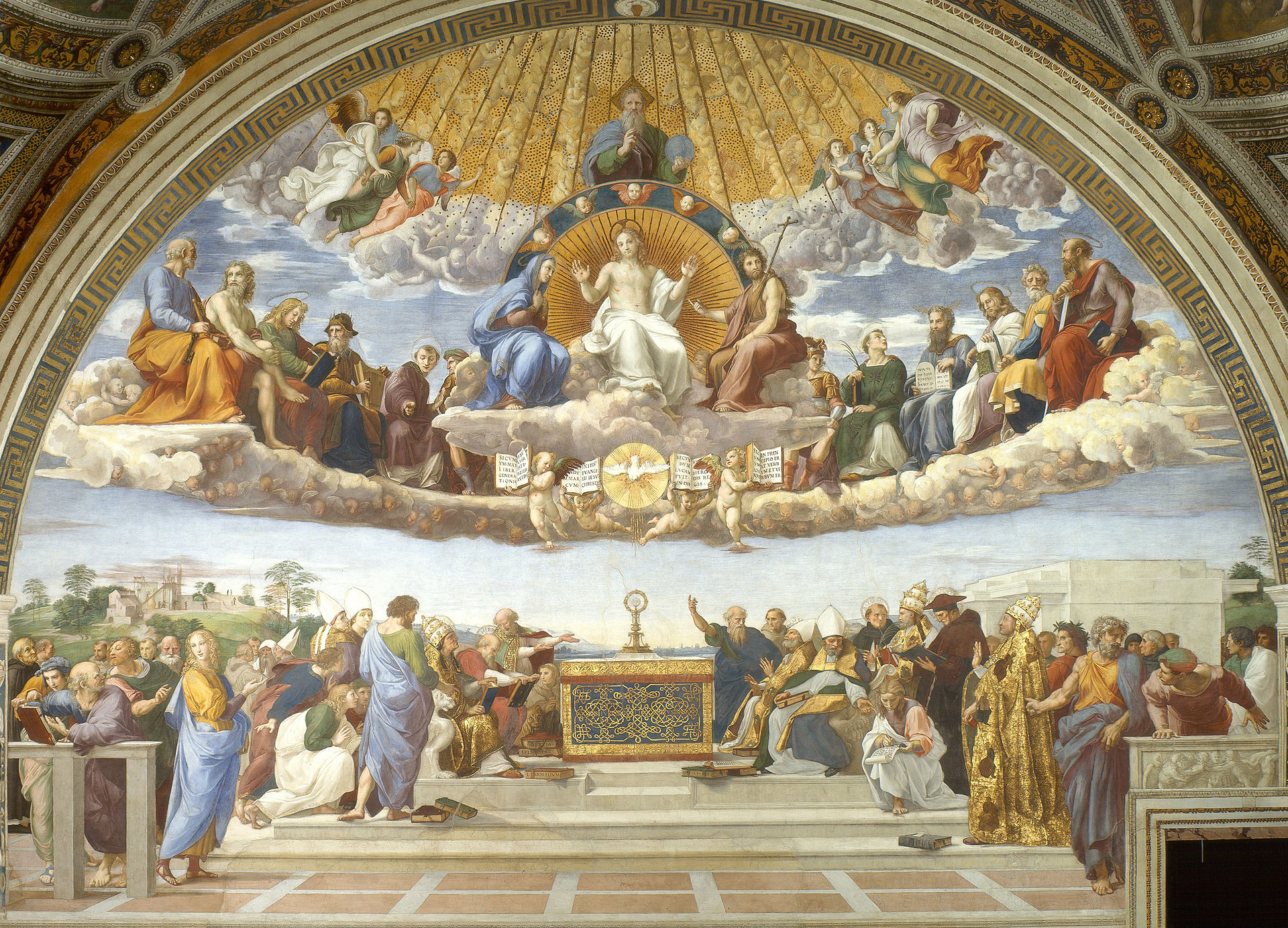
  • Raphael, The Disputation of the Sacrament (Rome, 1510)

Writing: Respond to ONE of the following prompts. Keep your response short, posting as a reply under the appropriate heading in the comments section:

  1. Focus our attention on a compelling detail from one of the artworks above, and comment on what makes it appealing.
  2. Based on your reading in Strickland or elsewhere, post the image of a Renaissance artwork and (briefly) make the case for why it should be included on today’s assignment.
  3. Given Grovier’s story of Michelangelo witnessing the discovery of the Laocoon, what trace of its influence can you find in his sculptures?

Class 9.2

The Politics of Rebellion

Reading: Shakespeare, The Tempest Acts 2-3. OR consider viewing a 2013 Globe production of the play, available for £10 here. (This is a purchase, not a rental, so you don’t just have a 48 hour window to watch it.)

Viewing: RSC exploration of the humor, drama and rhythms of The Tempest 2.2: link.

Writing: Respond to ONE of the following prompts, drawing from the material in Acts 1-3 (save the last two Acts for next class). Keep your response short, posting as a reply under the appropriate heading in the comments section:

  1. In lecture I suggested that you watch for moments that play upon kingship and other social orders as shared fictions. Quote such a moment and comment on the idealism, folly or cynicism of the enterprise.
  2. In lecture I also admonished you to watch for moments where theatrical performance is said to have a educative or moral function. Quote such a moment and comment on the idealism, folly or cynicism of the enterprise.
  3. Shakespeare can be weird. Call our attention to an oddity in need of explanation.

Class 9.1

The Sociology of Court Life

Viewing:
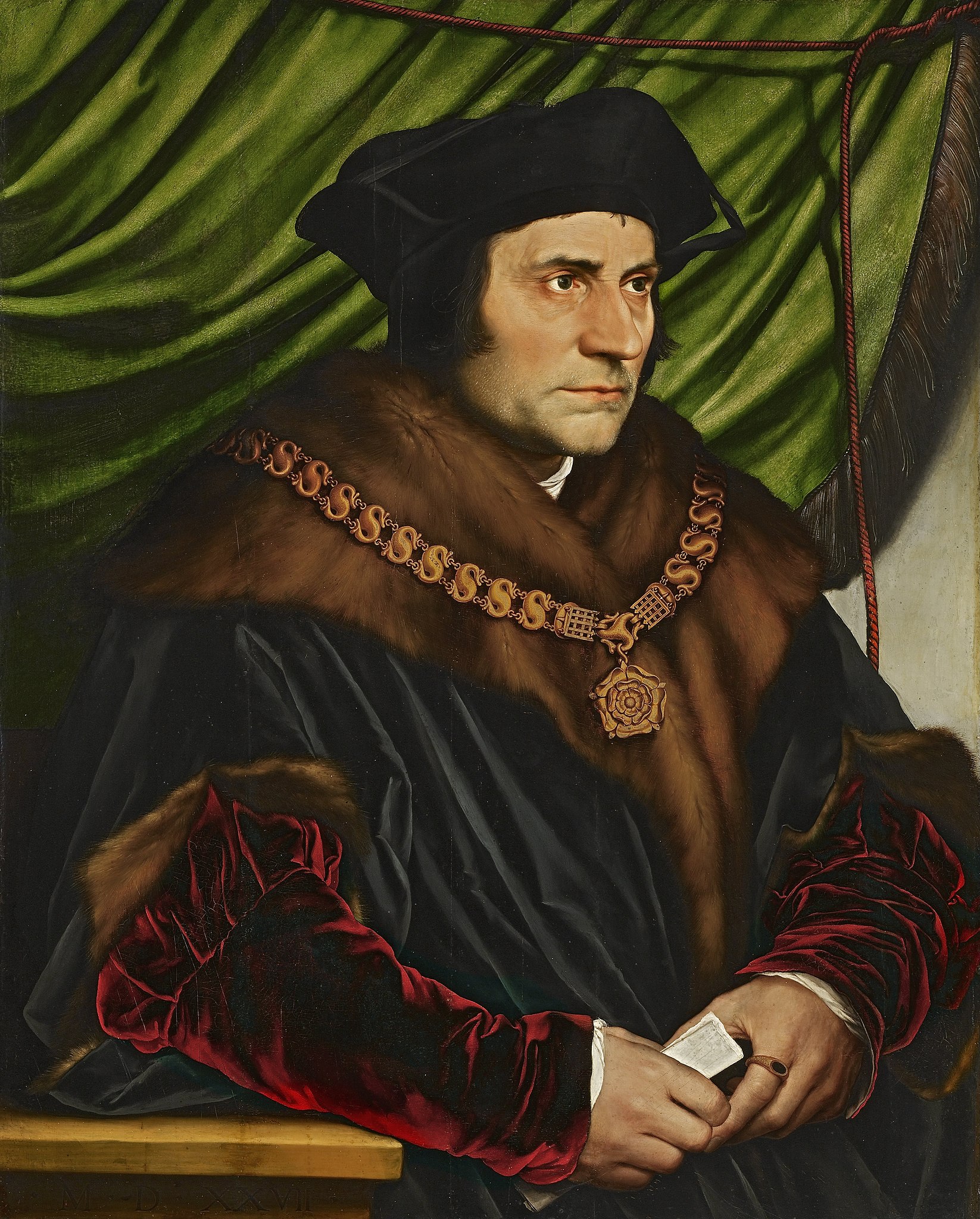
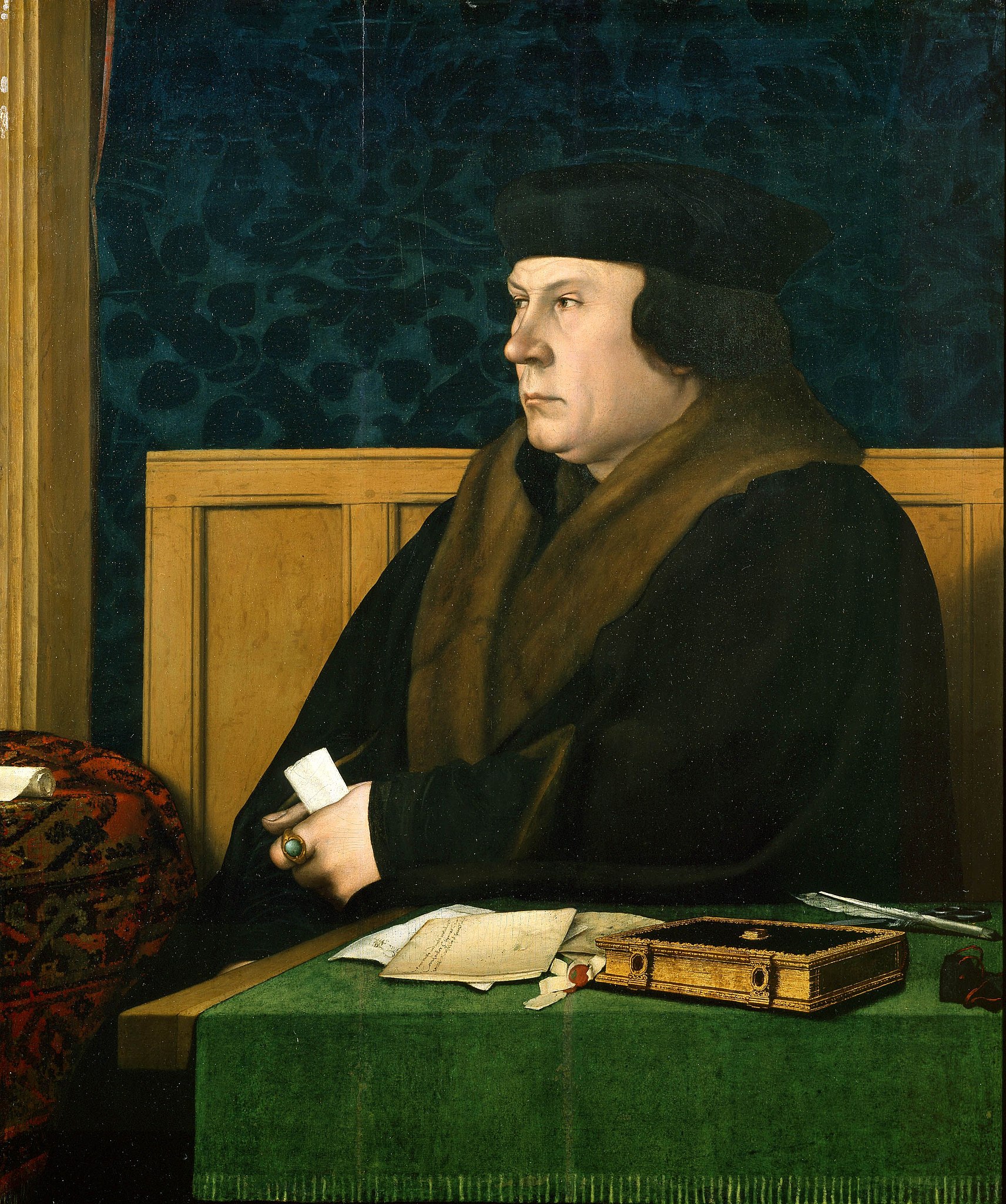
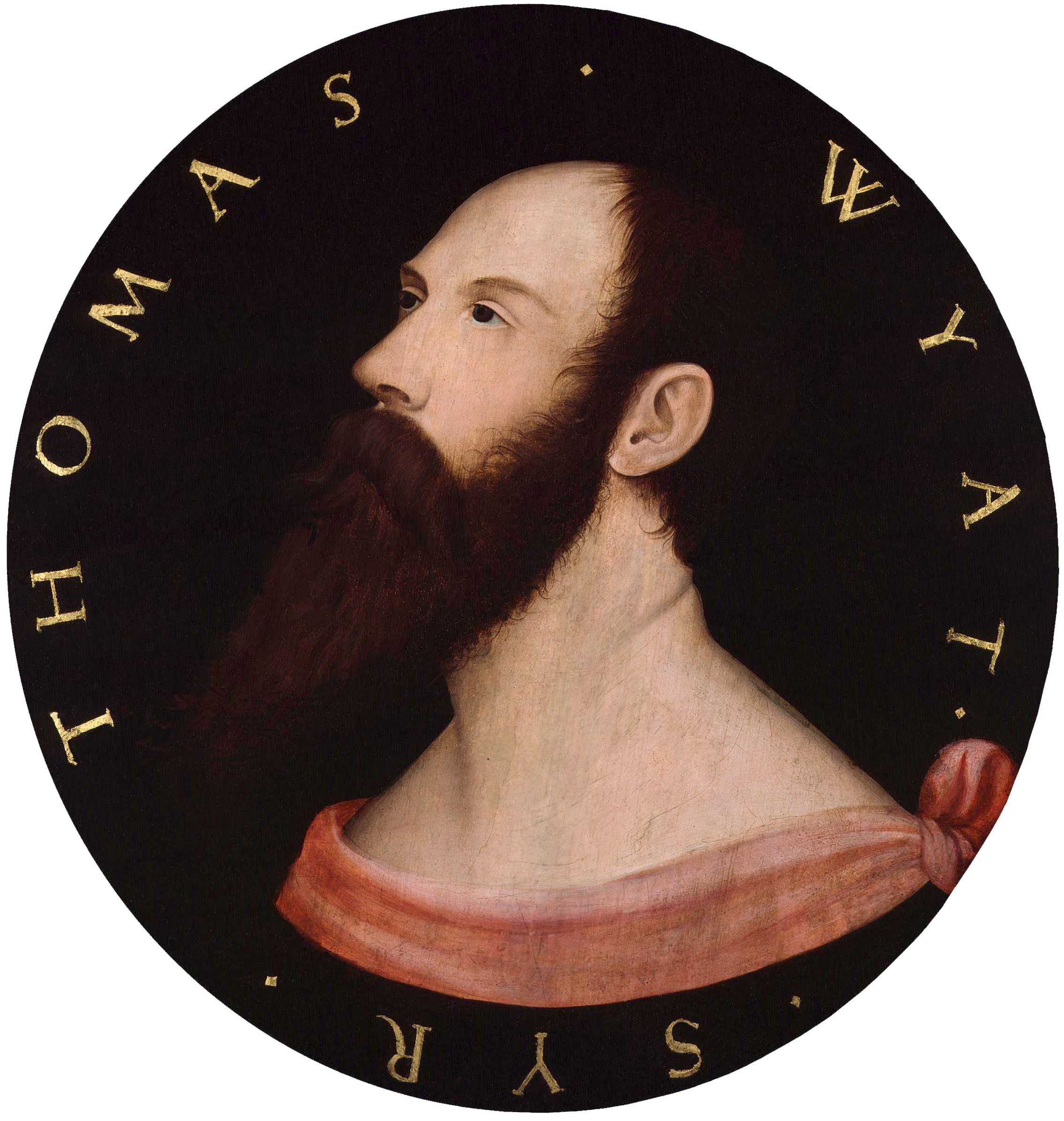
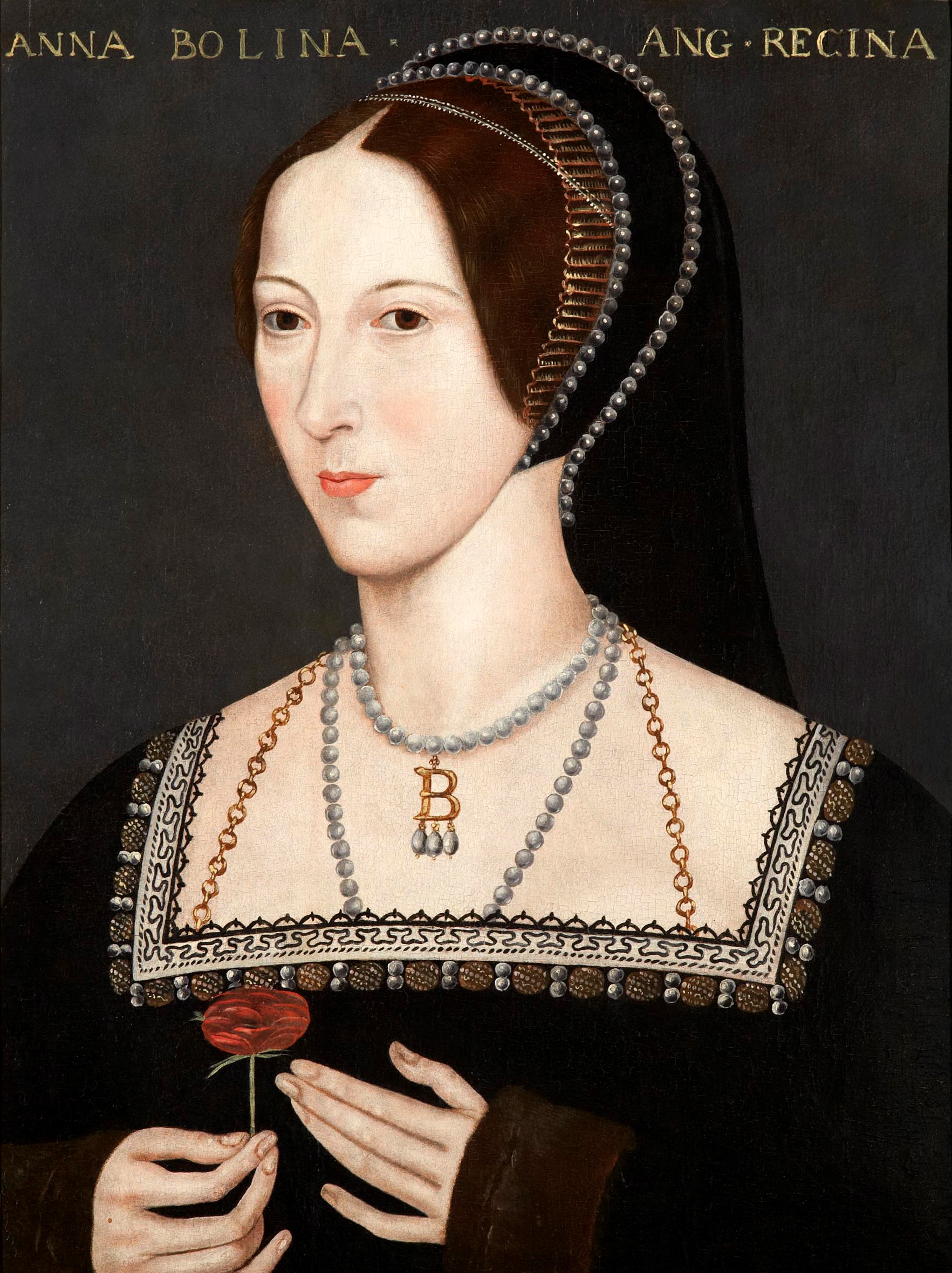
Portraits from the Court of Henry VIII

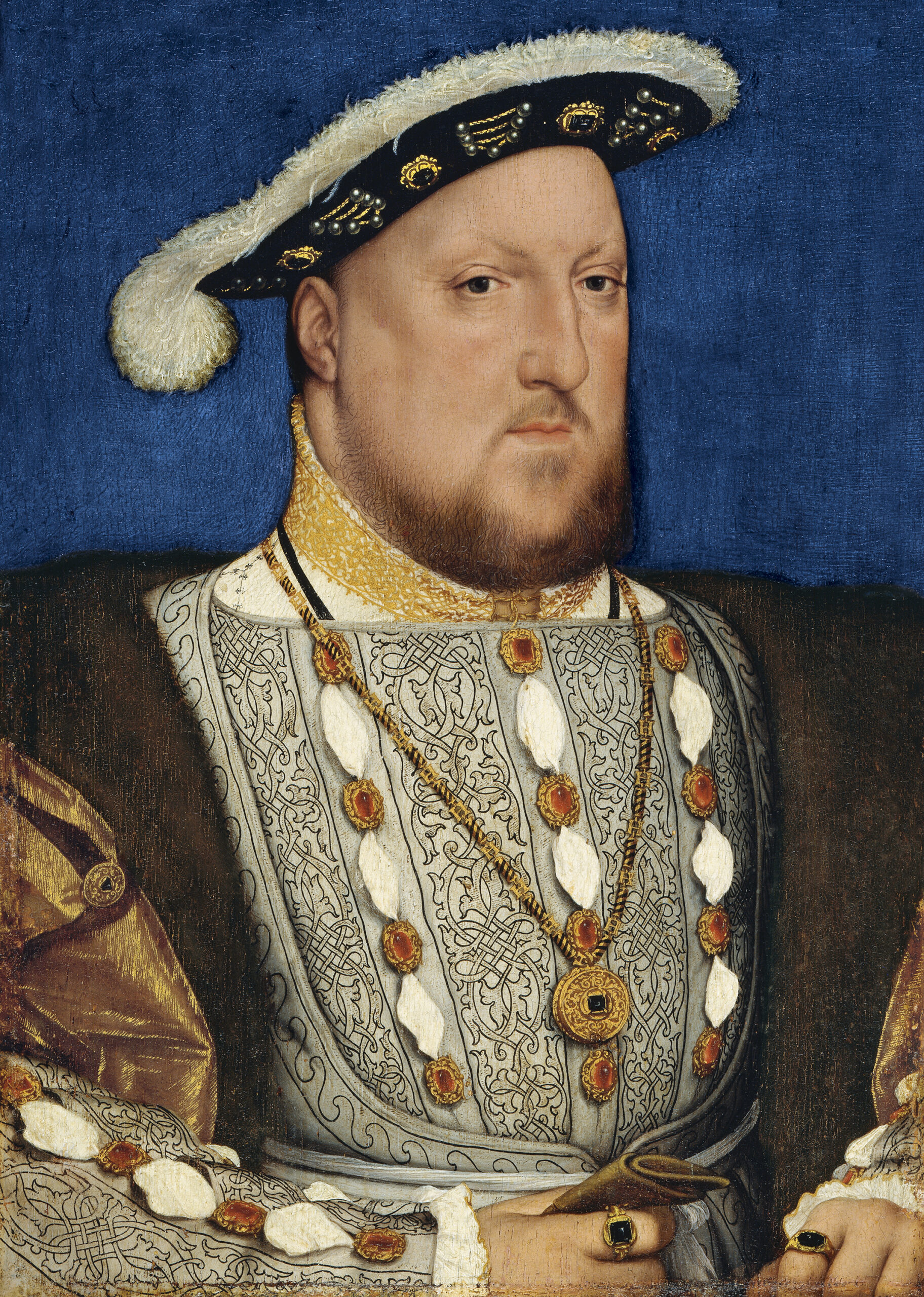
  • Hans Holbein the Younger, Henry VIII (c1534)
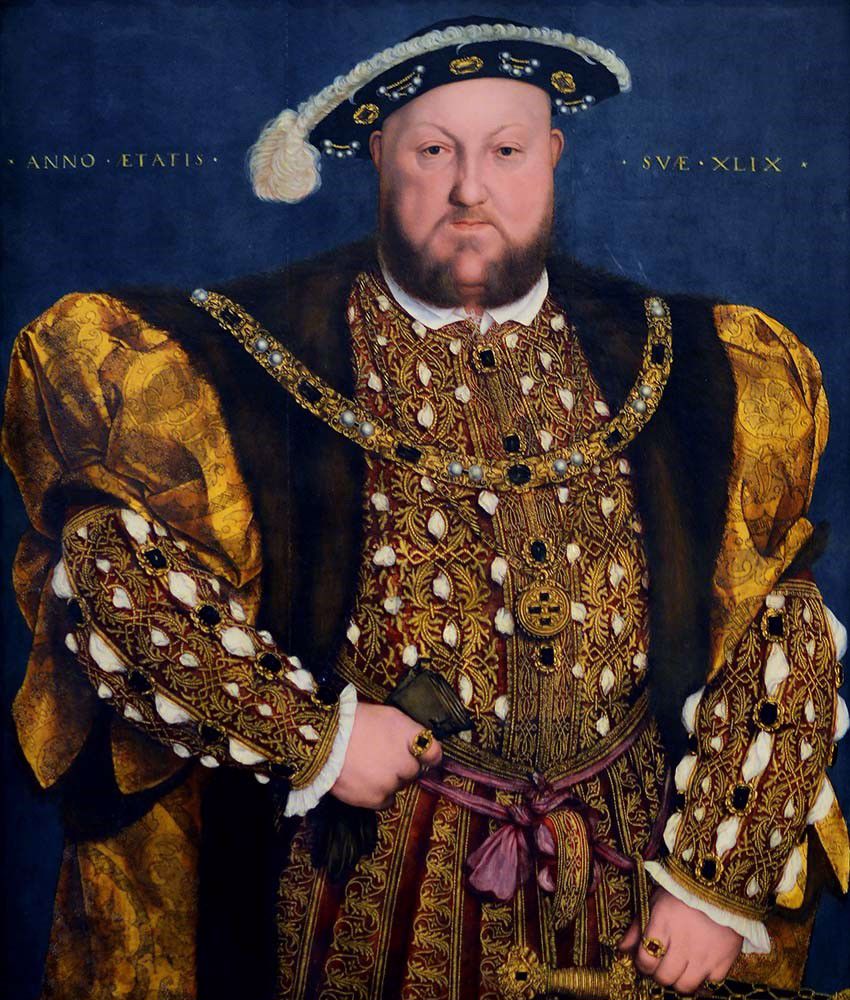
  • Hans Holbein the Younger, Henry VIII (1540)
  • Hans Holbein the Younger, Thomas More (1527)
  • Hans Holbein the Younger, Thomas Cromwell (c1532)
  • Unknown, after Hans Holbein the Younger, Sir Thomas Wyatt (c1540)
  • Unknown, 1550 copy of contemporary portrait, Anne Boleyn (c1534)
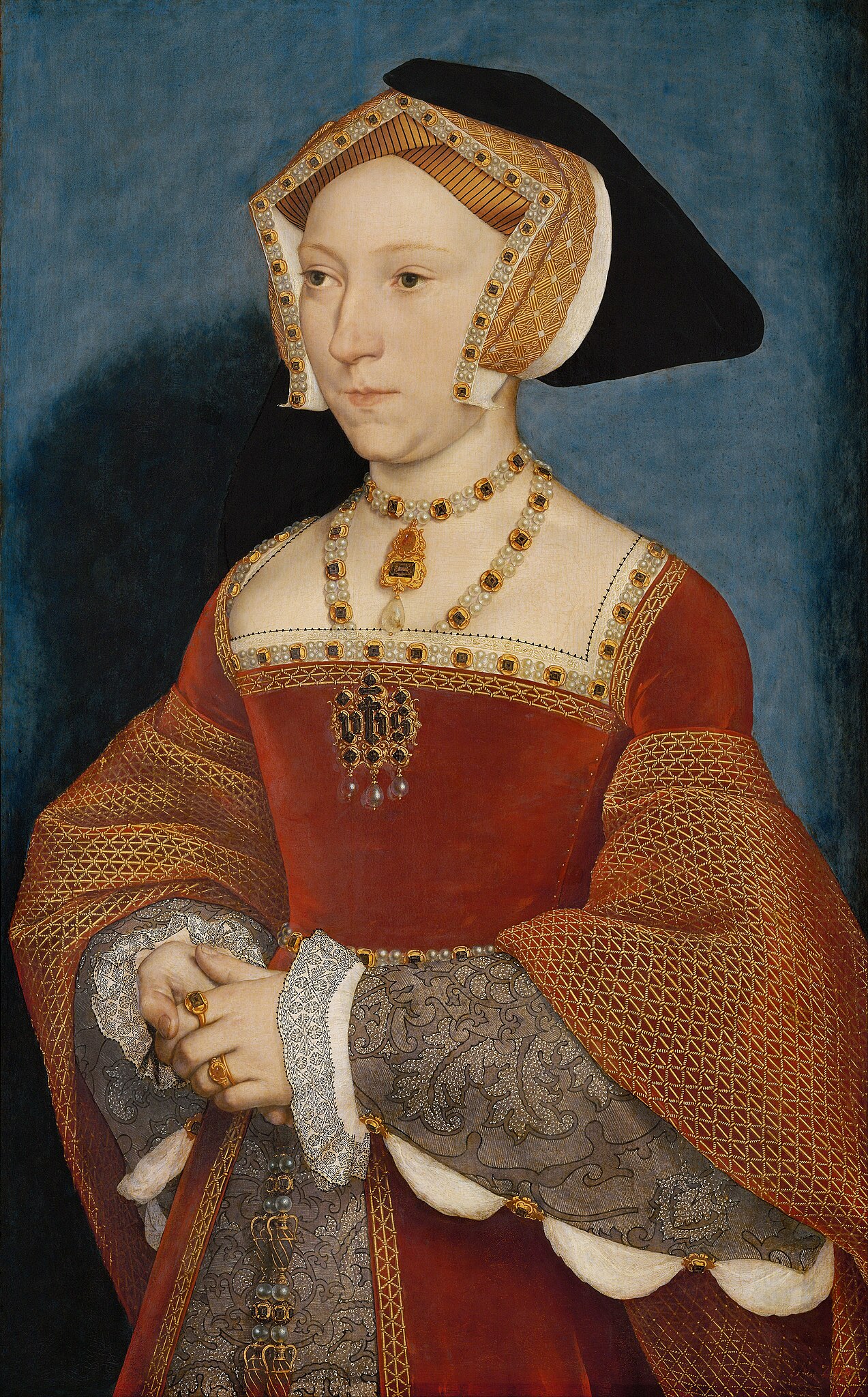
  • Hans Holbein the Younger, Jane Seymour, Queen of England (1536)
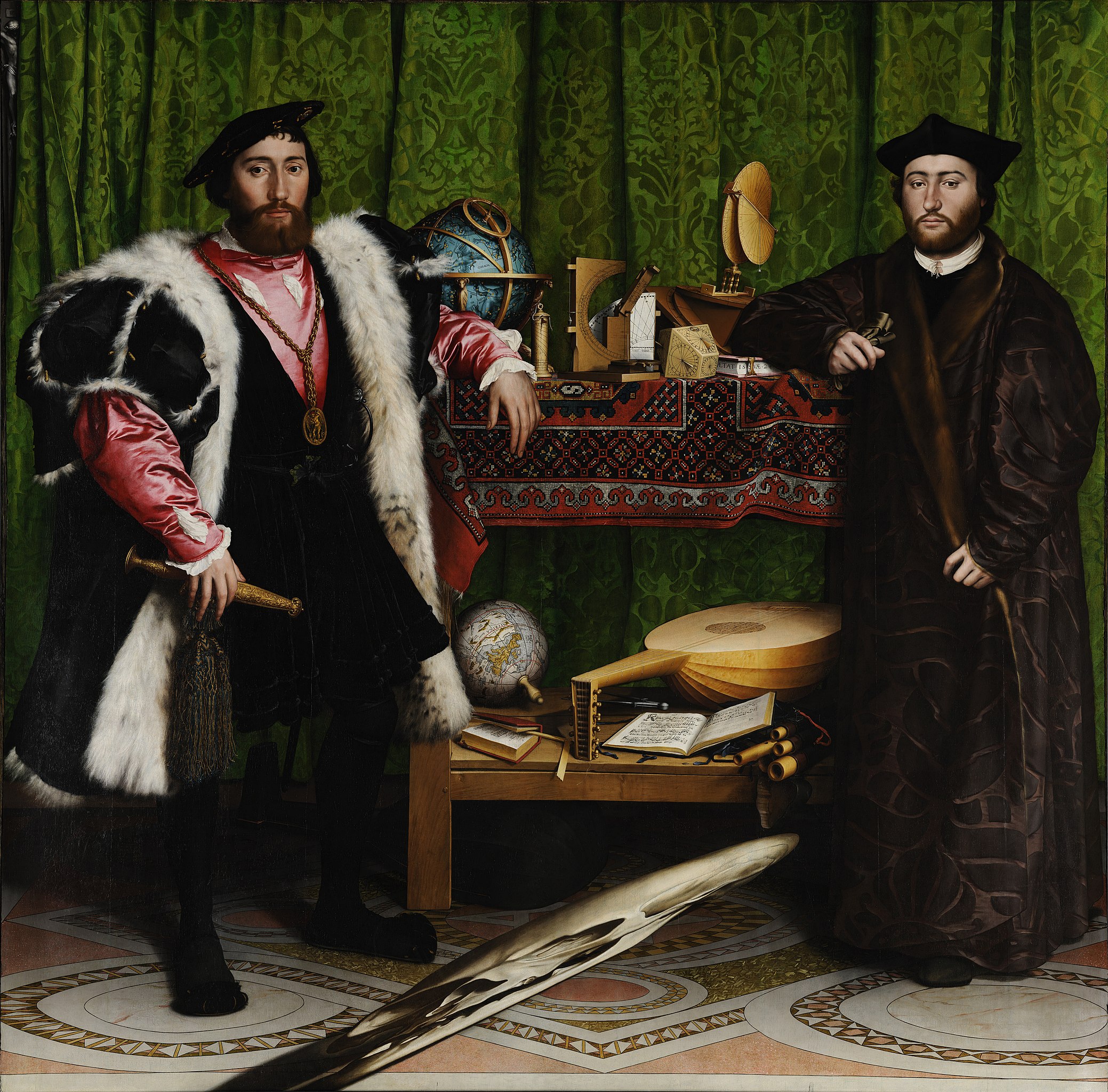
  • Hans Holbein the Younger, The Ambassadors (1533)

Reading:

Writing: Respond to ONE of the following prompts. Keep your response short, posting as a reply under the appropriate heading in the comments section:

  1. Wyatt’s and Raleigh’s poems each respond to an earlier work, by Petrarch and Marlowe respectively. Focusing on ONE of these two instances of literary influence, how would you characterize the later poet’s relationship to the earlier one? Try to find a strong word (for instance “reverential” rather than merely “imitative”) and point to specific language in the poems to justify your characterization.
  2. Considering the portraits, how does the king’s portrait differ from those of his courtiers—or those of his wives? In characterizing this pattern, point to specific details in the images.

Lecture 9

The Globe Theatre

The Globe was founded in 1599 by Shakespeare’s theatrical company, the Lord Chamberlain’s Men, about a decade in to his 25-year career as a playwright. Located on the south bank of the Thames River alongside houses of prostitution and bear-baiting, the building was readily accessible to city dwellers while remaining just outside the legal jurisdiction of the City’s devout middle-class civic leadership.

The Globe was rebuilt in 1997 in an effort to replicate the original theatrical experience, one quite different from the expectations of modern audiences. We’re used to sitting placidly while the actors do their thing up on stage—not really so different from watching a movie. But the Globe Theatre’s stage is thrust forward into a sea of spectators. Actors speak to the audience as much as to one another, often interacting in the manner of standup comics. To give you a sense of this, I’m assigning a few introductory videos alongside the play’s first act.

Viewing: a 9-minute discussion of the significance of the Globe’s physical design for Shakespeare’s plays, by Harvard professor Stephen Greenblatt: link.

Optional Viewing: if you want to really immerse yourself in the Elizabethan world of Shakespeare’s era, check out this 45-minute documentary originally released as a bonus feature accompanying the DVD for the 1998 Shakespeare in Love: link.

Reading: Shakespeare, The Tempest Act I. OR consider viewing a 2013 Globe production of the play, available for £10 here. (This is a purchase, not a rental, so you can watch it over the course of a week.)

Writing: Respond to the following prompt, keeping your response short:

  • We’re introduced to a host of characters in Act I. How does Shakepeare individuate them? Quote a line or phrase spoken by a character and comment on how those words serve to express social standing and/or personality.

Class 8.2

The Petrarchan Craze

Reading: Petrarch, the progenitor of the sonnet (pub. 1374):

Reading: selected poems of Sidney, Shakespeare, Donne, Behn:

Writing: Respond to ONE of the following prompts. Keep your response short, posting as a reply under the appropriate heading in the comments section:

  1. Several of these poems invite the beloved to join the poet somewhere. Quote a line where this happens, name the poet, and comment on the kind of place that’s imagined as conducive to love.
  2. Many of these poems praise or elevate the beloved. Quote a line where this happens, name the poet, and comment on the rhetorical strategy for praise.
  3. If you have a favorite love poem from this era that I failed to include on the list, introduce us to it and briefly explain why I should add it for next year.
  4. There are a host of lovely phrases in the reading today. Cite a short passage and comment on what makes it beautiful.

Class 8.1

Medieval Christian Romance

Reading: The Lais of Marie de France (Blackboard: Marie de France, Lais.pdf)

Viewing: The Unicorn Tapestries, link. (If you live or visit New York City, I recommend you see these in person at the Cloisters, an annex of the Metropolitan Museum of Art near the northern tip of Manhattan.)

Writing: Respond to ONE of the following prompts. Keep your response short, posting as a reply under the appropriate heading in the comments section:

  1. Aestheticizing violence: point out a moment from the works you read and viewed today where beauty is mixed with or in proximity to violence. If you can, give a 1-sentence paraphrase of what the artist/author seems to be saying about the relationship between violence and beauty—or possibly art.
  2. The wild and the civilized: point out a moment from the works you read and viewed today when something wild becomes tame—or something tame/civilized becomes wild. If you can, give a 1-sentence paraphrase of what the artist/author seems to be saying about the binary opposition between wilderness and civilization.
  3. Ovid exerted a tremendous influence on both art and literature in the Middle Ages. Point to a detail in either of today’s texts that offers evidence of this claim.